 English
 русский
 Français
 Español
 عربى
What is a Heavy Duty Flame Retardant PVC Tent?
It is a frame tent whose roof and walls are made from thick PVC coated polyester fabric with a flame retardant coating. It is built for large spans, long stays and exposed sites.

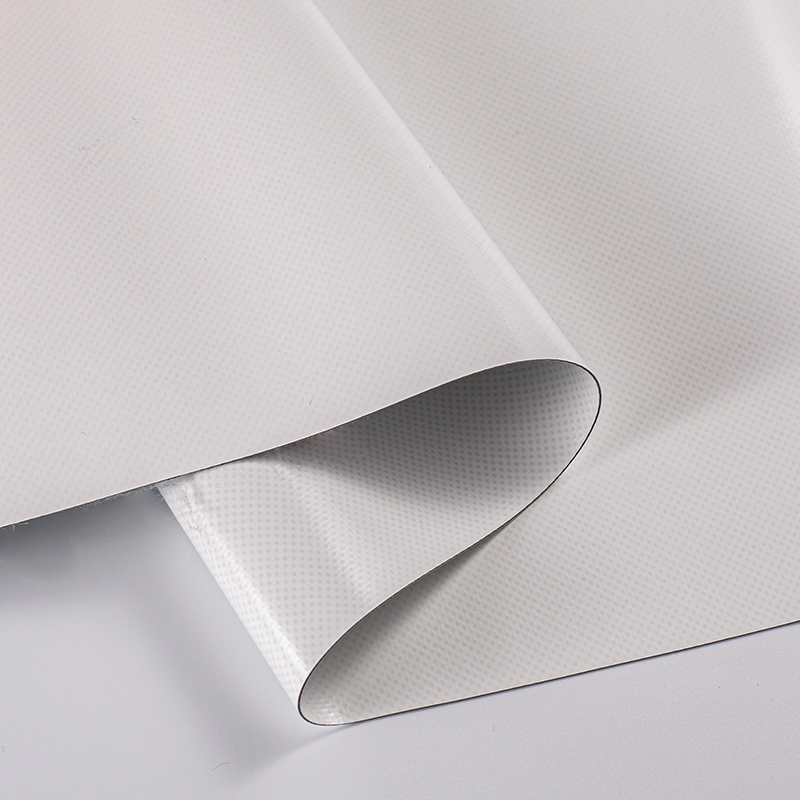
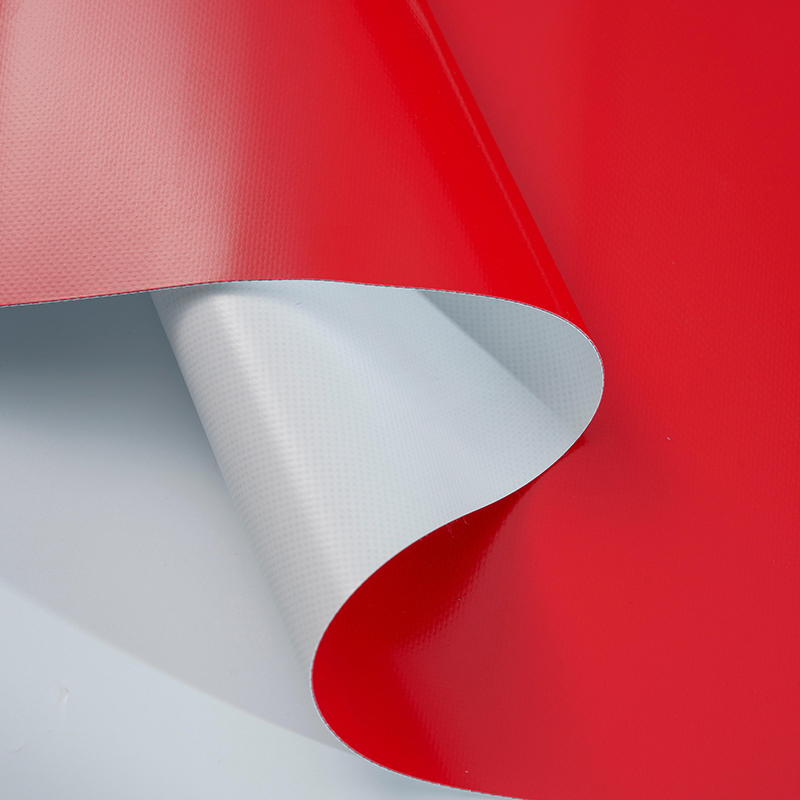
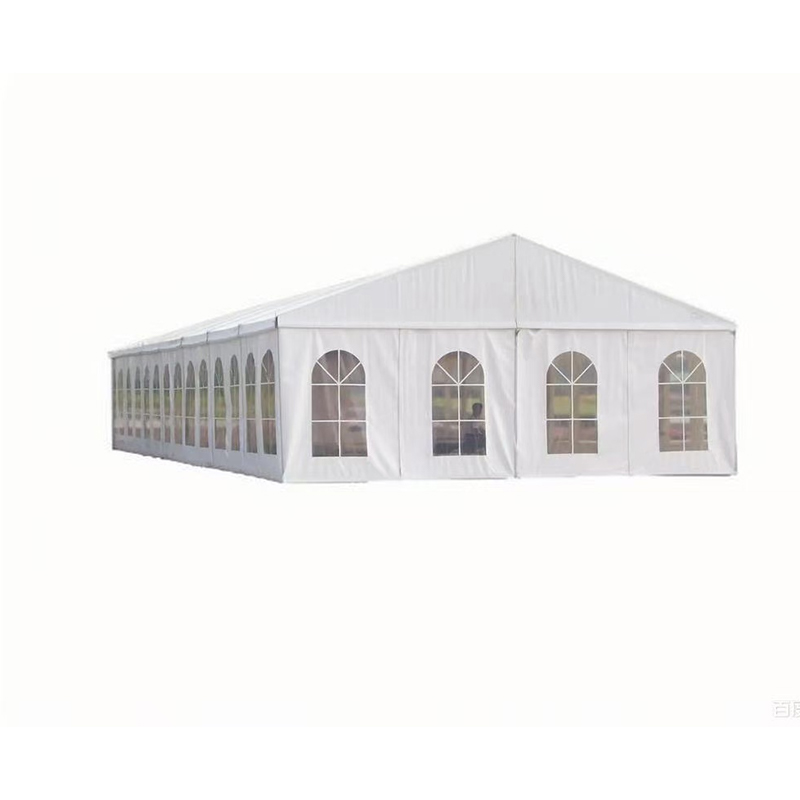
Product Overview
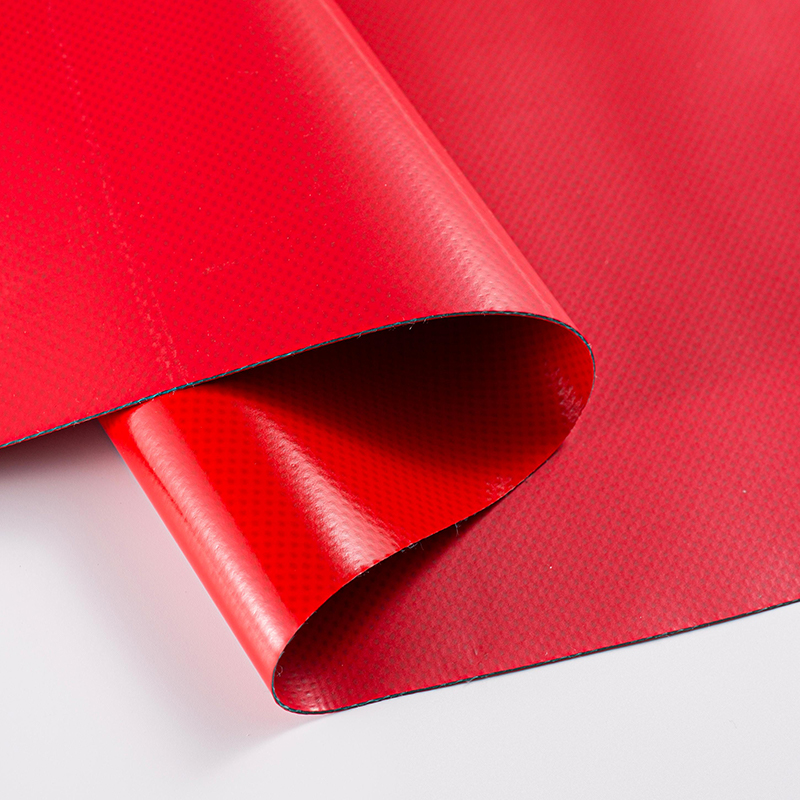
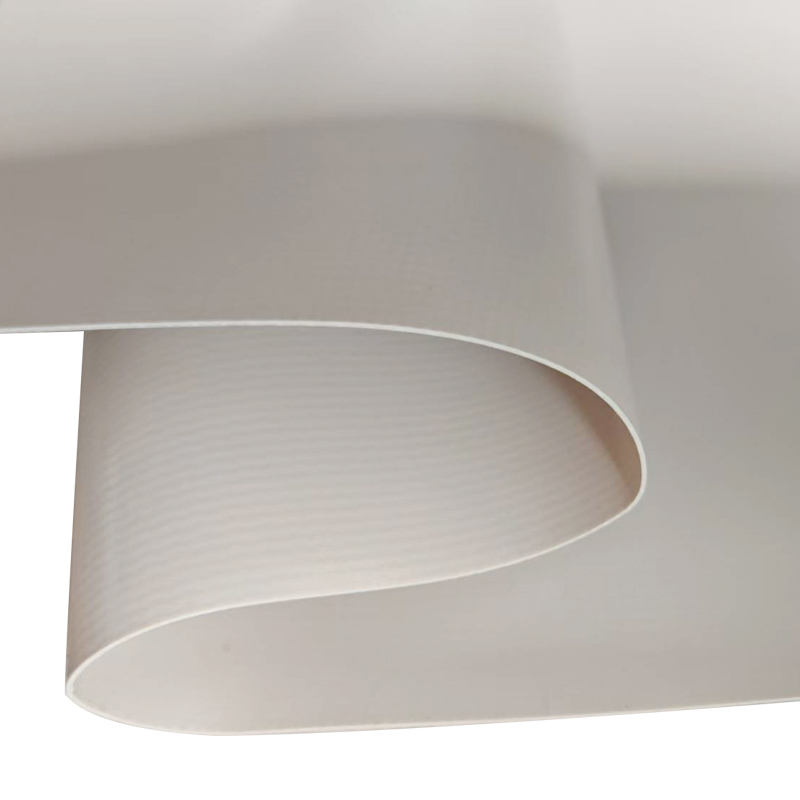
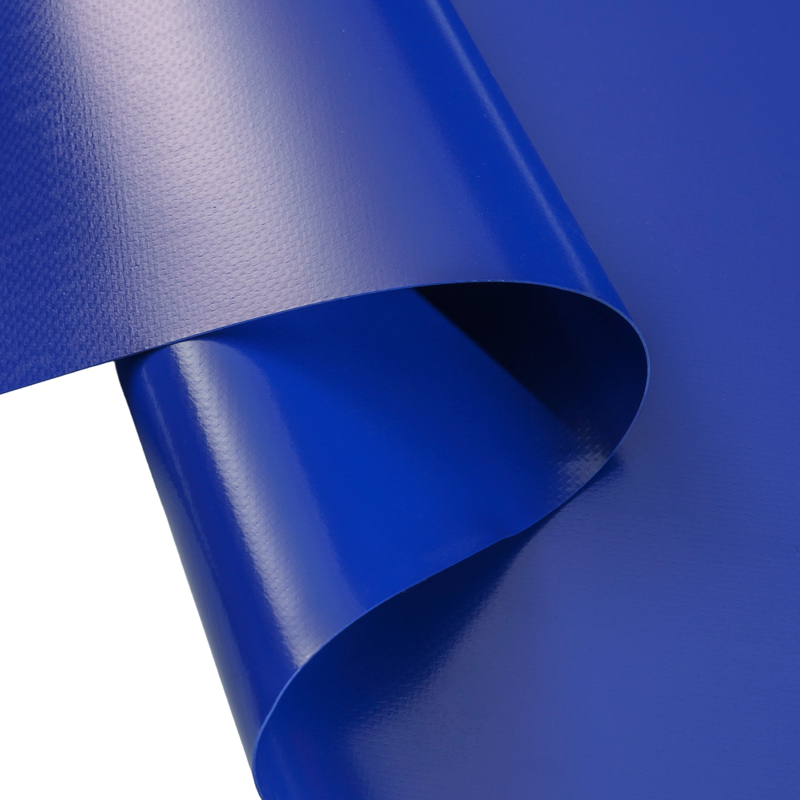
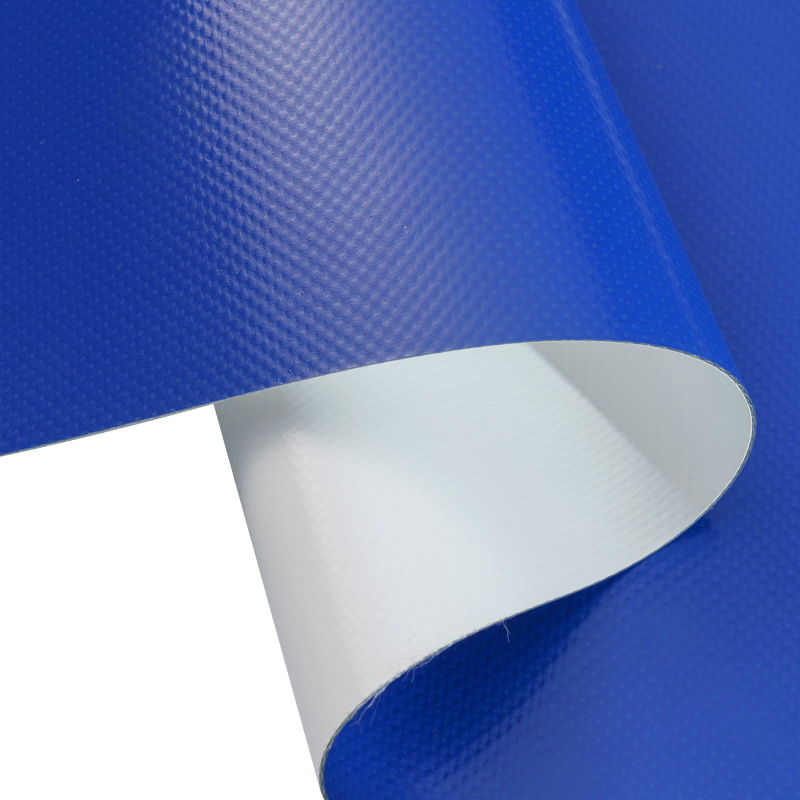
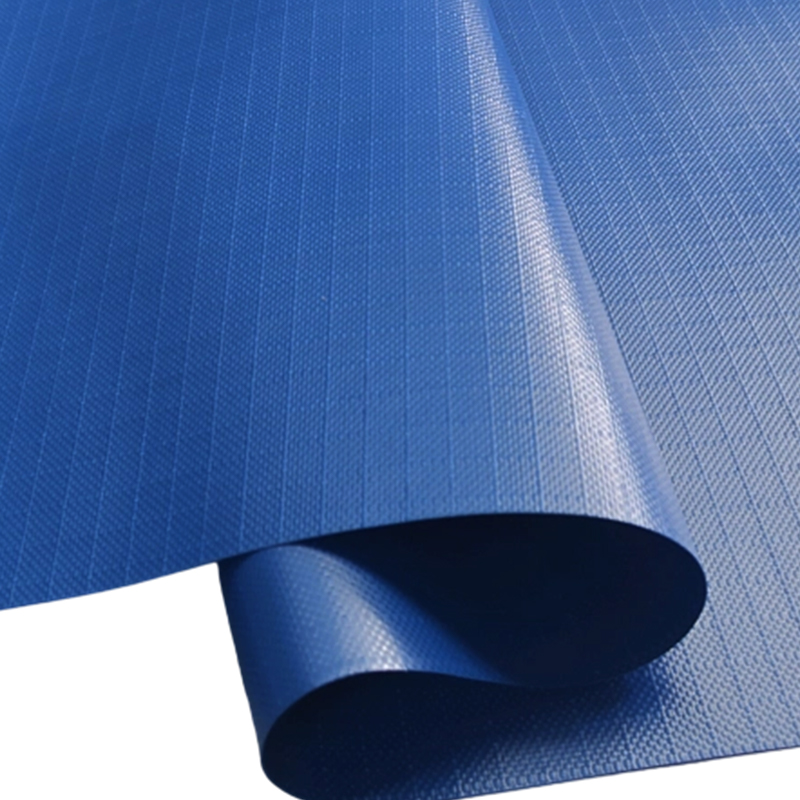
The Heavy Duty Flame Retardant PVC Tent is made of high-density polyester base fabric with double-sided PVC coating, providing excellent wear resistance, waterproofing, and flame-retardant performance. It is specially designed for high-strength outdoor use and industrial applications.
| Heavy Duty Flame Retardant PVC Tent | |||
| Test Items | Unit | Measured Value | Test Method |
| Support Cloth | -- | 100% Polyester | DIN 6000 |
| Type of Coating | -- | PVC coated on both sides | -- |
| Width | -- | UP TO 3.2m | ( DIN EN ISO 2286-1) |
| Total Weight | g/m2 | 750 | DIN EN ISO 2286-2 |
| Yarn | D | 1000 X 1000 | DIN EN ISO 2060 |
| Specification | inch(plain weave) | 23 X 23 | DIN EN 1049-2 |
| Tensile strength | N/5cm | Warp 3000 | DIN 53354 |
| Weft 2950 | |||
| Tear strength | N/5cm | Warp 310 | DIN 53356 |
| Weft 290 | |||
| Adhesion Strength | N/5cm | 110 | ASTM D 751-2000 |
| Lacquer | Acrylic or PVDF | ||
| Flame Retardant | B1,B2,NFPA-701 B-S2,do | ||
Product Features
Material: 100% polyester fabric, high-density weave, higher strength
Coating Type: Double-sided PVC coating, durable and waterproof
Fabric Width: Up to 3.2 meters, suitable for large-area coverage
Weight: 750 g/m², thick and sturdy
Mechanical Performance:
Tensile Strength: Warp 3000 N/5cm, Weft 2950 N/5cm
Tear Strength: Warp 310 N/5cm, Weft 290 N/5cm
Adhesion: 110 N/5cm
Coating Options: Acrylic or PVDF, customizable as needed
Flame Retardant Performance: Compliant with B1, B2 grades and NFPA-701 B-S2 standard
Applications
Suitable for heavy-duty outdoor tents, industrial sunshades, protective tarpaulins, emergency rescue facilities, and scenarios requiring high fire and water resistance.


PVC Inflatable Fabric, PVC Cover Material and PVC Mesh Fabric: A Practical Guide for B2B Buyers PVC inflatable fabric, PVC cover material and PVC mesh fabric share the same polyester-and-PVC foundation, but each is specified for a different job: airtightness and weld strength fo...
READ MOREArchitectural Membrane Fabric, PVC Tent Fabric and Truck Cover & Side Curtains Fabric: A Practical Selection Guide Architectural membrane fabric, PVC tent fabric and truck cover & side curtains fabric are all polyester base cloths coated with PVC, but each is tuned to a ...
READ MOREPVC Fabric Product Guide: How to Select the Right Material for Structures, Covers, Inflatables and Industrial Use A PVC fabric product performs reliably when four decisions are made in the right order: the base cloth construction, the coating weight, the topcoat finish, and the ...
READ MOREA Heavy Duty Flame Retardant PVC Tent is a frame supported shelter whose roof and sidewalls are cut and welded from thick PVC coated polyester fabric. The coating carries a flame retardant compound that slows flame spread, and the heavy scrim and coating build gives the panels more tear and load capacity than light event canopies. The tent is built to be set up many times, to stand in wind, and to hold its shape over long working seasons.
Heavy duty construction matters when a tent is large, when it stays up for months, or when it stands on an exposed site. Warehouse tents, industrial work shelters, long term storage cover and large event halls all fall into this group. In these cases the fabric faces wind pressure, repeated tension and frequent handling, so panel strength and seam quality decide the service life of the whole structure.
This guide describes how the tent works as a system, how it compares with light duty tents, how span and fabric weight relate, and how buyers can brief a tent factory.
The schematic shows a gable frame tent in front view with its main parts labeled. The roof panel sheds rain and covers the widest span, so it is cut from the heaviest fabric the design calls for. Sidewall panels hang between frame uprights and are often joined by welded seams, shown here as dashed lines. The steel frame forms the skeleton and carries fabric tension down to the ground. Guy ropes and anchors hold the structure against wind, and a door opening lets people and vehicles pass. Because fabric and frame work as one system, a heavy duty tent needs panels that match the strength of the frame they hang from.
The load path diagram follows wind and rain from the weather side down to the ground. Wind creates pressure on the windward wall and suction on the roof, and the fabric takes the first hit. The polyester scrim carries the tension, while the PVC coating keeps water out. Welded seams and hems pass that tension from panel to panel without a weak line. The frame receives the combined load and sends it to anchors and the ground. A weak link at any step, such as a thin seam or a loose anchor, limits what the whole tent can carry, which is why heavy duty tents specify panels, seams and anchors together.
PVC contains chlorine, which tends to limit flame spread, and added flame retardant compounds strengthen that tendency. The fabric is designed to resist spreading a flame once the heat source is removed. It is not fireproof, so tents should be kept clear of open flames, sparks and hot equipment, and the exact behavior of a given fabric should be checked by testing.
The rating chart below compares a light duty tent with a heavy duty tent on five practical properties. Each row has five dots, and more filled dots mean a stronger result.
The heavy duty tent fills most of the dots in the first three rows, which cover wind load, tear resistance and seam strength. These gains come from a stronger scrim, a thicker coating and wider welded seams. The light duty tent leads in ease of set up and portability, because lighter fabric and lighter frames are quicker to move and raise. A buyer should read the chart as a trade off rather than as a ranking, since each tent suits a different job. Heavy duty tents give up some portability to gain strength, which is a good exchange for long term or exposed sites. Exact figures should be confirmed with the tent factory and the fabric data sheet.
| Item | Light Duty Tent | Heavy Duty Tent |
|---|---|---|
| Fabric build | Lighter scrim, thinner coating | Strong scrim, thick coating |
| Frame | Light aluminum or steel | Heavier steel or aluminum profile |
| Seam method | Welded or sewn | Wide welded seams with reinforcement |
| Typical stay | Short events | Long seasons or semi-permanent |
| Typical use | Stalls, small canopies | Warehouse tents, work shelters, large halls |
The scatter chart plots four tent projects by span and by the fabric weight class usually chosen for them. The green band marks the common match between the two, rising from light fabric on small tents to heavy fabric on large ones. A market stall sits at the lower left, where a light class serves well and handling matters most. An event tent sits in the middle of the band and fits a medium class. Warehouse tents and large span halls move to the upper right, where wider panels carry more load and call for the heavy class. A project that falls well below the band may risk tearing or sagging, while one far above it may carry weight it does not need. The chart is a first guide, and the tent factory should confirm the choice against wind exposure and frame design.
| Type | Structure Note | Characteristics | Typical Use |
|---|---|---|---|
| Gable frame tent | Pitched roof on uprights | Simple form, good rain drainage | Storage and work shelters |
| Clear span tent | Arched frame, no center poles | Open interior space | Warehouse tents, event halls |
| Marquee with sidewalls | Roof with removable walls | Flexible open or closed layout | Hospitality and exhibition |
| Industrial storage tent | Heavy frame, anchored base | Long stay, high load capacity | Seasonal stock, equipment cover |
Heavy duty flame retardant PVC tents appear wherever a large covered area is needed without a permanent building.
A clear brief helps a tent factory quote and build the right structure. The checklist below covers the details most often needed.
A tent is only as consistent as the fabric it is cut from. Anhui Kingtex Material Technology Co., Ltd. works as a China PVC fabric waterproof manufacturer and stretch PVC fabric factory. Its range covers architectural membranes, PVC tarpaulins, PVC inflatable fabrics, mesh fabrics, biogas membranes, knife-coated fabrics, disaster prevention nets and intelligent luminescent materials.
The company operates PVC cold lamination, hot lamination and coating equipment, together with a full set of testing instruments and a dedicated R&D team. Buyers comparing a Heavy Duty Flame Retardant PVC Tent Factory or a tent maker can use this fabric base to discuss weight class, flame retardant formulation, color and roll width in the same conversation. Customers from all sectors are welcome to visit the facility for tours and business talks.
Careful set up and routine care keep the fabric, seams and frame working together over many seasons.
It is a frame tent whose roof and walls are made from thick PVC coated polyester fabric with a flame retardant coating. It is built for large spans, long stays and exposed sites.
No. The coating is designed to slow flame spread, but strong or sustained heat can still damage the fabric. Keep tents away from open flames and hot equipment.
Heavy duty fabric uses a stronger scrim and a thicker coating, which raises tear and load capacity. The trade off is extra weight when folding and carrying.
Useful details include tent size, span, side height, site wind exposure, length of stay, fabric weight class, color, doors and windows, and any logo print.
Heavy duty tents are built for long stays when frames, anchors and fabric are matched to the site. Regular inspection after storms helps keep the structure in good condition.
Wash with mild detergent and water, rinse well, dry completely, and fold loosely in a dry place away from sharp objects and oils.

We warmly welcome customers from home and abroad to visit our factory, negotiate cooperation, and create a bright future together.
Copyright ©Anhui Kingtex Material Technology Co, Ltd. All Rights Reserved. Wholesale Heavy Duty Flame Retardant PVC Tent Factory
