 English
 русский
 Français
 Español
 عربى
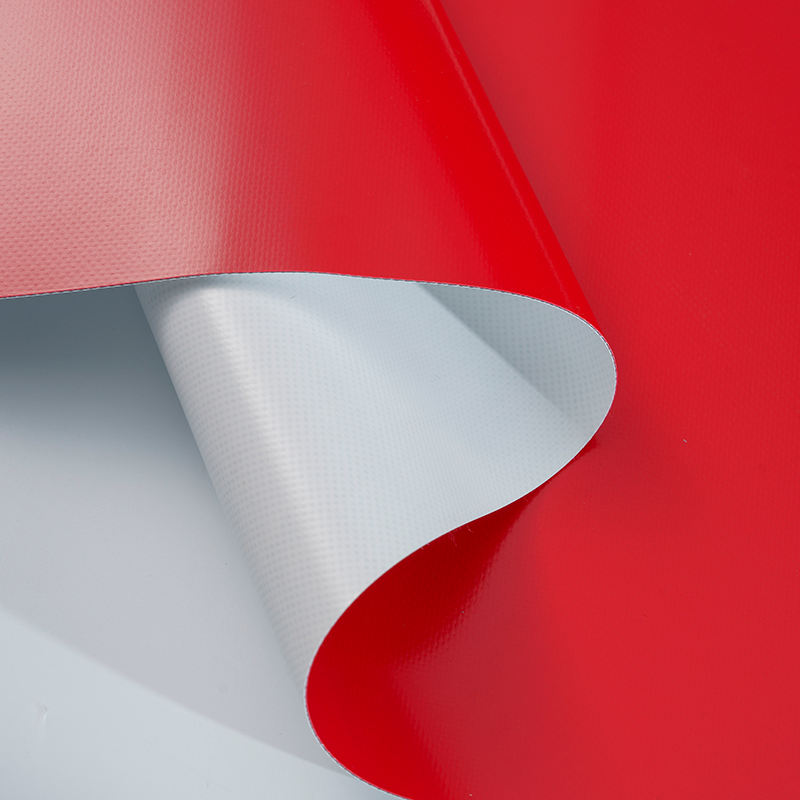
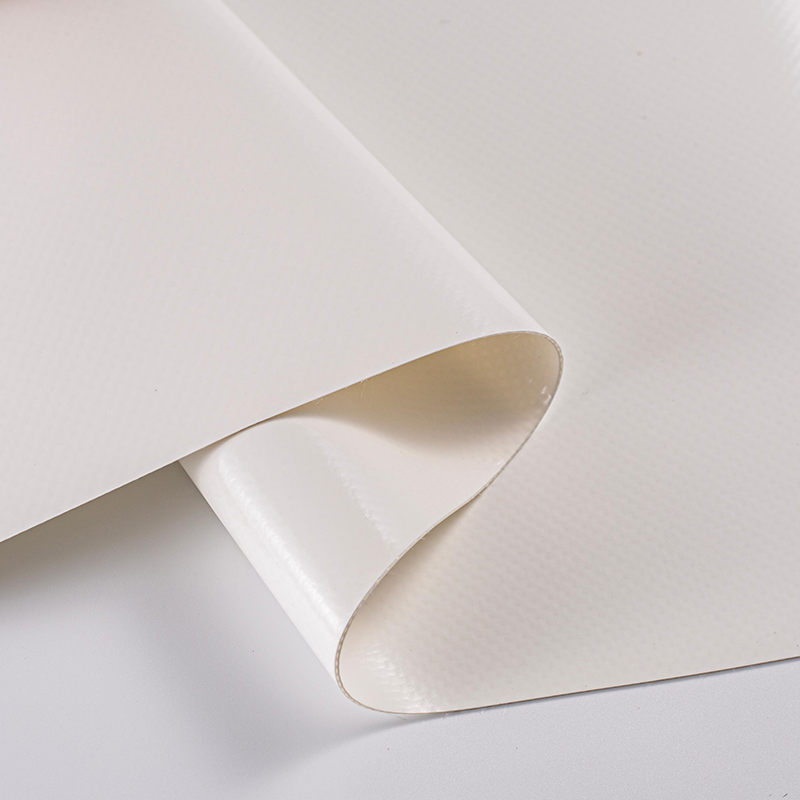
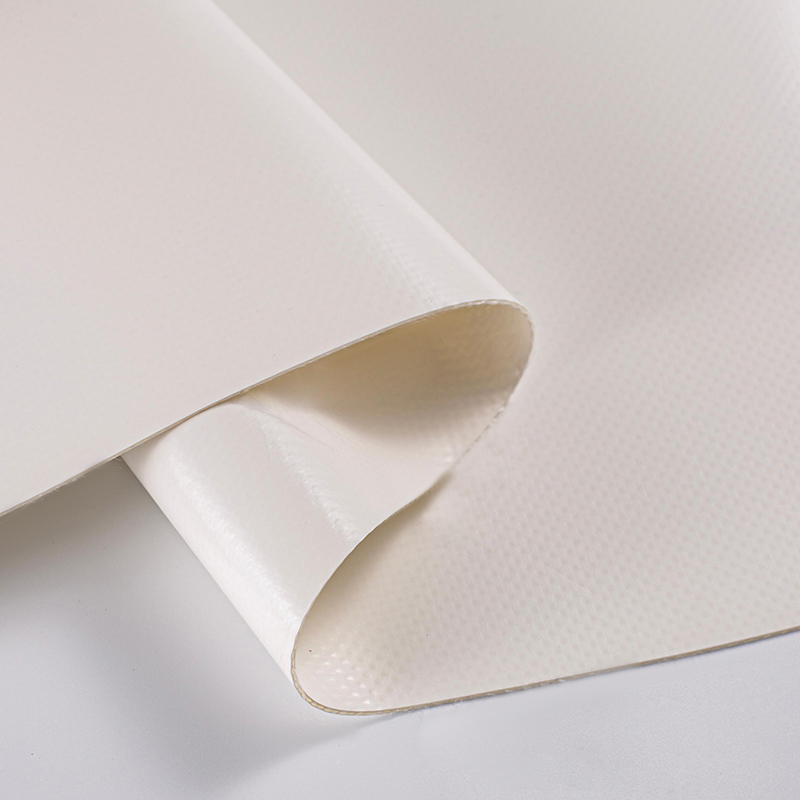
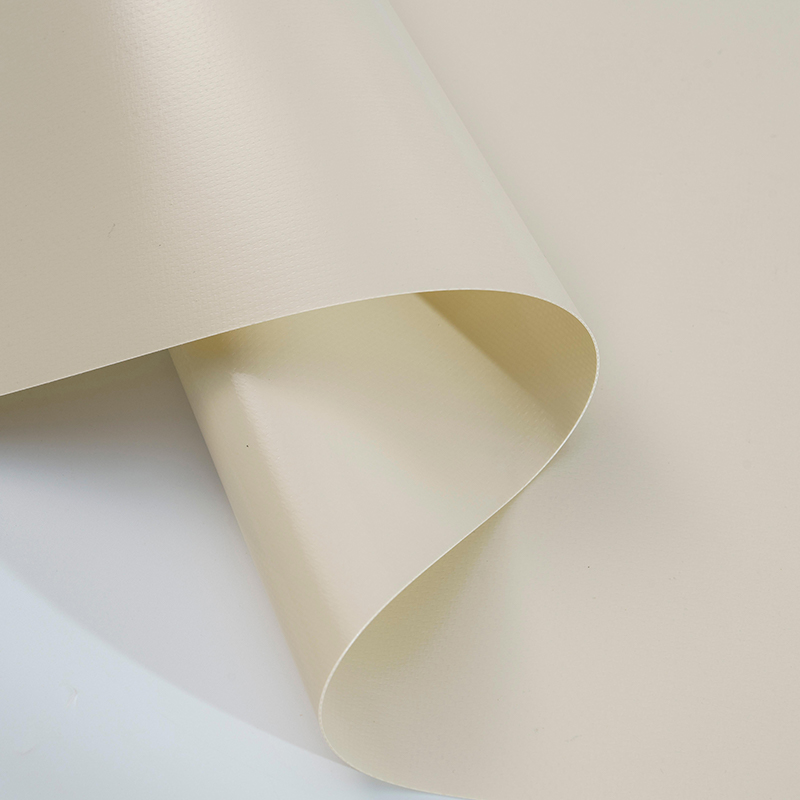
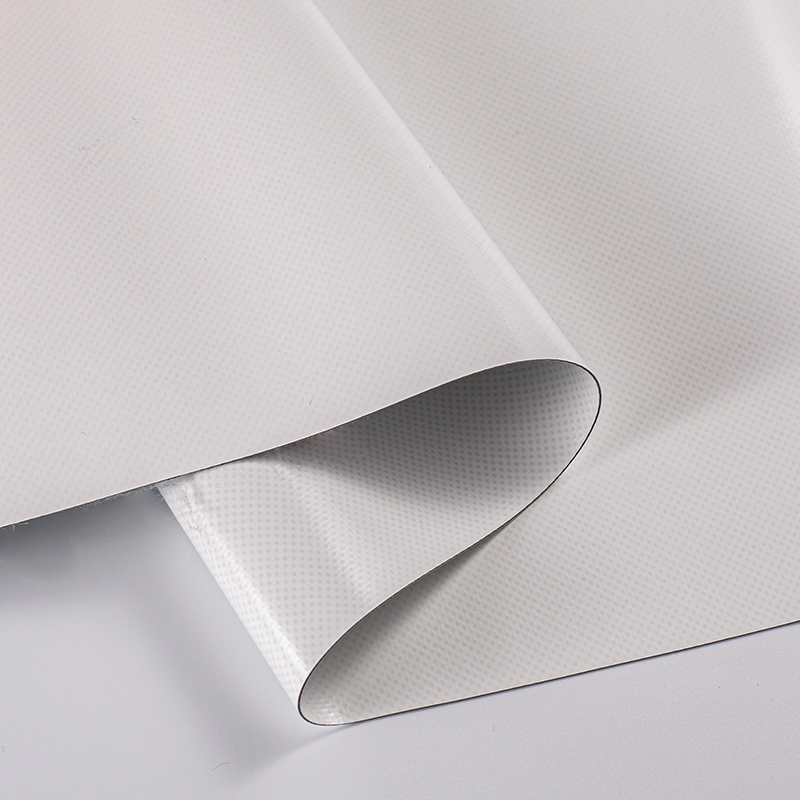
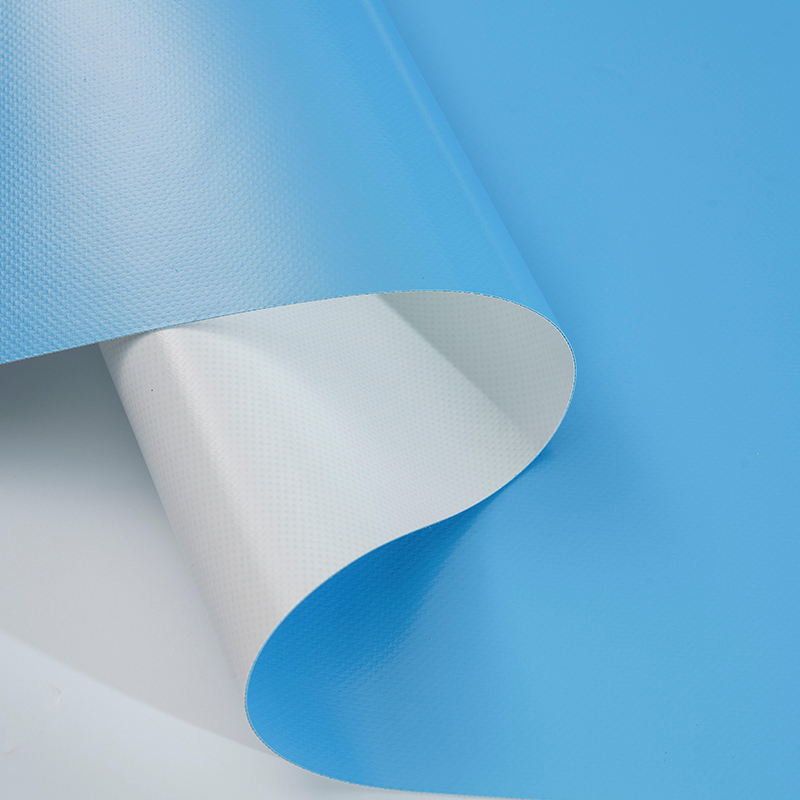
As Architectural Membrane Fabric Manufacturer and Architectural Membrane Fabric Factory, Anhui Kingtex Material Technology Co., Ltd. specializes in the R&D, production, and processing of new materials, including architectural membranes, PVC tarpaulins, PVC inflatable fabrics, mesh fabrics, biogas membranes, knife-coated fabrics, fireproof nets, intelligent luminescent materials, and others. The company has established a complete and scientific quality management system to ensure product quality control throughout the entire process.
Equipped with professional PVC cold lamination, hot lamination, coating, as well as a full set of testing and inspection instruments, the company lays a solid quality foundation for products with advanced production equipment and mature manufacturing technology. At the same time, a professional scientific research and technical team has been formed. Relying on core technological R&D capabilities, it continuously provides solid support for product innovation and stable quality.
We sincerely invite customers at home and abroad to visit our factory, negotiate cooperation, and seek common development.

PRODUCTS
Architectural Membrane Fabric Manufacturer
CATEGORIES
Architectural Membrane is a type of high-performance coated fabric widely used for building exteriors, membrane-structure roofs, and temporary or semi-permanent covering projects. With excellent waterproofing, UV resistance, and weatherability, this material meets the comprehensive requirements of modern architecture for lightweight construction, high strength, long service life, and aesthetic appearance.
Key Features
Excellent Weather Resistance
PVDF coating and acrylic coating provide long-term resistance to aging, mildew, fading, and harsh outdoor conditions, ensuring stable performance during extended use.
Waterproof and Fire Resistant
Designed for long-term outdoor applications, architectural membranes offer reliable waterproof performance and can meet relevant flame-retardant standards, including B1, B2, and NFPA-701 requirements.
High Strength and Lightweight Design
Made with high-strength yarns such as 1300D and 1500D, reinforced by high-density polyester fabric or industrial-grade base fabric, the material provides excellent tensile strength and tear resistance while maintaining a lightweight structure.
Optional Surface Coatings
Available with PVDF or acrylic coatings, architectural membranes combine functional performance with aesthetic flexibility. The coated surface offers good self-cleaning properties and helps maintain a clean appearance over time.
Applications
Architectural membranes are widely used in membrane-structure buildings, stadium roofs, fast doors, landscape sunshade structures in public areas, temporary exhibition halls, industrial facility coverings, and various high-performance architectural sheltering projects.
About Us
Anhui Kingtex Material Technology Co, Ltd.
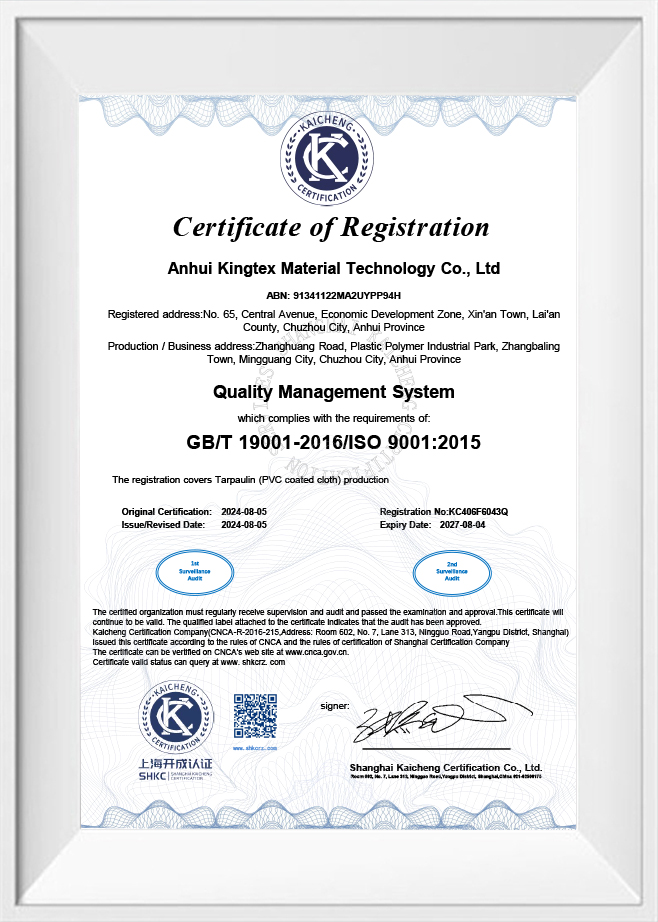
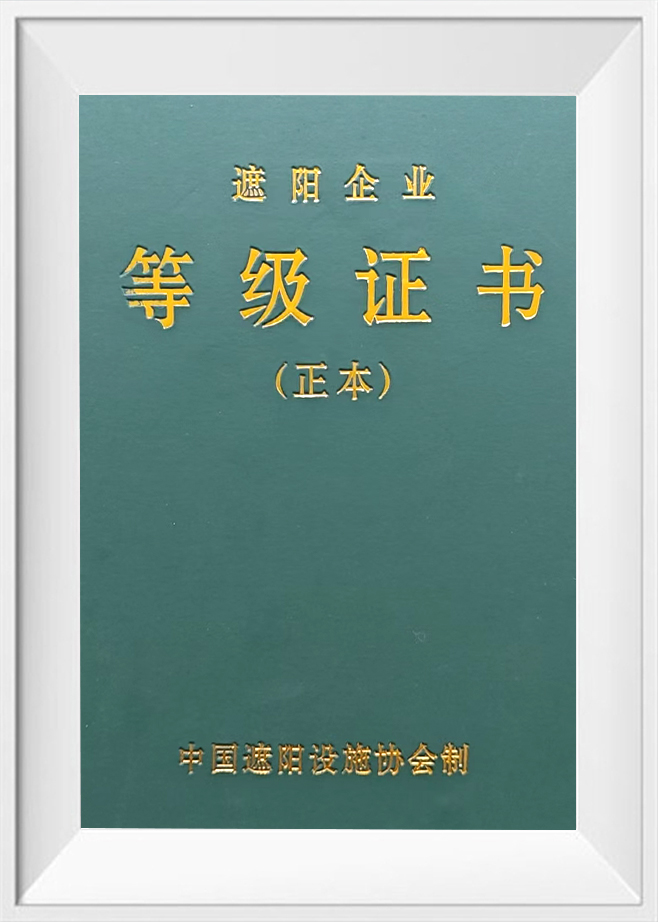
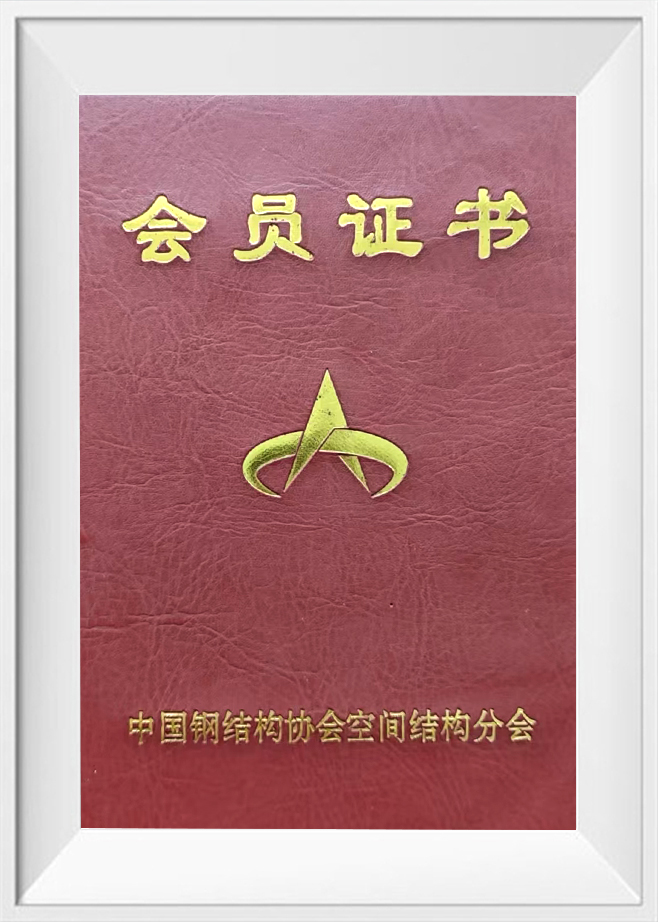
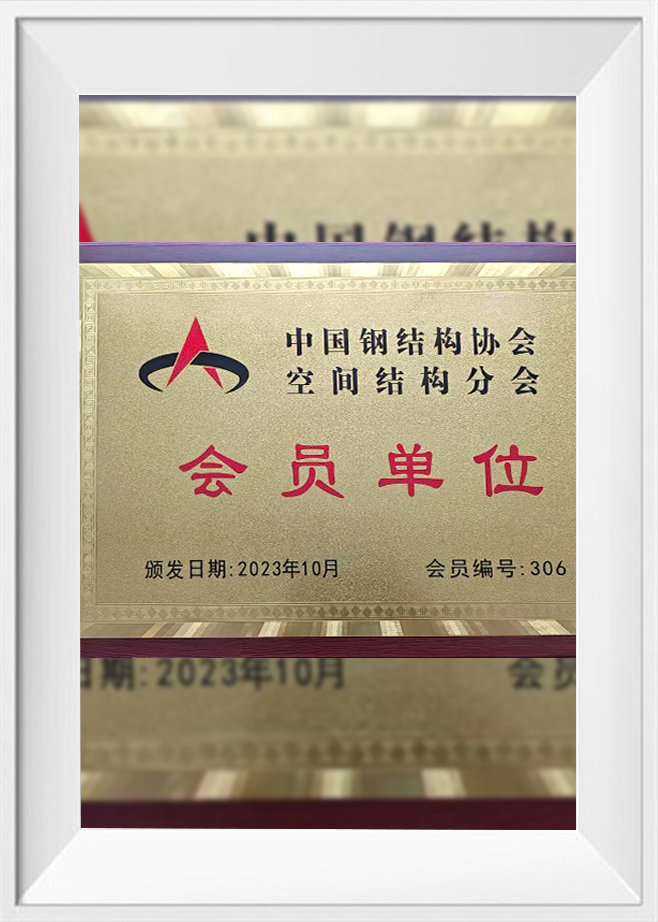
From our production base in Anhui, China, Anhui Kingtex Material Technology Co., Ltd. operates as an Architectural Membrane Fabric Manufacturer. Our factory focuses on PVC-coated polyester roll goods for tensile architecture, membrane roofs, building facades and large-scale shading systems. The architectural membrane program is built around three engineered weights — JT-1050, JT-1200 and JT-1300 — each produced with double-sided PVC coating on a high-strength polyester base. We supply the material for stadium roofs, exhibition halls, carports, industrial plant roofs, temporary and semi-permanent buildings and public landscape structures, and we tailor surface finish, flame-retardant grade and delivery format to the project.
Architectural Membrane Fabric Range
The range is designed around three load-bearing levels so the fabric can be matched to the structural span and expected wind, snow and handling loads. JT-1050 suits sunshades, facades and lighter membrane structures; JT-1200 is the general-purpose roof membrane; JT-1300 is specified for industrial roofs, large-span buildings and projects requiring maximum tear resistance.
| Model | Base Fabric | Weight / Thickness | Tensile Strength | Tear Strength | Surface Treatment |
|---|---|---|---|---|---|
| JT-1050 | Polyester 1000 x 1000D / 30x32 | 1050 g/m² / 0.80 ± 0.02 mm | Warp 4200, weft 4000 N/5cm | Warp 600, weft 500 N | Acrylic, one or both sides |
| JT-1200 | Polyester 1300 x 1300D / 30x32 | 1200 g/m² / 0.92 ± 0.02 mm | Warp 6000, weft 5800 N/5cm | Warp 850, weft 800 N | PVDF + acrylic |
| JT-1300 | Polyester 1500 x 1500D / 30x32 | 1300 g/m² / 1.0 ± 0.02 mm | Warp 6500, weft 6400 N/5cm | Warp 1000, weft 980 N | PVDF + acrylic |
The same family also includes PVDF Coated PVC Architectural Membrane Fabric, Acrylic Coated PVC Architectural Membrane Fabric and Industrial Grade PVDF Architectural Membrane Fabric.
Application Fit and Installation Approach
Architectural membrane fabric is used where a lightweight, high-strength envelope must span large distances while remaining waterproof and weather-resistant. Typical projects include large-span permanent membrane structures, semi-permanent tension structures, temporary warehouses and shelters, building facades, sunshade systems, fast doors and acoustic liners. We supply roll goods to fabricators and installers who cut, weld and tension the membrane with standard PVC fabrication equipment.
For projects that need more than material, we support structural design coordination, cutting pattern optimization and installation guidance. That means the membrane is supplied with the fabrication layout in mind, reducing waste and simplifying the tensioning process on site.
Understanding the Critical Specifications
Our datasheets quote tensile strength to DIN EN ISO 1421 / DIN 53354, tear strength to DIN 53363, adhesion to DIN 53357 and weight to DIN EN ISO 2286-2. These are the values used by structural engineers when calculating membrane stress and anchorage.
- Tensile strength defines the load the fabric can carry in warp and weft directions. Higher values allow larger spans and more efficient structural forms.
- Tear resistance is critical at edges, seams and concentrated load points where local damage can otherwise propagate.
- Adhesion of 110 N/5cm or 120 N/5cm confirms the PVC coating stays bonded to the polyester base during folding, welding and long-term weathering.
- The usable temperature range of -30°C to 70°C covers most building environments, including hot roof surfaces and cold climate installations.
- Roll width up to 3.2 m helps reduce longitudinal seams on wide roof panels, improving both aesthetics and installation speed.
Configured Surface and Coating Options
The membrane is coated on both sides with PVC, then finished with either an acrylic or a PVDF + acrylic top coat. Acrylic finishes give a clean matte appearance and good weather resistance; PVDF + acrylic provides stronger anti-fouling behavior and UV resistance, keeping the membrane cleaner and whiter over a longer service life.
- Flame retardancy can be supplied to B1, B2 or B3 levels per GB 8624-2012 or DIN 4102-1, and NFPA-701 can be referenced where the project requires it.
- Anti-wicking and anti-mildew treatments are available for humid or coastal environments.
- Customization can include base fabric weight, coating formulation, surface finish, roll width and packaging format.
- For large projects we confirm the exact specification before production so the delivered fabric matches the structural calculation and local building requirements.
Manufacturing and Quality Control
The fabric is produced in our own Anhui factory using PVC cold lamination, hot lamination and coating lines, supported by a full set of testing and inspection instruments. Our quality management system covers the entire process from raw material intake to finished goods, so coating weight, adhesion, visual surface and physical properties are checked against the order specification. This vertical control also lets us respond faster when a project requires a modified base structure or a custom coating formulation.
Information We Use to Configure Your Solution
Every architectural membrane project starts with a clear picture of how the fabric will be used. When you send an inquiry, include the following details so we can propose the correct grade, finish and delivery scope:
- Structure type and span, and whether the building is permanent, semi-permanent or temporary.
- Project location, climate, UV exposure, wind load and snow load assumptions.
- Required fire rating and applicable building code.
- Preferred weight, thickness, base fabric and surface finish.
- Fabrication requirements such as cutting pattern, welding method, edge treatment or keder detail.
- Roll width, quantity, packing and delivery destination.
Project Handoff and Documentation
We confirm the production specification before starting, including weight, thickness, tensile and tear values, adhesion and fire grade. Test data is based on the relevant DIN/EN standards and is supplied for reference with the delivery documents. For large fabricated projects, we coordinate cutting pattern optimization and installation guidance with your team so the membrane arrives ready for welding and tensioning.
Frequently Asked Questions
Which architectural membrane fabric should I use for a stadium roof?
For long-span stadium roofs we normally recommend JT-1300 because its 6500 N/5cm warp tensile strength and 1000 N tear strength provide the highest safety margin under wind uplift and concentrated loads. JT-1200 is suitable for many standard roof applications, while JT-1050 works well for facades, sunshades and lighter structures.
Can the membrane meet local flame-retardant requirements?
Yes. We can supply B1, B2 or B3 fire performance according to GB 8624-2012 or DIN 4102-1, and we can reference NFPA-701 when the project specification requires it. The fire grade is confirmed as part of the order specification.
What is the difference between acrylic and PVDF-coated membrane?
Acrylic coating provides good weather resistance and a uniform surface for lower-cost projects. PVDF + acrylic coating adds stronger anti-fouling and UV performance, which helps the roof keep its appearance over a longer period. For industrial roofs and prominent architecture, we generally recommend the PVDF + acrylic finish.
How is architectural membrane fabric supplied?
The fabric is supplied in rolls up to 3.2 m wide. Roll length, packing and labelling are agreed before production based on the fabrication layout and delivery method. Materials and test documentation accompany the shipment for traceability.
Can you customize the membrane for a specific structure?
Yes. Our R&D and production team can adjust base fabric weight, coating formulation, surface finish and fire grade for a specific project. Send us the structural application, loading assumptions and installation method, and we will propose a configuration and confirm the specification before production.

We warmly welcome customers from home and abroad to visit our factory, negotiate cooperation, and create a bright future together.
Contact Information
- +86-13967331581
- +86-550-2356878
info@kingtexfabric.com
Address
- No. 12, Weiyi Road, Laian County Economic Development Zone, Chuzhou, Anhui, China
Get in Touch
Copyright ©Anhui Kingtex Material Technology Co, Ltd. All Rights Reserved. Custom Architectural Membrane Fabric Manufacturer China Architectural Membrane Fabric Factory
