 English
 русский
 Français
 Español
 عربى
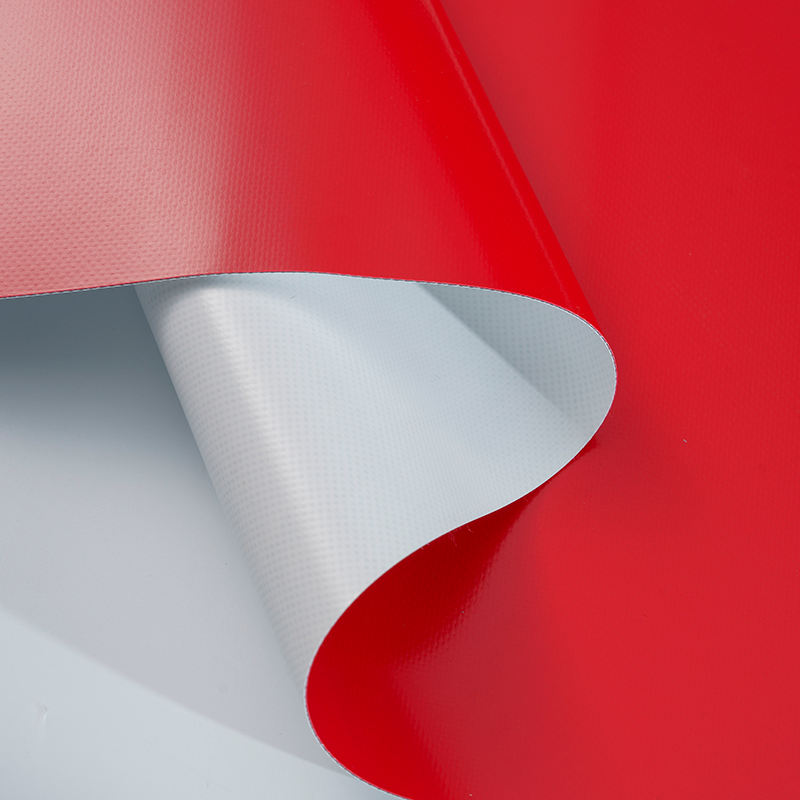
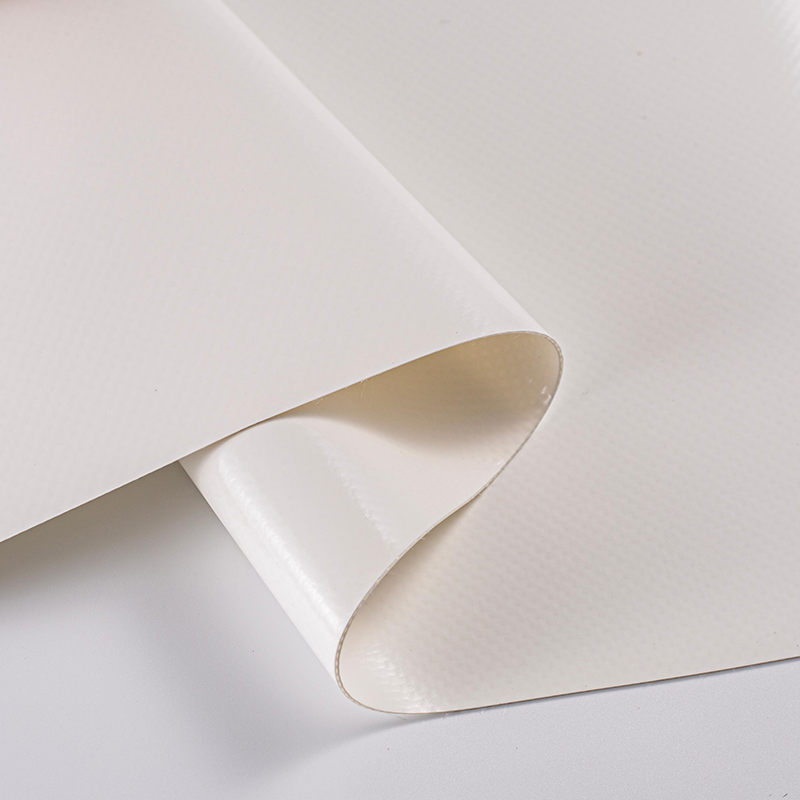
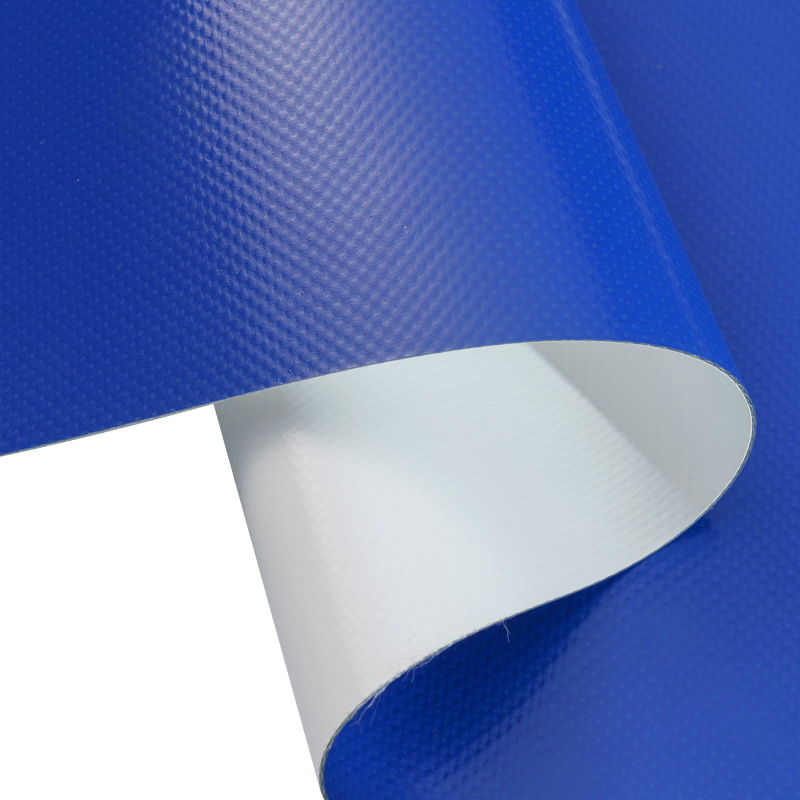
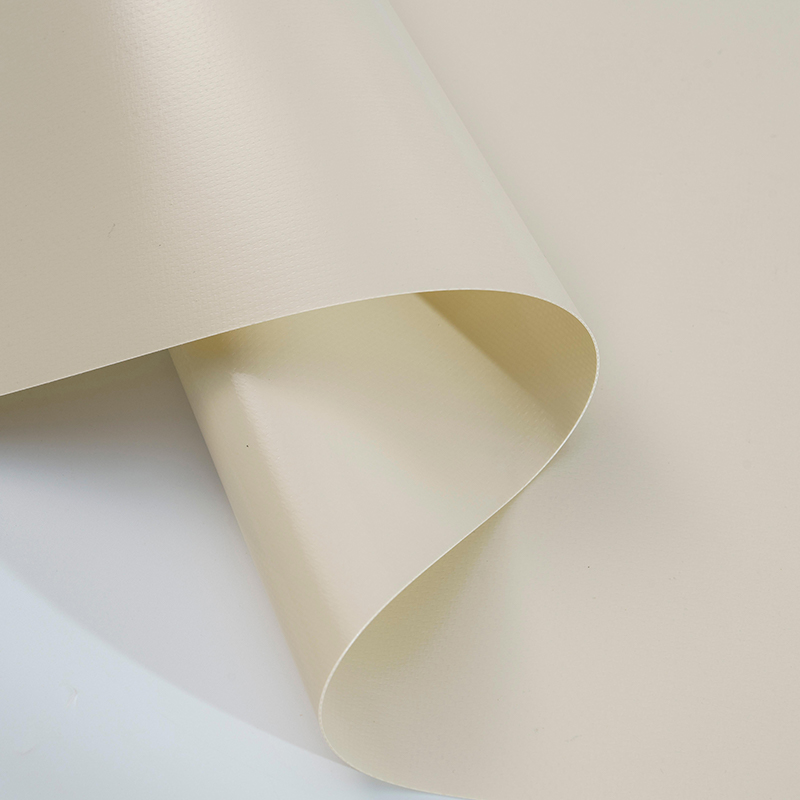
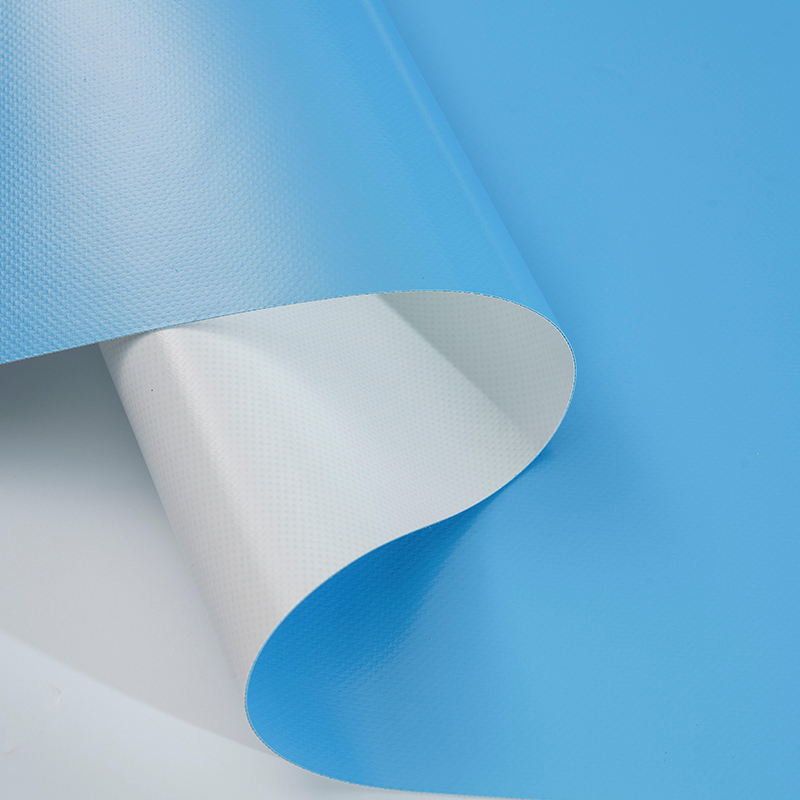
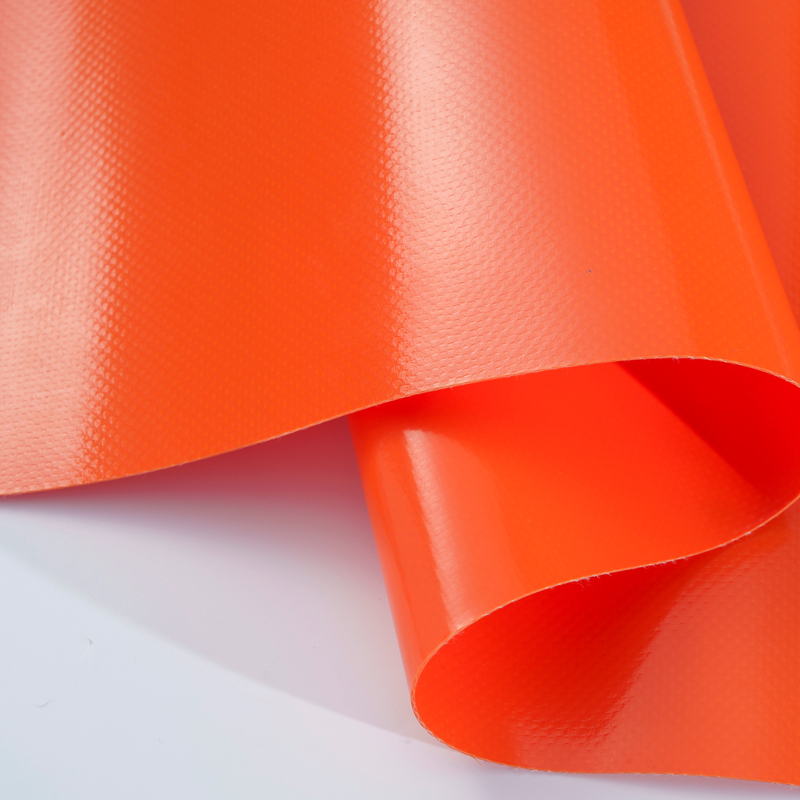
What is Industrial Grade PVDF Architectural Membrane Fabric?
It is a polyester scrim coated with PVC and finished with a PVDF lacquer on the outer face. The build is aimed at demanding industrial and commercial sites.

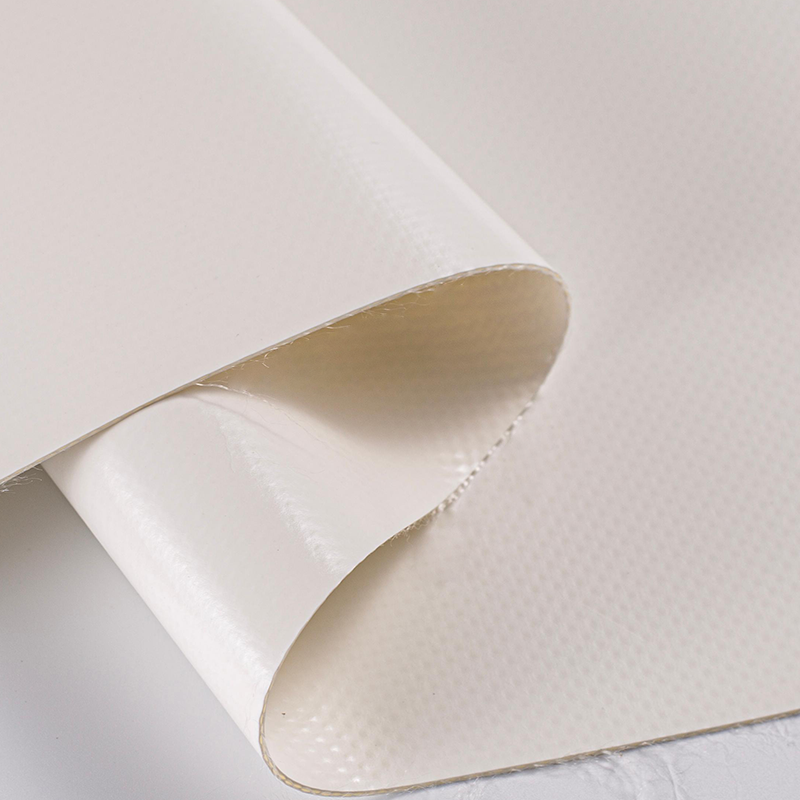
Product Overview
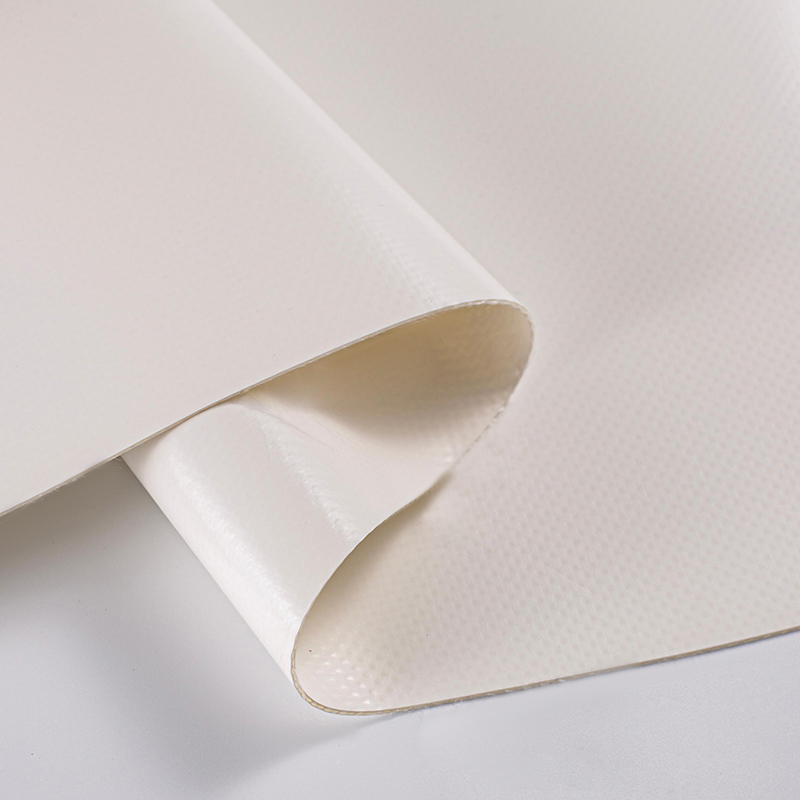
The JT-1300 Industrial Grade PVDF Architectural Membrane Fabric adopts double-sided PVC coating, with a high-density polyester filament base fabric (Polyester 1500×1500D/3032). The fabric has a weight of 1300 g/m², a thickness of approximately 1.0 mm, and a width of up to 3.2 meters. The surface undergoes PVDF + acrylic composite treatment, significantly enhancing weather resistance and anti-pollution performance, making it suitable for industrial and large-scale building applications.
| Project | Value | Unit | Test method |
| Coating Material | PVC coated on both sides | ∕ | ∕ |
| Base fabric | Polyester 1500*1500D/30*32(per inch) |
∕ | DIN EN6001 |
| Weight | 1300 | g/㎡ | DIN EN ISO 2286-2 |
| Thickness | 1.0±0.02 | mm | |
| Width | UP TO 3.2M | / | |
| Tensile Strenght | Warp 6500 | N/5cm | DIN EN ISO1421 DIN53354 |
| Weft 6400 | |||
| Tear Strenght | Warp 1000 | N | DIN53363 |
| Weft 980 | |||
| Adhesion Strength | ≥120 | N/5cm | DIN53357 |
| Threshold Temperature | -30~70 | ℃ | DIN EN 1876-1 |
| Surface Treatment | PVDF+Acrylic | ||
| Flame Retardancy | B1/B2/B3 | GB 8624-2012orDIN4102-1 | |
| Remarks: Non-weldable PVDF, acrylic surface treatment, anti-wicking, and anti-mildew treatments are optional. Custom solutions can be provided according to requirements. | |||
| ※ The above data are test results obtained in accordance with relevant standards, for reference only. Jingtai Company reserves the right of final interpretation. | |||
Main Features
Ultra-High Strength: Tensile strength in the warp direction is 6500 N/5cm, in the weft direction 6400 N/5cm; tear strength is 1000 N in the warp direction and 980 N in the weft direction, meeting the requirements of high-strength structures.
Firm Bonding: Peel strength ≥ 120 N/5cm, ensuring long-term stability between the coating and base fabric.
Wide Temperature Adaptation: Usable in environments ranging from -30°C to 70°C, suitable for various industrial conditions.
Optional Fire Performance: Fire rating up to B1/B2/B3, compliant with industrial safety standards.
Customizable Features: Options include non-weldable PVDF, anti-wicking, and anti-mold treatments to meet specific industrial requirements.
Applications
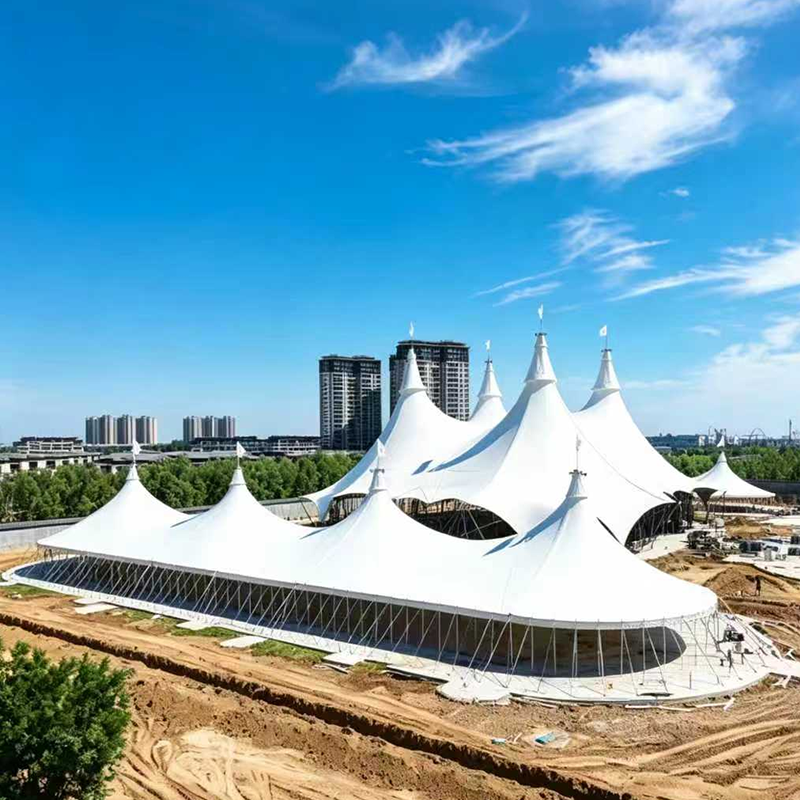
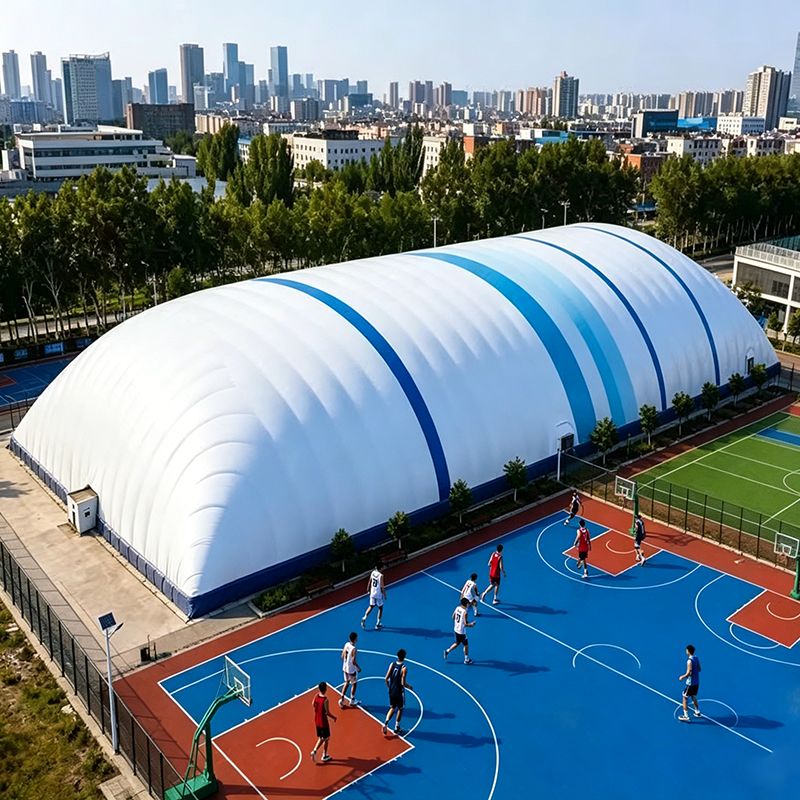
Roofs and membrane structures of large industrial plants
Industrial warehousing and logistics covering facilities
High-strength membrane structure buildings (e.g., factories, stadiums)
Rainproof, sunproof, and long-term outdoor shading facilities
PVC Inflatable Fabric, PVC Cover Material and PVC Mesh Fabric: A Practical Guide for B2B Buyers PVC inflatable fabric, PVC cover material and PVC mesh fabric share the same polyester-and-PVC foundation, but each is specified for a different job: airtightness and weld strength fo...
READ MOREArchitectural Membrane Fabric, PVC Tent Fabric and Truck Cover & Side Curtains Fabric: A Practical Selection Guide Architectural membrane fabric, PVC tent fabric and truck cover & side curtains fabric are all polyester base cloths coated with PVC, but each is tuned to a ...
READ MOREPVC Fabric Product Guide: How to Select the Right Material for Structures, Covers, Inflatables and Industrial Use A PVC fabric product performs reliably when four decisions are made in the right order: the base cloth construction, the coating weight, the topcoat finish, and the ...
READ MOREIndustrial Grade PVDF Architectural Membrane Fabric is a tensile building textile made from a polyester scrim, PVC coatings on both faces and a PVDF surface lacquer on the weather side. The scrim carries load, the PVC layers seal the textile and form weldable seams, and the PVDF layer protects the surface from sun, rain and airborne deposits. The result is a light, formable cover that can span wide openings without heavy framing.
In project language, industrial grade describes a build aimed at demanding sites such as factories, warehouses, logistics yards and water treatment plants. These sites expose a roof or wall to dust, moisture, mild chemical vapors and long hours of direct sun. A specification for Industrial Grade PVDF Architectural Membrane Fabric therefore pays close attention to scrim weight class, coating build and the durability of the fluoropolymer surface, rather than to appearance alone.
This guide looks at the structure, the production sequence, suitable sites, surface comparison, selection logic and care routines, so that designers, fabricators and procurement teams can discuss the material with a common vocabulary.
PVDF stands for polyvinylidene fluoride, a fluoropolymer known for stable behavior under ultraviolet light and contact with many chemicals. When applied as a thin lacquer over PVC, it acts as a barrier that slows surface aging and keeps the face smooth enough to rinse clean. Below it, the PVC coating gives flexibility and weldability, and the polyester scrim provides tensile and tear strength. Each layer handles a separate task, which is why the combined sheet performs better outdoors than any single layer would.
The flow diagram follows the fabric from raw scrim to finished roll. In the first step the polyester scrim is prepared in the width and weight class set by the project. The second step builds the PVC body by coating or lamination, which seals the scrim and sets flexibility. The third step applies the PVDF lacquer to the weather face as a thin and even film. Drying and curing then fix the lacquer so that it bonds with the PVC layer beneath. The last step covers inspection of width, surface and coating appearance before the fabric is rolled for shipment. Because each stage depends on the one before it, a membrane factory with coating, lamination and testing in one location can follow a specification through the full sequence.
Panels are cut to a pattern and joined by high frequency or hot air welding. Fluoropolymer surfaces need preparation of the seam zone so that the weld forms between the PVC layers. After welding, the membrane is fixed to a steel frame or cable system and tensioned to hold its form.
Not every site asks the same of a membrane. The quadrant chart places six common site types by two factors: how much sun the surface receives and how much airborne contamination it meets.
The upper right zone holds sites where strong sun and contaminated air combine, and it is the area where a PVDF surface earns its place. Logistics canopies and wastewater covers sit there, because they stand outdoors and meet dust, moisture and vapors on a daily basis. Warehouse roofs and greenhouses receive plenty of sun but meet cleaner air, so a lighter surface choice may also work. Factory facades face more airborne deposits with less direct sun, which raises the value of easy cleaning. A storage yard shelter sits lowest on both scales and can often use a simpler finish. The chart is a way to start the conversation, and each project should be assessed against its own site conditions.
The radial chart rates four surface properties of Industrial Grade PVDF Architectural Membrane Fabric on a scale of zero to ten. A full ring stands for ten.
The outer ring shows surface cleanability, which is the property most tied to the closed, smooth character of a fluoropolymer lacquer. Weather stability sits just as high, since the lacquer shields the PVC beneath from direct sun and moisture. Chemical atmosphere tolerance and color retention sit slightly lower, but still cover most of the ring. These two properties depend on site air quality and pigment choice, so they vary more between projects. The values are a general guide for comparing surface systems, and technical data sheets and sample trials should confirm the figures for any given order.
| Item | Plain PVC | Acrylic Lacquer | PVDF Lacquer |
|---|---|---|---|
| Surface character | Open PVC face | Smoother closed face | Fluoropolymer barrier |
| Exposure suitability | Short term use | Medium term outdoor use | Long term demanding sites |
| Dirt behavior | Holds dust | Rinses more easily | Rinses most readily |
| Seam preparation | Direct welding | Seam zone prepared | Seam zone prepared |
| Typical projects | Temporary covers | Canopies, event structures | Industrial roofs, facades, plant covers |
Industrial Grade PVDF Architectural Membrane Fabric is supplied in several weight classes and visual finishes. The table sets out the types most often discussed with fabricators.
| Type | Construction Note | Characteristics | Typical Use |
|---|---|---|---|
| Medium weight class | Balanced scrim and coating | Easy fabrication, moderate span | Walkways, small canopies |
| Heavy weight class | Stronger scrim, thicker coating | Higher load capacity | Large span roofs, plant covers |
| Translucent grade | Light colored coating system | Diffuses daylight | Warehouse roof sections, halls |
| Custom color grade | Pigmented coating, matched lots | Supports design color | Facades, visible structures |
| Mesh variant | Open weave with coating | Air passage, lower wind load | Screens, open shade areas |
The rank chart shows how four selection criteria change in importance across three project types. A rank of one marks the top priority.
The chart follows each criterion as a colored line from left to right. Weather stability starts at the top for a warehouse roof and slides down for a facade, where appearance matters more. Surface cleanability climbs to first place on a wastewater cover, because airborne deposits settle there faster than on other sites. Color retention stays at the bottom for the two industrial projects and jumps to the top for a facade, which shows how design intent changes the priority list. Seam weldability falls steadily, since large industrial panels are often handled by experienced crews who accept more complex seam work. These ranks are discussion aids, and each project team should set its own order from site data.
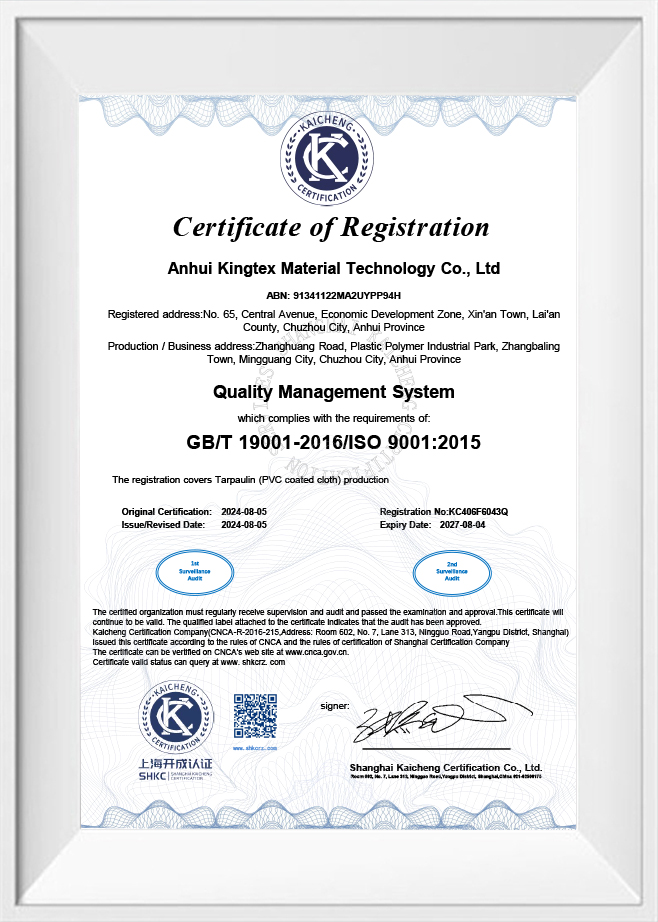
A membrane order depends on stable coating and lacquer work from the first roll to the last. Anhui Kingtex Material Technology Co., Ltd. works as a China PVC fabric waterproof manufacturer and stretch PVC fabric factory. Its range covers architectural membranes, PVC tarpaulins, PVC inflatable fabrics, mesh fabrics, biogas membranes, knife-coated fabrics, disaster prevention nets and intelligent luminescent materials.
The company operates PVC cold lamination, hot lamination and coating equipment, together with a full set of testing instruments and a dedicated R&D team. For buyers searching for an Industrial Grade PVDF Architectural Membrane Fabric Factory or an architectural membrane fabric manufacturer, this means coating, lamination and testing can be reviewed together, including OEM and custom color requests. Customers from all sectors are welcome to visit the facility for tours and business talks.
A PVDF surface rinses easily, but a regular routine still keeps a membrane roof or wall in good condition. The steps below fit most industrial sites.
Sites with heavier airborne deposits, such as those near roads or process plants, benefit from a shorter cleaning interval than quiet rural locations.
It is a polyester scrim coated with PVC and finished with a PVDF lacquer on the outer face. The build is aimed at demanding industrial and commercial sites.
Both close the PVC face, but PVDF is a fluoropolymer that is generally chosen for longer exposure and harsher air, while acrylic suits medium term outdoor use.
Panels are joined by high frequency or hot air welding. The seam zone is prepared so that the weld forms between the PVC layers.
Warehouses, factories, logistics canopies, water treatment covers, greenhouses and large public structures are common uses.
Useful details include site description, span, weight class, color, translucency, roll width and panel layout drawings.
Rinse with clean water and use mild detergent with a soft brush where needed. Avoid strong solvents and hard scrapers.

We warmly welcome customers from home and abroad to visit our factory, negotiate cooperation, and create a bright future together.
Copyright ©Anhui Kingtex Material Technology Co, Ltd. All Rights Reserved. Wholesale Industrial Grade PVDF Architectural Membrane Fabric Factory
