 English
 русский
 Français
 Español
 عربى
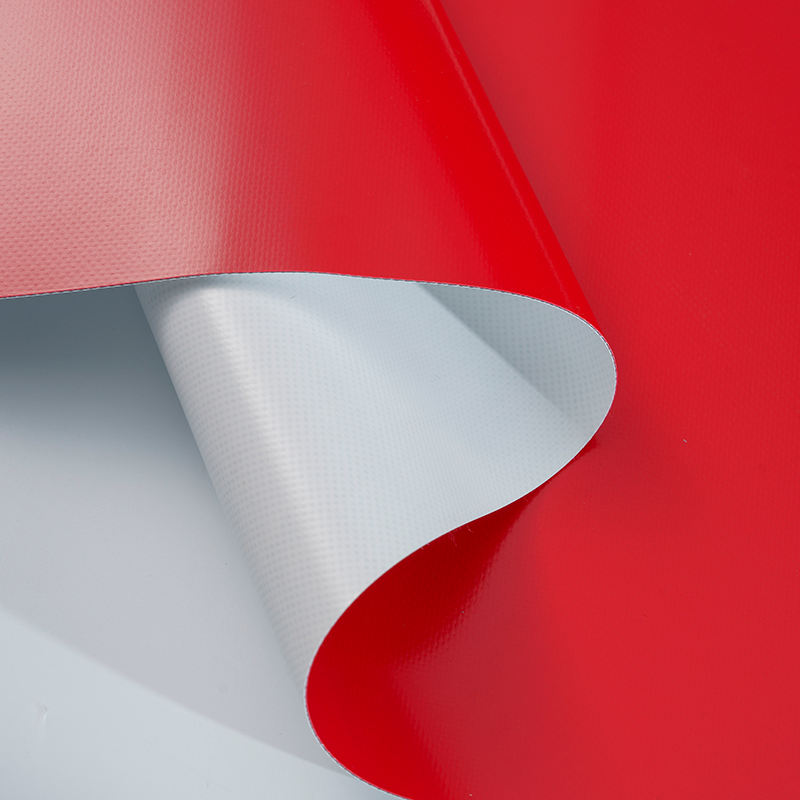
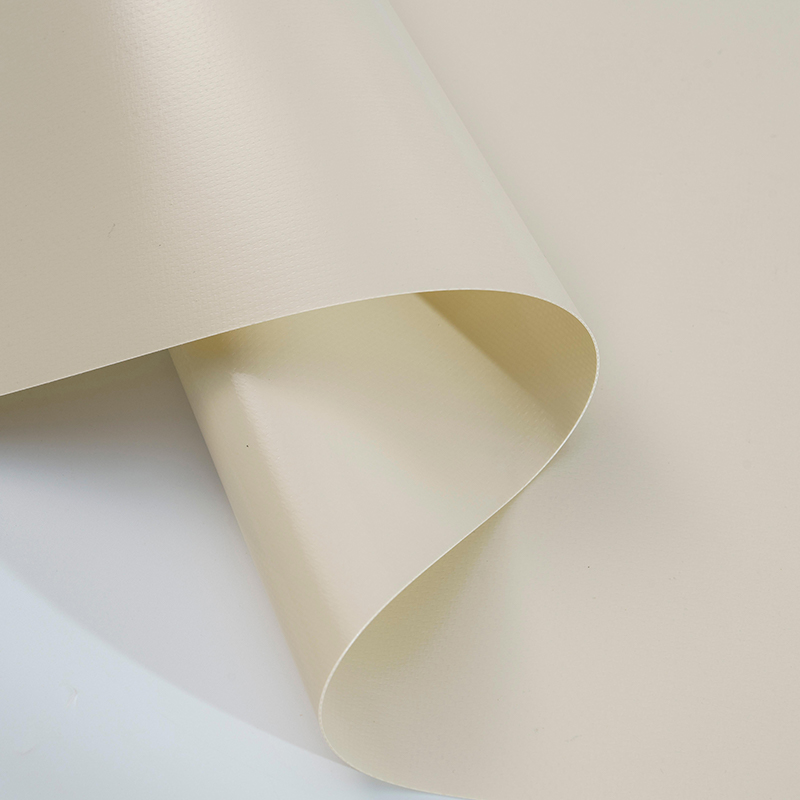
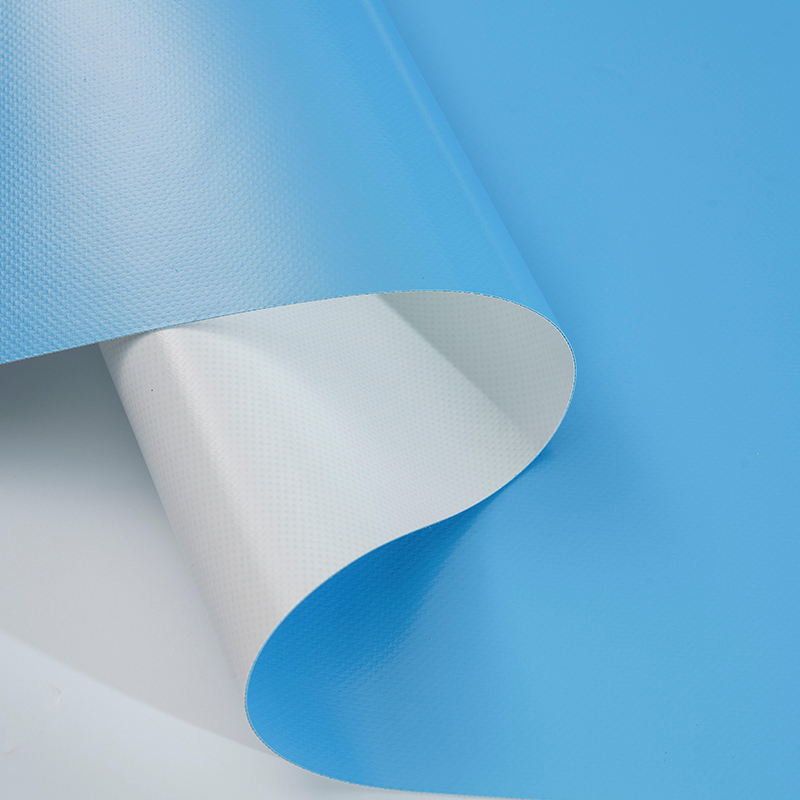
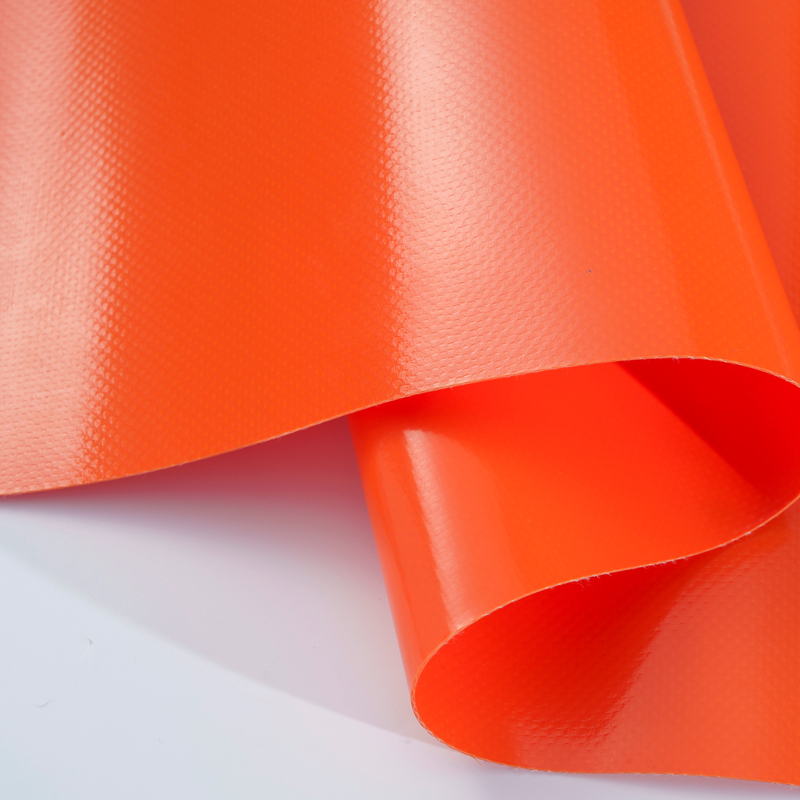
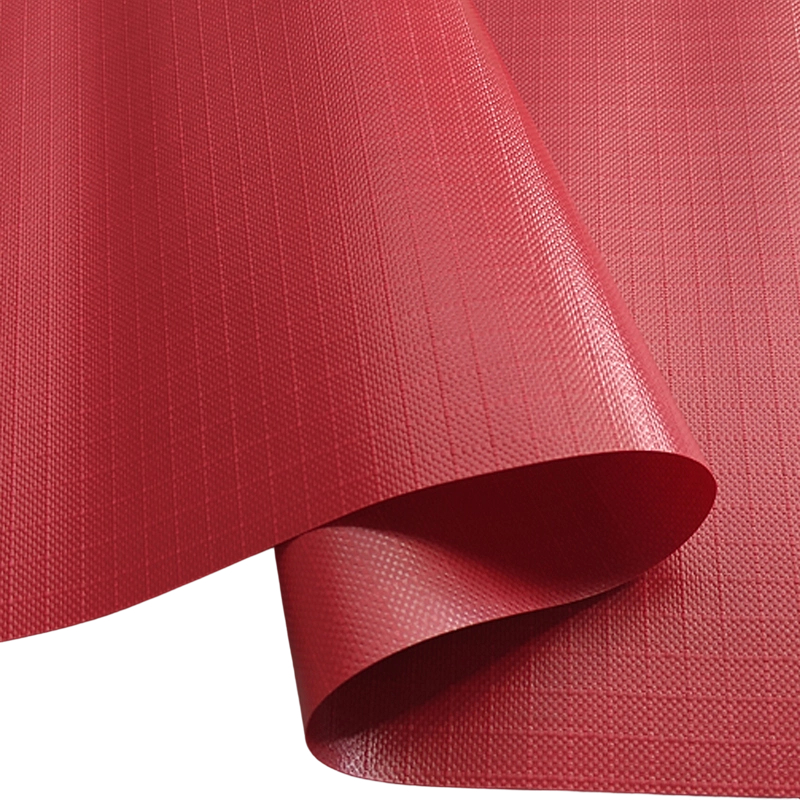
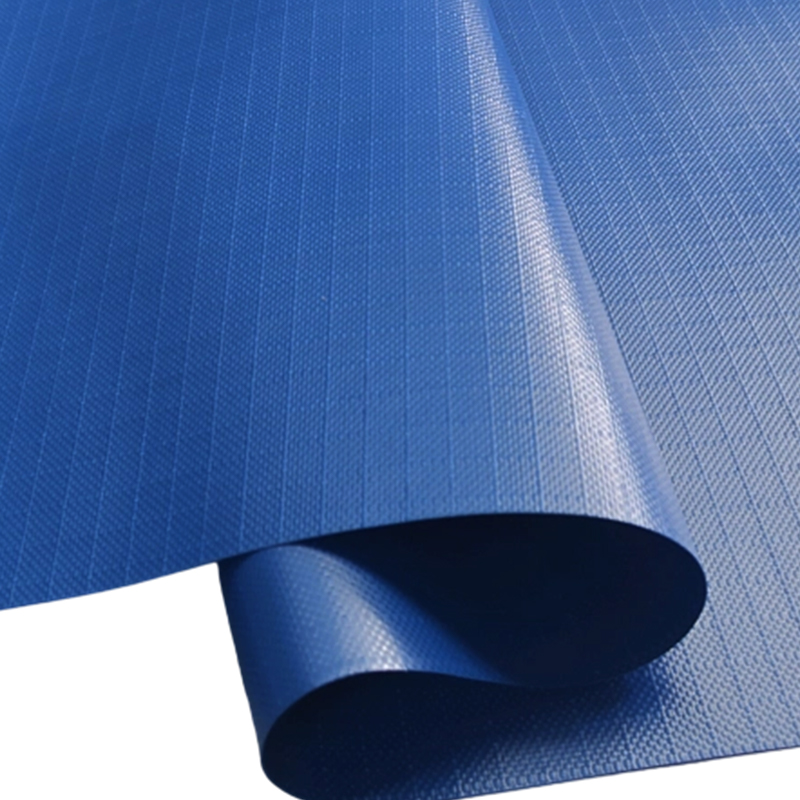
What is Acrylic Coated PVC Architectural Membrane Fabric?
It is a polyester scrim coated with PVC on both faces and finished with an acrylic lacquer on the outer side. The PVC body seals and welds, and the acrylic layer protects the surface.

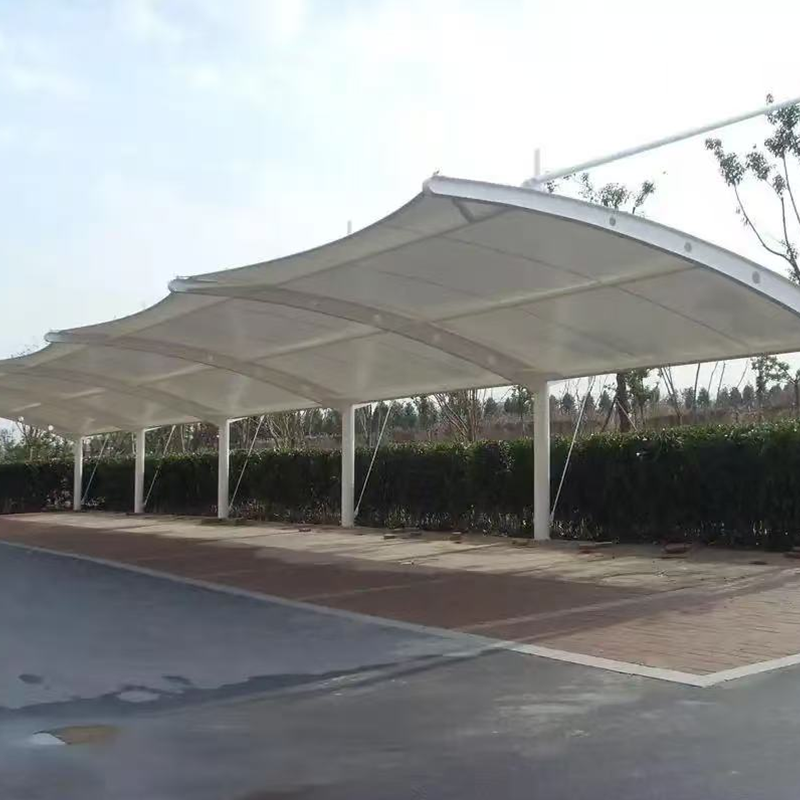
Product Overview
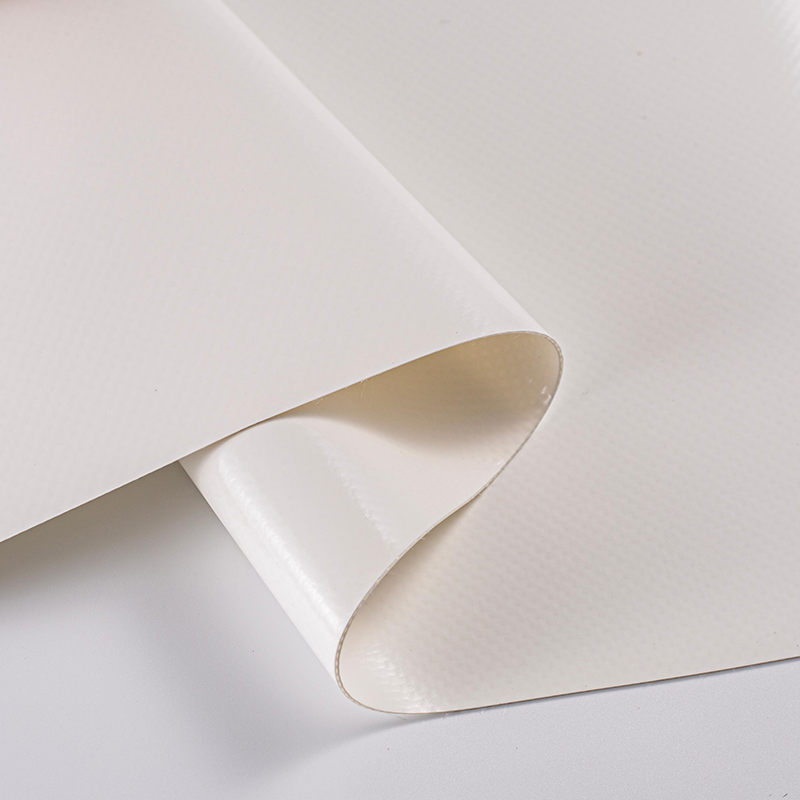
The JT-1050 Acrylic Coated PVC Architectural Membrane Fabric adopts double-sided PVC coating, with a polyester filament base fabric (Polyester 1000×1000D/3032). The fabric has a weight of 1050 g/m², a thickness of approximately 0.80 mm, and a width of up to 3.2 meters. The surface uses an acrylic coating, available in single-sided or double-sided treatment, enhancing weather resistance and aesthetics.
| Project | Value | Unit | Test method |
| Coating Material | PVC coated on both side | ∕ | ∕ |
| Base fabric | Polyester 1000*1000D/30*32(per inch) |
∕ | DIN EN6001 |
| Weight | 1050 | g/㎡ | DIN EN ISO 2286-2 |
| Thickness | 0.80±0.02 | mm | |
| Width | UP TO 3.2M | / | |
| Tensile Strenght | Warp 4200 | N/5cm | DIN EN ISO1421 DIN53354 |
| Weft 4000 | |||
| Tear Strenght | Warp 600 | N | DIN53363 |
| Weft 500 | |||
| Adhesion Strength | ≥110 | N/5cm | DIN53357 |
| Threshold Temperature | -30~70 | ℃ | DIN EN 1876-1 |
| Surface Treatment | Acrylic ( both sides or one side) | ||
| Flame Retardancy | B1/B2/B3 | GB 8624-2012orDIN4102-1 | |
| Remarks: Optional non-weldable PVDF, acrylic surface treatment, wicking resistance, mildew resistance, etc. Customization is available upon request. | |||
| ※ The above data are test results obtained in accordance with relevant standards, for reference only. Jingtai Company reserves the right of final interpretation. | |||
Core Advantages
Good Strength: Tensile strength in the warp direction is 4200 N/5cm, in the weft direction 4000 N/5cm; tear strength is 600 N in the warp direction and 500 N in the weft direction, ensuring stability during construction and use.
Reliable Adhesion: Peel strength ≥ 110 N/5cm, ensuring firm bonding between the coating and the base fabric.
Wide Temperature Range: Suitable for temperatures from -30°C to 70°C, capable of withstanding various climatic conditions.
Customizable Features: PVDF coating, anti-fouling, and anti-mold treatments can be selected as needed, flexibly meeting different project requirements.
Optional Fire Rating: B1/B2/B3 grades, compliant with building safety standards.
Applications
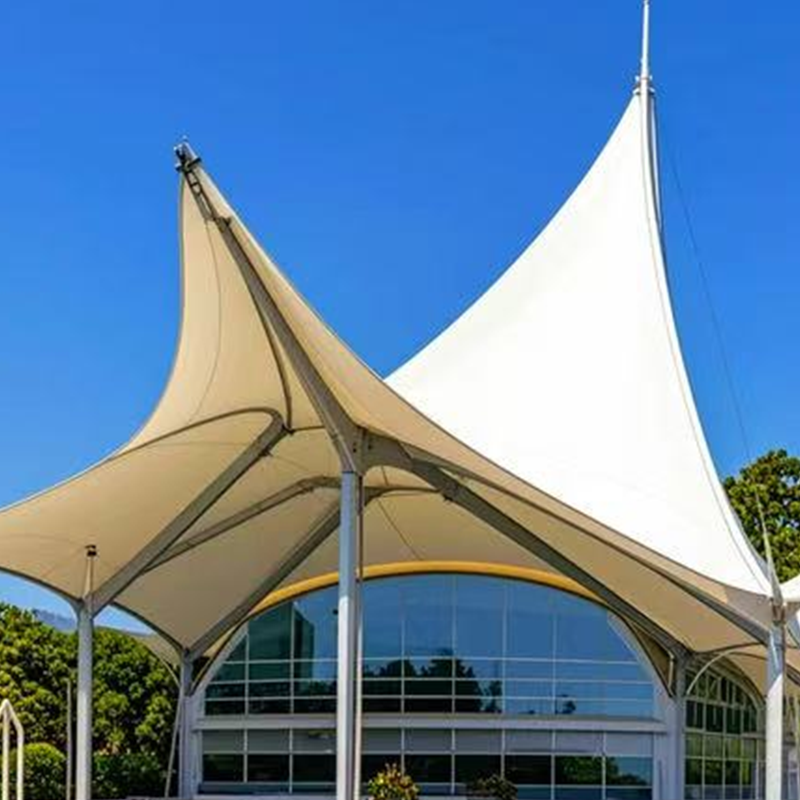
Membrane structure sunshades and exhibition hall membranes
Architectural façade decorative membranes
Temporary coverings and protective uses
Various outdoor waterproof and sunproof facilities


PVC Inflatable Fabric, PVC Cover Material and PVC Mesh Fabric: A Practical Guide for B2B Buyers PVC inflatable fabric, PVC cover material and PVC mesh fabric share the same polyester-and-PVC foundation, but each is specified for a different job: airtightness and weld strength fo...
READ MOREArchitectural Membrane Fabric, PVC Tent Fabric and Truck Cover & Side Curtains Fabric: A Practical Selection Guide Architectural membrane fabric, PVC tent fabric and truck cover & side curtains fabric are all polyester base cloths coated with PVC, but each is tuned to a ...
READ MOREPVC Fabric Product Guide: How to Select the Right Material for Structures, Covers, Inflatables and Industrial Use A PVC fabric product performs reliably when four decisions are made in the right order: the base cloth construction, the coating weight, the topcoat finish, and the ...
READ MOREAcrylic Coated PVC Architectural Membrane Fabric is a tensile building textile made from a high tenacity polyester scrim, PVC coatings on both faces and an acrylic lacquer on the outer surface. The PVC layers seal the textile and carry the welded seams. The acrylic layer works as a protective skin that limits dirt pickup and slows surface aging under sun and rain. Designers use the material for tensile roofs, canopies, facades and shade structures where a light, formable cover is needed.
A membrane on a building stays outdoors for many seasons, so the outer surface decides how the structure looks over time. Plain PVC surfaces can hold dust and show streaks after repeated rain. An acrylic top coat creates a smoother, more closed face that rinses more easily and holds color tone more evenly. For this reason, project teams who compare an Acrylic Coated PVC Architectural Membrane Fabric Factory against general PVC suppliers often start by reviewing the surface system.
The sections below explain the layer structure, compare surface finishes, list common types, and outline selection and care steps for architects, fabricators and contractors.
The cross section below shows how each layer of an acrylic coated membrane has a separate job under outdoor exposure.
The thin acrylic top coat faces sun, rain and airborne dust, so it forms the first line of surface protection. The outer PVC coating below it seals the textile and supplies the weldable material used at seams. The polyester scrim in the middle carries the tensile load that the structure places on the membrane. Its yarn size and weave determine how the sheet responds to stretching, wind pressure and long term tension. The inner PVC layer balances the structure so that the sheet lies flat and welds evenly. The back lacquer layer protects the underside from abrasion against cables, frames and clamping plates. Together these five layers allow Acrylic Coated PVC Architectural Membrane Fabric to act as one composite rather than as a simple coated cloth.
Knife coating spreads PVC paste onto the scrim with a blade and passes the sheet through an oven to gel the paste. Hot lamination presses pre-made PVC film onto the scrim under heat and pressure. Cold lamination joins film and scrim with an adhesive system at lower temperature. After the PVC body is formed, the acrylic lacquer is applied to the outer face and dried. The chosen route changes surface feel, thickness control and flexibility, so a membrane factory matches the method to the span, curvature and exposure of the structure.
PVC is a thermoplastic, so overlapping panels can be joined by high frequency or hot air welding. The weld fuses the coating of both sheets and forms a continuous join along the cutting pattern of the structure. Once panels are welded, the membrane is fixed to a frame or cable system and tensioned so that it holds its shape against wind and rain.
Buyers often ask what the acrylic layer changes compared with a plain PVC coated surface. The diverging bar chart below places the two finishes side by side across four properties that matter for architectural use.
The chart shows a clear shift in the first three rows when an acrylic layer is added. Surface cleanability rises because the lacquer gives a smoother and more closed face, which sheds dust more readily during rain. Weather exposure stability also rises, since the acrylic layer shields the PVC beneath from direct sun and moisture. Color tone retention follows the same pattern, which matters on facades where neighboring panels must look alike over time. Fabric softness moves slightly the other way, because a lacquered face feels a little firmer in the hand. These values are a planning guide, and project teams should confirm the exact figures against technical data sheets and sample trials.
| Item | Plain PVC Coated | Acrylic Coated PVC |
|---|---|---|
| Outer surface | PVC face | Acrylic lacquer over PVC |
| Dirt pickup | More likely to hold dust | Smoother face, easier rinsing |
| Exposure behavior | Suited to shorter term use | Suited to long term outdoor use |
| Seam welding | Heat welded | Heat welded after seam zone preparation |
| Typical projects | Temporary shelters, covers | Tensile roofs, canopies, facades |
Acrylic Coated PVC Architectural Membrane Fabric is supplied in several weight classes and finishes. The table groups the types most often discussed during project planning.
| Type | Construction Note | Characteristics | Typical Use |
|---|---|---|---|
| Light duty membrane | Lighter scrim, thinner coating | Easy to fold and fabricate | Small canopies, shade sails |
| Medium weight membrane | Balanced scrim and coating | Good span capacity and handling | Walkway roofs, event pavilions |
| Heavy duty membrane | Strong scrim, thicker coating | Higher load capacity | Large span tensile roofs |
| Translucent membrane | Light colored coating system | Diffuses daylight inside | Atriums, courtyards, halls |
| Custom color membrane | Pigmented coating, matched lots | Supports brand or design color | Facades, signature structures |
The material suits structures that need a light, shaped and weather exposed cover. Typical project types include the following.
The waffle chart below shows how planning attention is usually spread across five specification topics. Each square stands for five points out of one hundred.
Surface cleanability takes the largest share of squares, because a membrane that cleans easily keeps its appearance between maintenance visits. Weather and UV stability follows closely, since the cover is exposed on every day of its service life. Fabric strength holds a clear third place, as the scrim must carry the design tension of the structure. Seam weldability and color retention take smaller shares, but both decide whether a large roof looks uniform and stays sealed. The chart is a planning illustration, and each project can shift the weights according to its location, span and appearance goals. A factory that supplies Acrylic Coated PVC Architectural Membrane Fabric can help match these weights to a suitable weight class and finish.
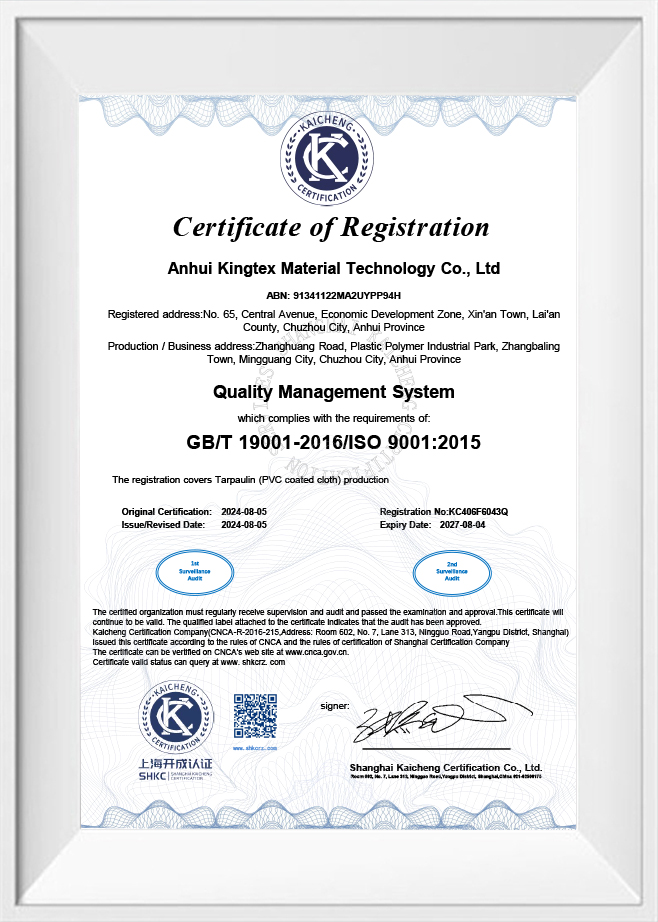
A membrane project depends on consistent coating and lacquer work, so the production base matters as much as the specification. Anhui Kingtex Material Technology Co., Ltd. works as a China PVC fabric waterproof manufacturer and stretch PVC fabric factory. Its range covers architectural membranes, PVC tarpaulins, PVC inflatable fabrics, mesh fabrics, biogas membranes, knife-coated fabrics, disaster prevention nets and intelligent luminescent materials.
The company operates PVC cold lamination, hot lamination and coating equipment and a full set of testing instruments, supported by a dedicated R&D team. For buyers searching for an Acrylic Coated PVC Architectural Membrane Fabric Factory or an architectural membrane fabric manufacturer, this means coating, lamination and testing can be discussed in one place, including OEM and custom color needs. Customers from all sectors are welcome to visit the facility for tours and business talks.
A planned care rhythm keeps the surface of an acrylic coated membrane clean and helps detect small issues early. The step chart below shows a simple yearly pattern for a roof exposed to normal weather.
The step line holds at level one for most months, which means a simple visual check from ground level or a safe access point. Two peaks mark the full wash visits in spring and autumn, when the surface is cleaned and seams, edges and fixings are inspected. Spring cleaning removes winter dust and pollen, while autumn cleaning clears summer deposits before the wet season. A short rinse at level two in March and September links the two seasons and prevents deposits from drying hard. Sites near roads, coasts or factories may need more visits, and quiet rural sites may need fewer. The chart is a planning aid, and the owner should adapt it to the local environment and to supplier care notes.
It is a polyester scrim coated with PVC on both faces and finished with an acrylic lacquer on the outer side. The PVC body seals and welds, and the acrylic layer protects the surface.
The acrylic face is smoother and more closed, which helps the surface shed dust and handle sun and rain exposure more evenly over time.
Yes, panels are joined by high frequency or hot air welding. The seam zone is prepared so that the weld forms between PVC layers.
Tensile roofs, walkway and parking canopies, pavilions, facade skins and translucent hall roofs are common uses.
Useful details include structure type, span, weight class, color, translucency, roll width, site climate and any panel layout drawings.
A visual check each month and a full wash in spring and autumn suit many sites. Roads, coasts and industrial areas may call for a shorter interval.

We warmly welcome customers from home and abroad to visit our factory, negotiate cooperation, and create a bright future together.
Copyright ©Anhui Kingtex Material Technology Co, Ltd. All Rights Reserved. Wholesale Acrylic Coated PVC Architectural Membrane Fabric Factory
