 English
 русский
 Français
 Español
 عربى
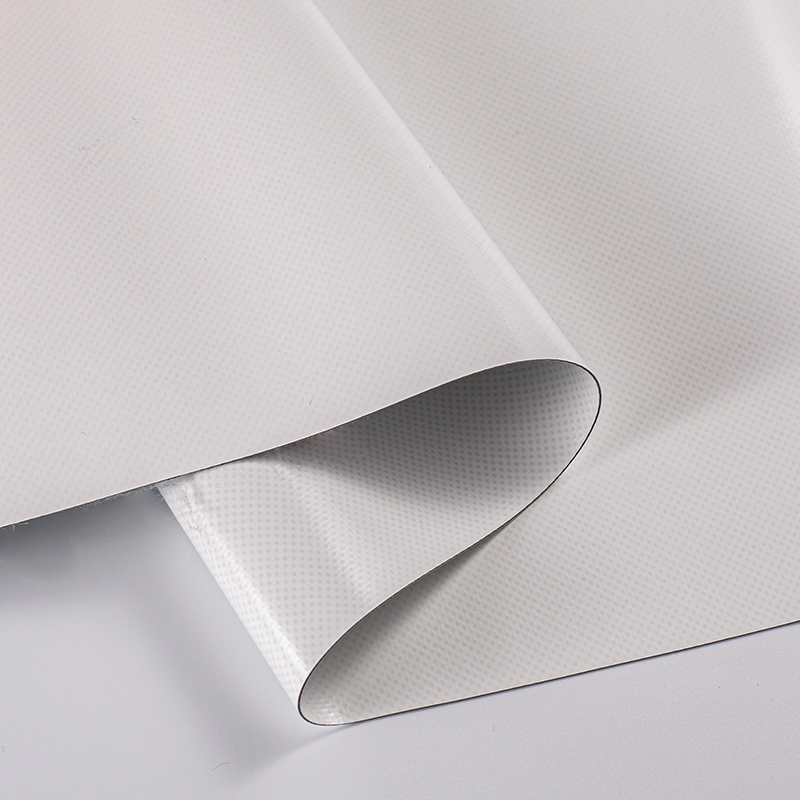
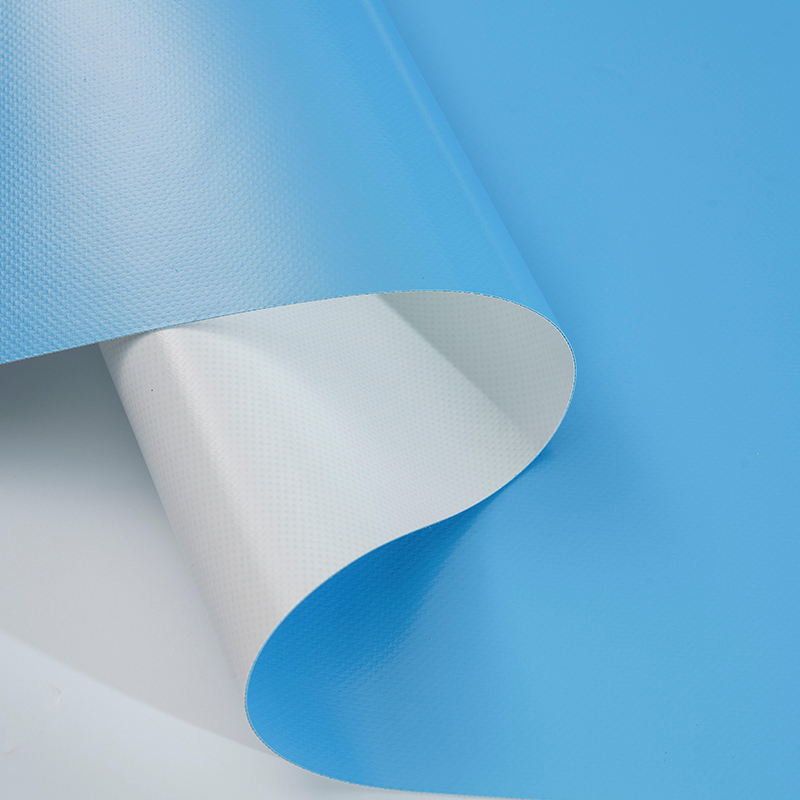
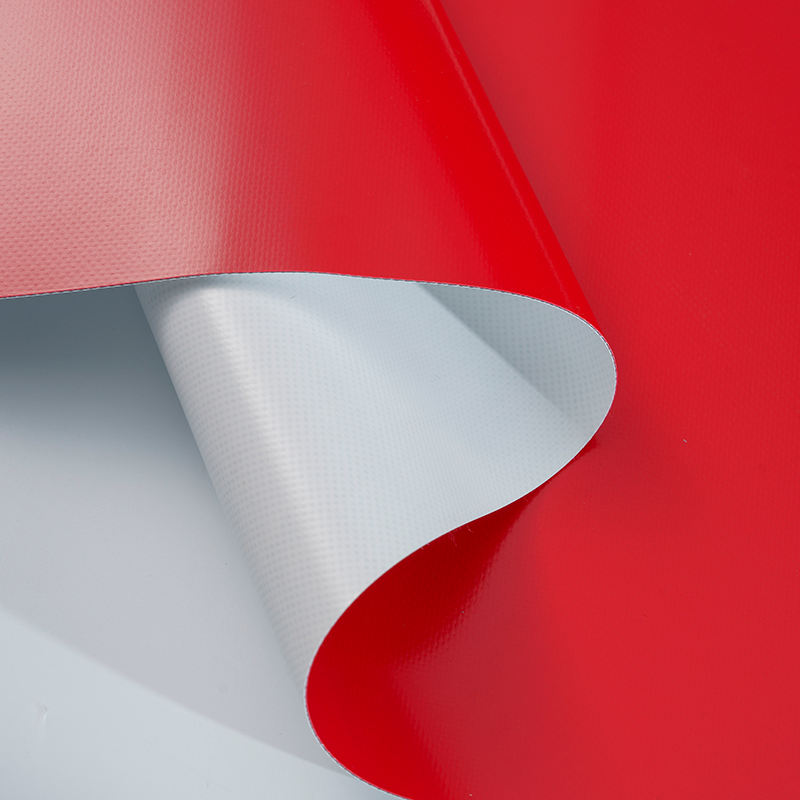
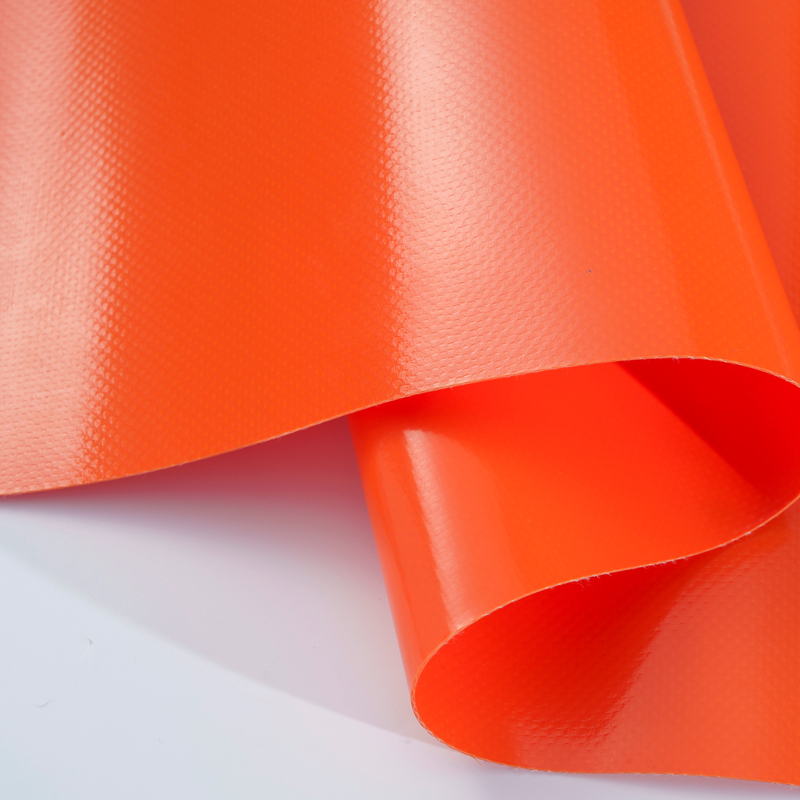
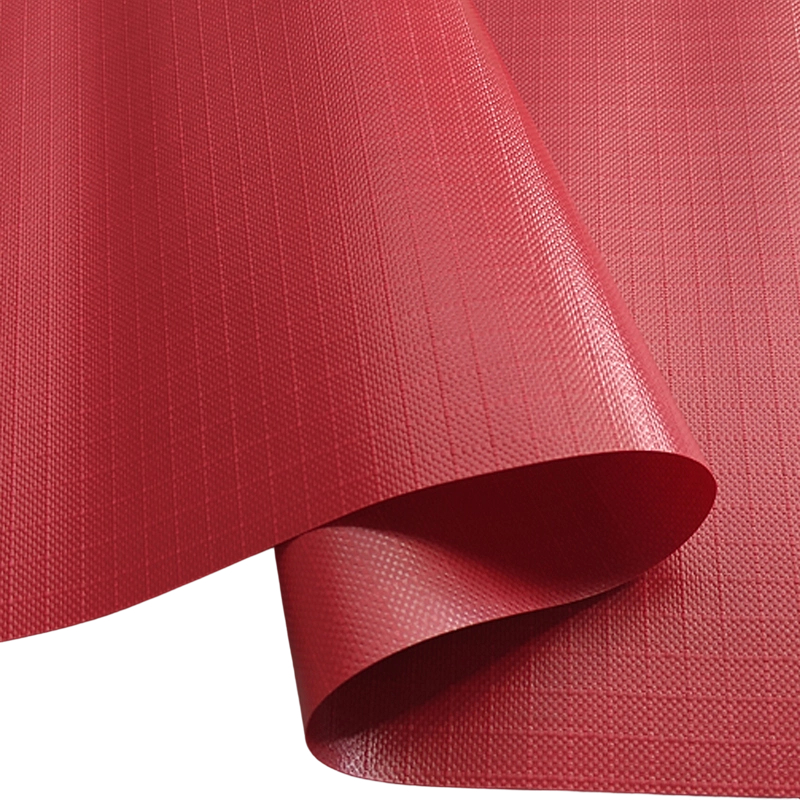
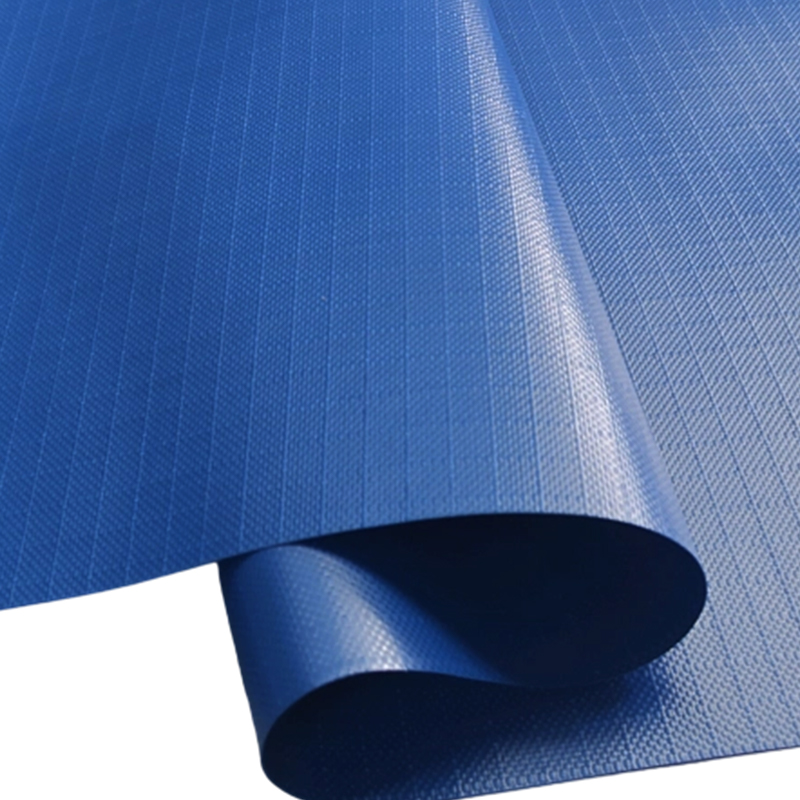
What is PVC Coated Tent Fabric Waterproof Flame Retardant?
It is a polyester scrim coated with PVC on both faces, with a flame retardant compound added to the coating. It is made for tents that need rain protection and slower flame spread.

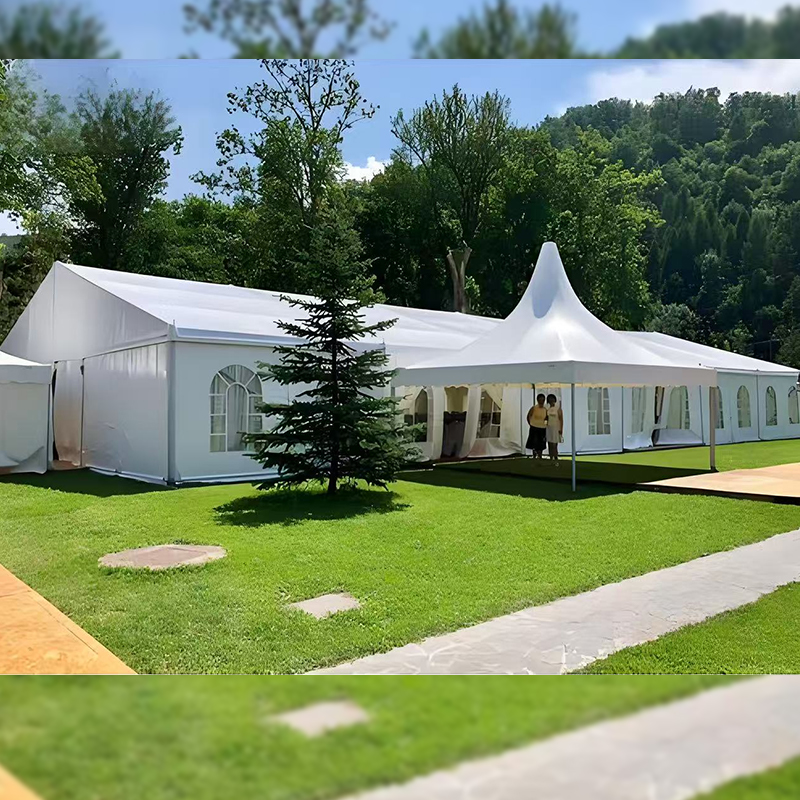
Product Overview
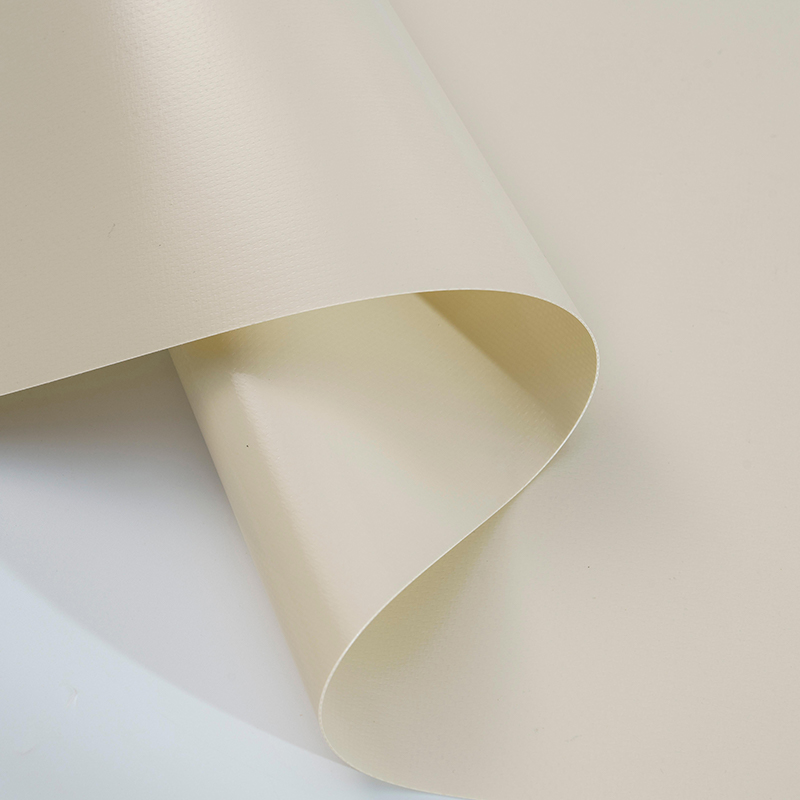
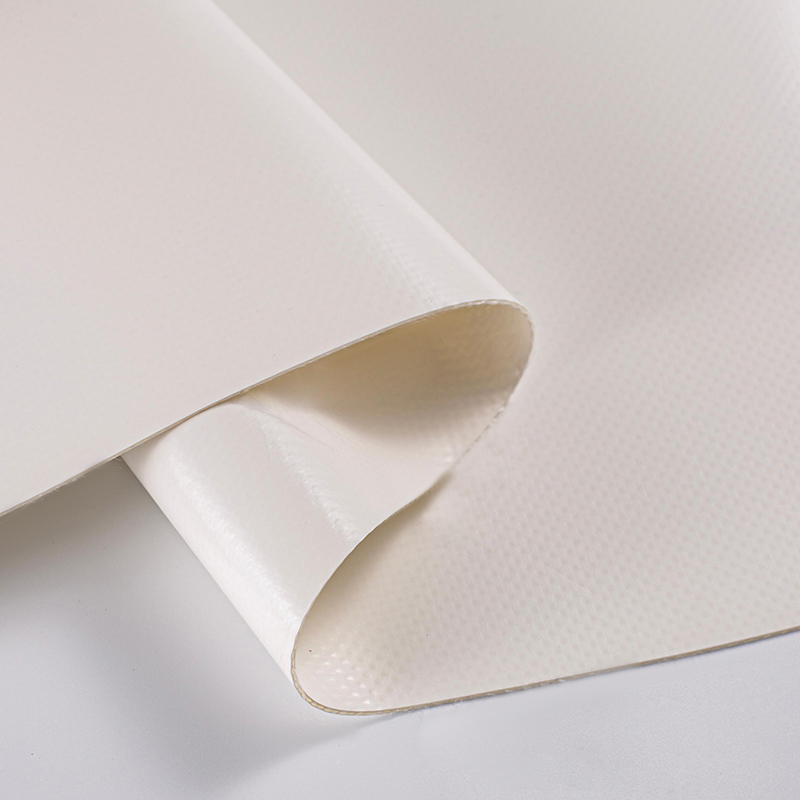
The high-performance PVC Coated Tent Fabric Waterproof Flame Retardant is made of 100% polyester fiber base fabric, treated with double-sided PVC coating, offering excellent waterproof and flame-retardant performance, suitable for various outdoor coverings and temporary building needs.
| PVC Coated Tent Fabric Waterproof Flame Retardant | |||
| Test Items | Unit | Value | Test Method |
| Support Cloth | -- | 100% Polyester | DIN 6000 |
| Type of Coating | -- | PVC coated on both sides | -- |
| Width | -- | UP TO 3.2m | ( DIN EN ISO 2286-1) |
| Total Weight | g/m2 | 650 | DIN EN ISO 2286-2 |
| Yarn | D | 1000 X 1000 | DIN EN ISO 2060 |
| Specification | inch(plain weave) | 20 X 20 | DIN EN 1049-2 |
| Tensile strength | N/5cm | Warp2600 | DIN 53354 |
| Weft 2300 | |||
| Tear strength | N/5cm | Warp 280 | DIN 53356 |
| Weft 270 | |||
| Adhesion Strength | N/5cm | 110 | ASTM D 751-2000 |
| Lacquer | Acrylic or PVDF | ||
| Flame Retardant | B1,B2,NFPA-701 B-S2,do | ||
Product Features
Material: 100% polyester base fabric, tough and durable
Coating: Double-sided PVC coating, enhancing waterproof performance
Width: Up to 3.2 meters, suitable for large-area coverage
Weight: 650 g/m², balancing strength and portability
Strength: Tensile strength in warp/weft directions: 2600/2300 N/5cm; tear strength in warp/weft directions: 280/270 N/5cm
Additional Performance: Adhesion 110 N/5cm, wear-resistant; optional acrylic or PVDF coating
Flame Retardant Rating: B1, B2, compliant with NFPA-701 B-S2 standard
Applications
Suitable for outdoor tents, sunshades, waterproof tarpaulins, temporary storage, emergency rescue, and other scenarios requiring waterproof and flame-retardant protection.


PVC Inflatable Fabric, PVC Cover Material and PVC Mesh Fabric: A Practical Guide for B2B Buyers PVC inflatable fabric, PVC cover material and PVC mesh fabric share the same polyester-and-PVC foundation, but each is specified for a different job: airtightness and weld strength fo...
READ MOREArchitectural Membrane Fabric, PVC Tent Fabric and Truck Cover & Side Curtains Fabric: A Practical Selection Guide Architectural membrane fabric, PVC tent fabric and truck cover & side curtains fabric are all polyester base cloths coated with PVC, but each is tuned to a ...
READ MOREPVC Fabric Product Guide: How to Select the Right Material for Structures, Covers, Inflatables and Industrial Use A PVC fabric product performs reliably when four decisions are made in the right order: the base cloth construction, the coating weight, the topcoat finish, and the ...
READ MOREPVC Coated Tent Fabric Waterproof Flame Retardant is a coated textile made for temporary and semi-permanent shelters. A polyester scrim carries the load, and PVC coatings on both faces seal the textile against rain and wind driven water. A flame retardant compound is blended into the coating, which slows flame spread when the fabric meets a heat source. The sheet can be cut, welded and fitted to frames, so it suits a wide range of tent sizes and shapes.
A tent protects people, goods and equipment, so it must keep water out and must behave carefully near lamps, heaters and cooking points. Waterproofing is a matter of a continuous coating film and tight seams. Flame retardancy is a matter of coating formulation. When both are built into one fabric, event organizers, storage operators and site managers can specify a single material for covers, sidewalls and roofs. Actual flame behavior depends on the compound and the build, so each fabric should be checked by testing before it is used.
The sections below explain the structure, the way each property works, common types, selection steps and care routines for PVC Coated Tent Fabric Waterproof Flame Retardant.
Water resistance comes from a closed PVC film on both faces of the scrim. The film leaves no open pores, so water stays on the surface and runs off. Weak points are usually seams, cut edges and fixing holes, which is why tent fabric is welded rather than only sewn. A welded seam fuses the coating of two panels into one continuous layer, and cut edges can be sealed or hemmed to limit water entry.
PVC contains chlorine, which tends to limit flame spread compared with many other coating polymers. Flame retardant additives strengthen this behavior by interrupting the burning process at the surface. The result is a fabric that is designed to resist spreading a flame once the heat source is removed. This does not make the fabric fireproof, and tents should always be kept clear of open flames and hot equipment.
The Venn diagram shows three properties that a tent fabric must combine in one sheet. The left circle stands for waterproof sealing, which depends on coating film and seam quality. The right circle stands for flame retardant formulation, which depends on the compound used in the coating. The bottom circle stands for easy handling, which covers weight, flexibility and the ability to fold and weld the fabric. Only the central area where all three meet gives a usable tent fabric, so a strong result in one circle cannot make up for weakness in another. A factory that coats, laminates and tests in one place can balance the three circles within a single specification.
Buyers weigh several properties at once. The treemap below shows how planning attention is usually divided among five topics, with the largest rectangle marking the largest share.
Waterproof sealing takes the largest block, because a tent that leaks fails its basic purpose. Flame retardant formulation takes the second largest block, since tents often sit near lighting, heating and electrical equipment. Tear and tensile strength comes third, as wind loads and tie down points place steady stress on the scrim. Seam weldability and UV and color stability take smaller blocks, yet both affect how long the tent stays sealed and presentable. The shares are a planning illustration, and each buyer should reorder them according to the use, the climate and the local rules for temporary structures.
PVC Coated Tent Fabric Waterproof Flame Retardant is made in several weight classes and finishes. The table lists the types most often discussed with tent makers.
| Type | Construction Note | Characteristics | Typical Use |
|---|---|---|---|
| Light weight class | Lighter scrim, thinner coating | Easy to carry and fold | Market stalls, small canopies |
| Medium weight class | Balanced scrim and coating | Good strength and handling | Event and exhibition tents |
| Heavy weight class | Strong scrim, thick coating | High tear and load capacity | Warehouse and site tents |
| Translucent grade | Light colored coating | Diffuses daylight inside | Dining and display tents |
| Knife-coated grade | Blade applied PVC paste | Even film, soft hand feel | Tents with tight folds |
The parallel line chart reads across four properties, with one line for each weight class. The heavy class line starts high on waterproofing and tear strength, because a thicker coating and stronger scrim add sealing depth and load capacity. The same line drops on light handling, since a heavier sheet takes more effort to fold and carry. The light class line shows the opposite pattern, with the best handling and a more modest result on strength. The medium class line runs flat through the middle, which reflects a balanced build for general event use. Flame retardant results stay close across the three lines because the compound is adjusted for each build rather than depending on weight alone. The chart is a planning aid, and technical data sheets should confirm the exact values.
Waterproof and flame retardant tent fabric appears wherever a temporary or semi-permanent cover meets rain, crowds or heat producing equipment.
A tent fabric order moves through several stages, from the first discussion to the day the tent is in use. The timeline shows where selection decisions sit along that path.
The first milestone fixes the specification, including weight class, color and the flame retardant requirement of the project. Sample trials follow, which allow the buyer to check welding, folding and surface feel before ordering in volume. Cutting and welding then turn the fabric roll into finished tent panels. Site set up and tensioning decide whether the roof drains water properly and the walls stay taut in wind. Seasonal inspection catches worn seams and fixings, and cleaning and storage protect the tent between uses. Decisions made at the first two milestones have the largest effect on everything that comes after them.
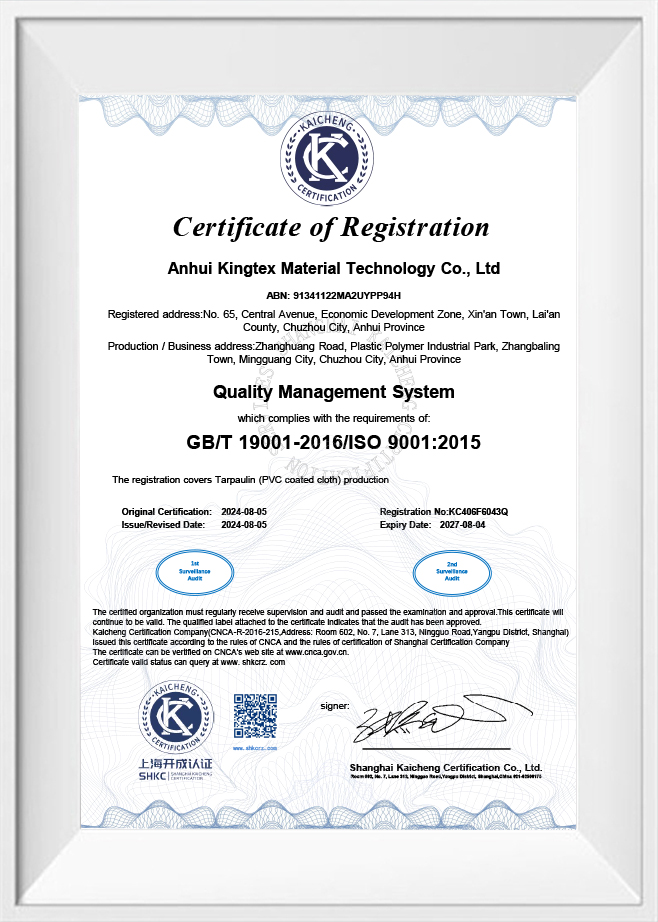
A tent fabric order depends on a coating compound that stays consistent from the first roll to the last. Anhui Kingtex Material Technology Co., Ltd. works as a China PVC fabric waterproof manufacturer and stretch PVC fabric factory. Its range covers architectural membranes, PVC tarpaulins, PVC inflatable fabrics, mesh fabrics, biogas membranes, knife-coated fabrics, disaster prevention nets and intelligent luminescent materials.
The company operates PVC cold lamination, hot lamination and coating equipment, together with a full set of testing instruments and a dedicated R&D team. For buyers searching for a PVC Coated Tent Fabric Waterproof Flame Retardant Factory or a tent fabric manufacturer, this means coating, lamination and testing can be reviewed in one place, including OEM, custom color and roll width requests. Customers from all sectors are welcome to visit the facility for tours and business talks.
Good care keeps the coating film intact, and an intact film keeps both waterproofing and flame retardant behavior working as designed.
It is a polyester scrim coated with PVC on both faces, with a flame retardant compound added to the coating. It is made for tents that need rain protection and slower flame spread.
No. Flame retardant fabric is designed to slow flame spread, but it can still be damaged by strong or sustained heat. Tents should be kept away from open flames and hot equipment.
Panels are joined by high frequency or hot air welding, which fuses the coatings into one continuous layer. Cut edges are hemmed or sealed to limit water entry.
A medium weight class balances strength and handling for many event tents. Heavier classes suit exposed or long term sites, and lighter classes suit small canopies.
Useful details include tent type, size, weight class, color, translucency, roll width, flame retardant requirement and the climate of the site.
Clean and dry the fabric, fold it loosely, and keep it in a dry place away from sharp objects, oils and heat sources.

We warmly welcome customers from home and abroad to visit our factory, negotiate cooperation, and create a bright future together.
Copyright ©Anhui Kingtex Material Technology Co, Ltd. All Rights Reserved. Wholesale PVC Coated Tent Fabric Waterproof Flame Retardant Factory
