 English
 русский
 Français
 Español
 عربى
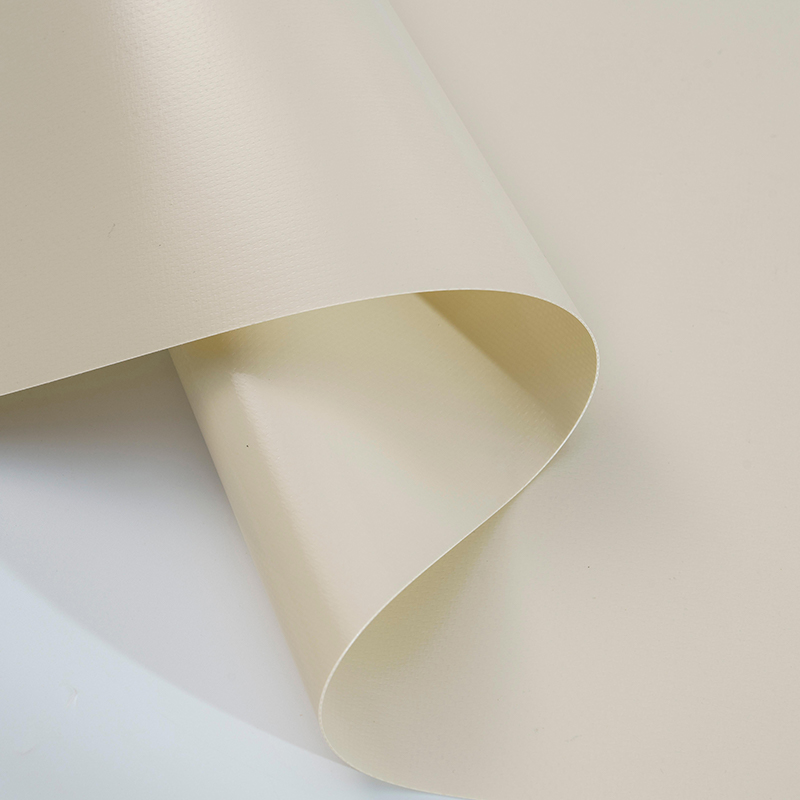
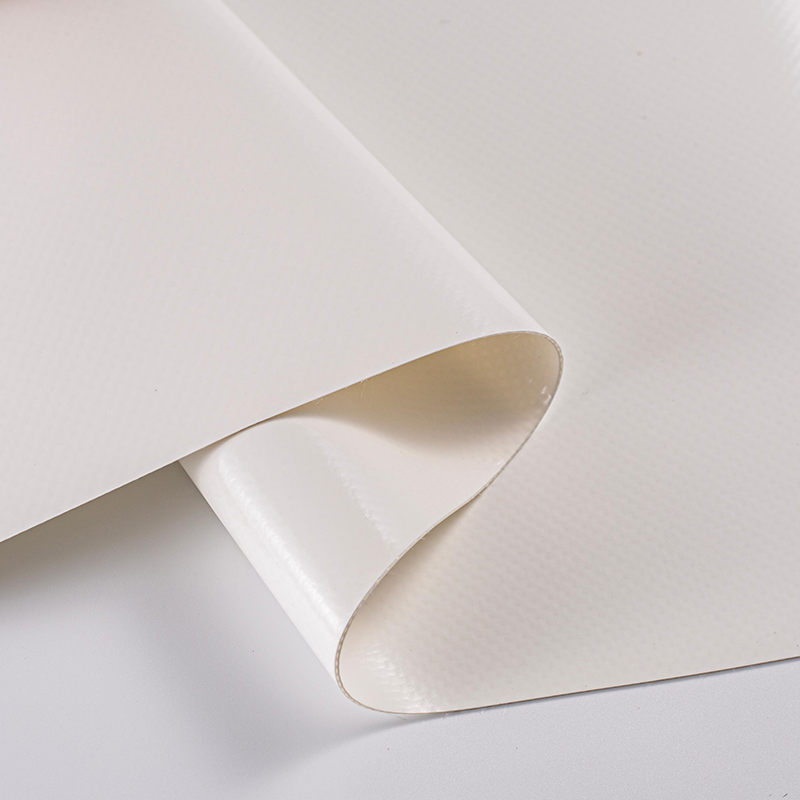
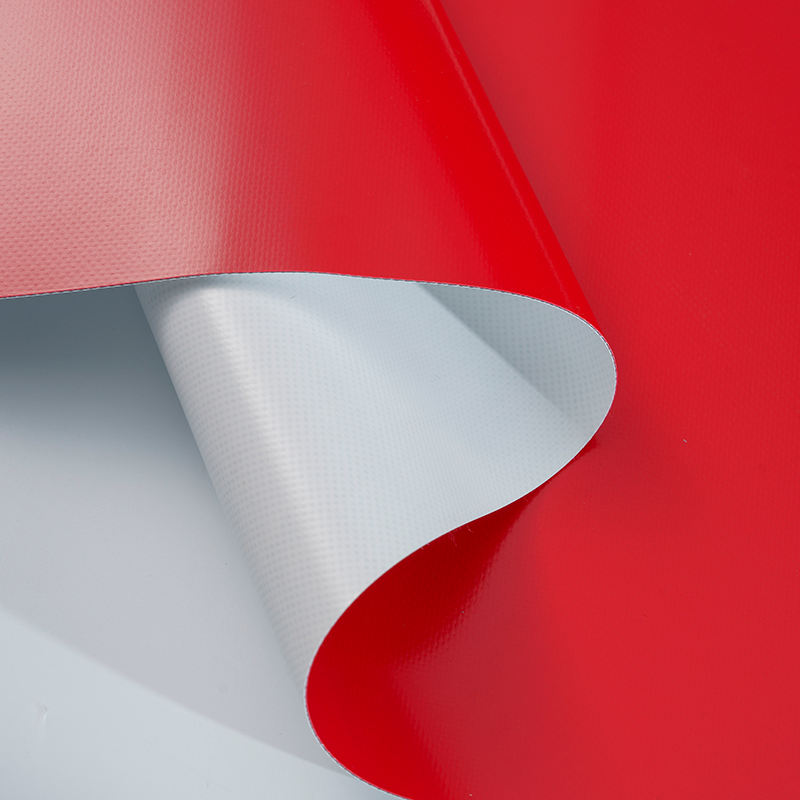
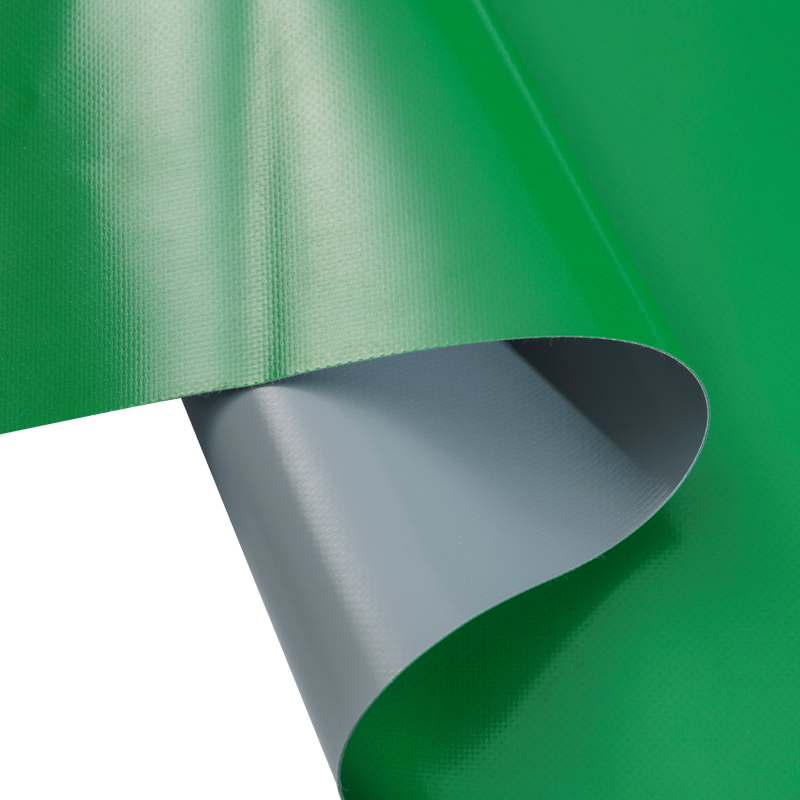
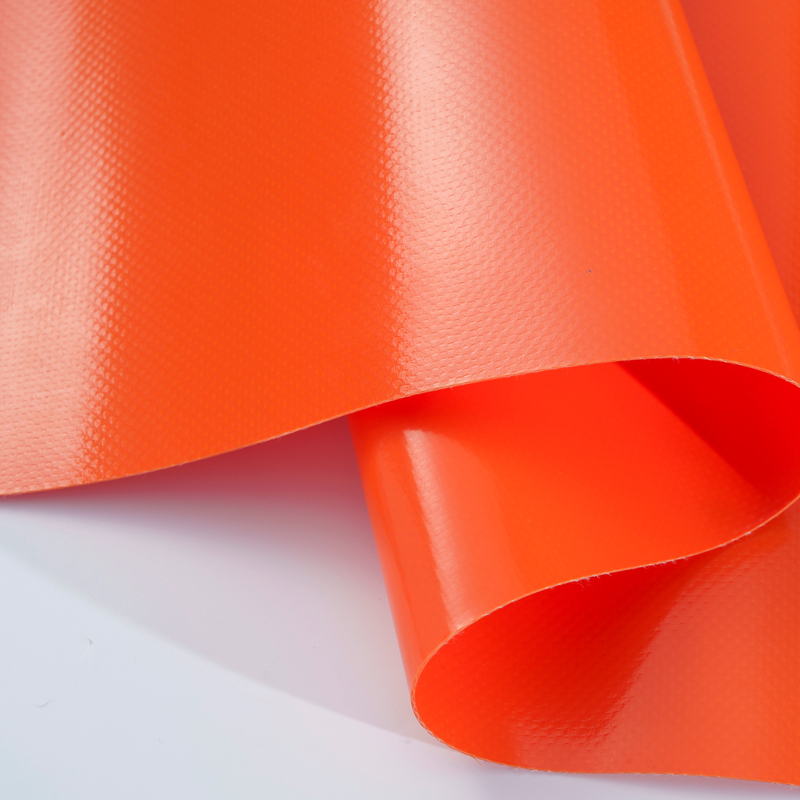
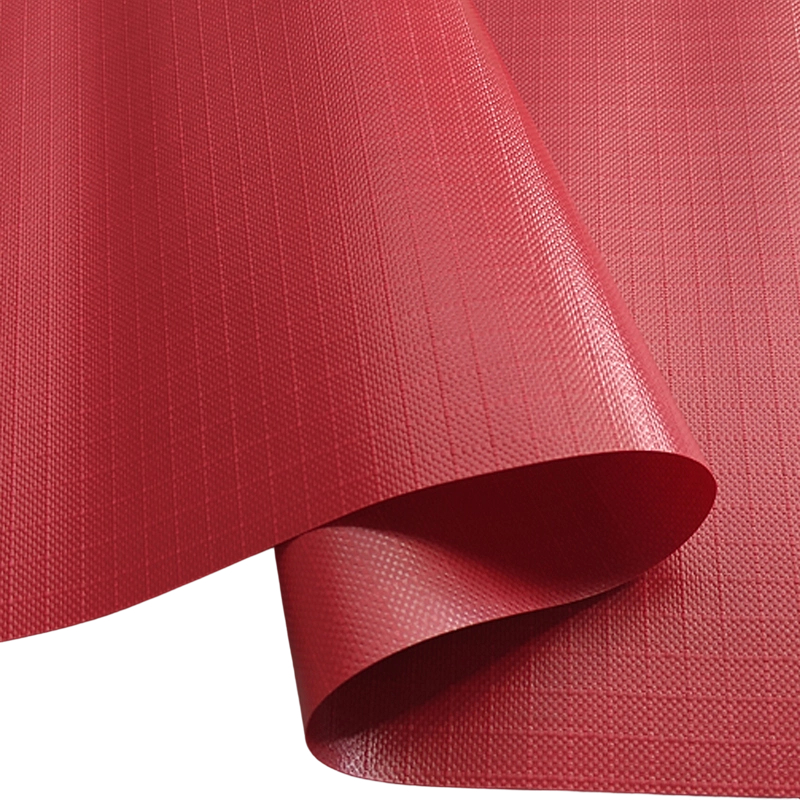
What is Durable PVC Tent Fabric Acrylic Coated?
It is a polyester scrim coated with PVC on both faces and finished with an acrylic lacquer on the outer side. It is made for tents that stand outdoors and are raised many times.

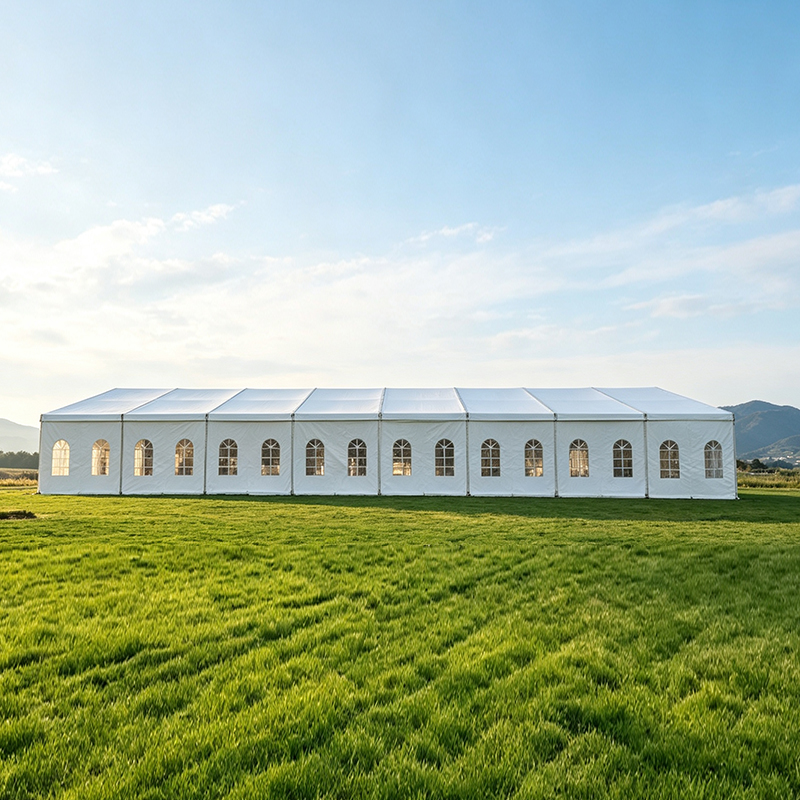
Product Overview
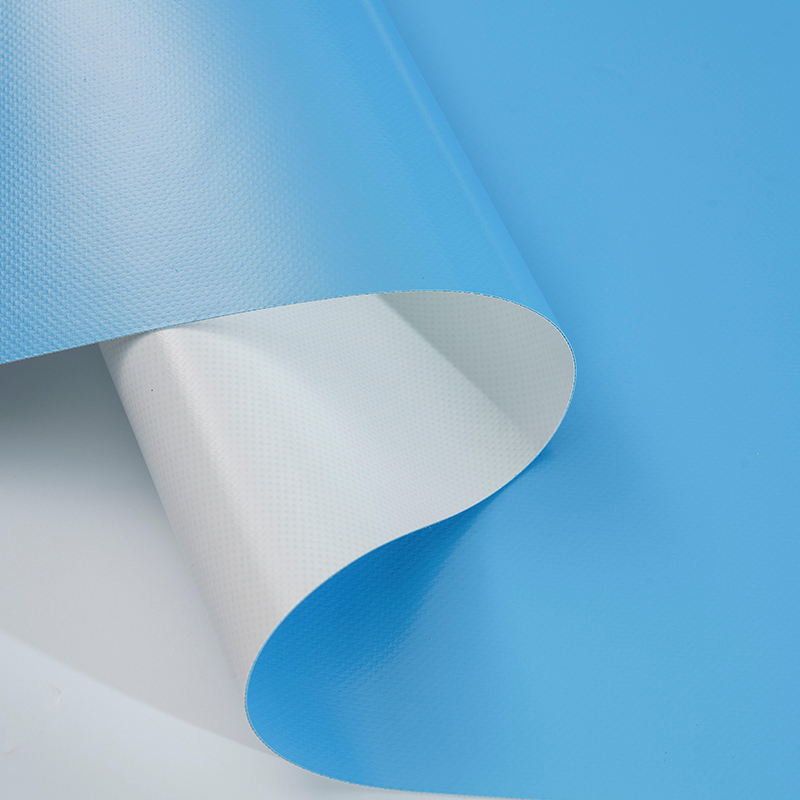
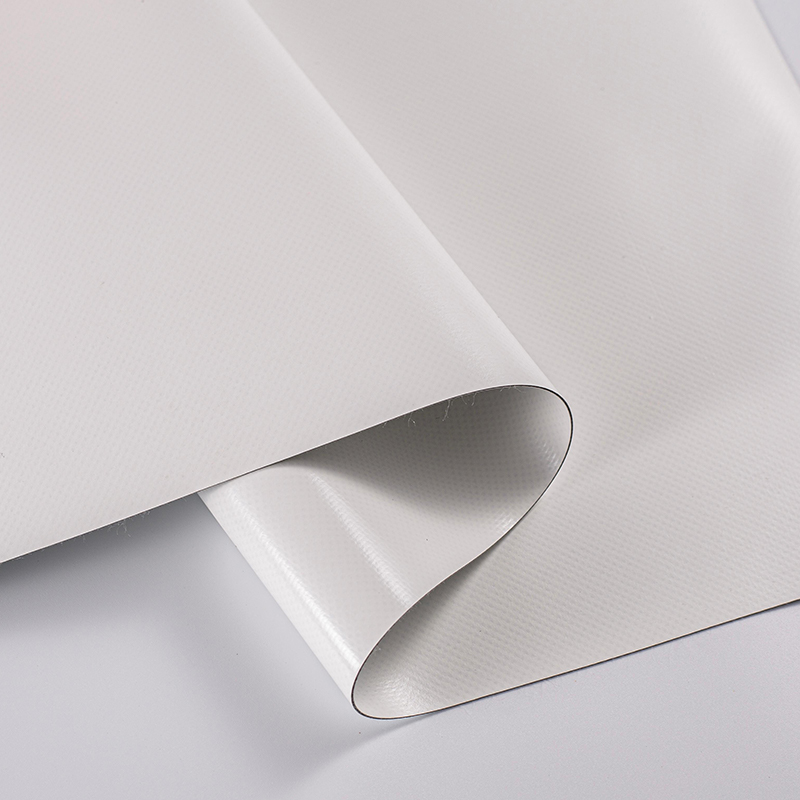
The Durable PVC Tent Fabric Acrylic Coated is made of high-density polyester with double-sided PVC coating. It is thickened for weight and specially designed for long-term outdoor use, combining waterproof, flame-retardant, and wear-resistant performance.
| Durable PVC Tent Fabric Acrylic Coated | |||
| Test Items | Unit | Measured Value | Test Method |
| Support Cloth | -- | 100% Polyester | DIN 6000 |
| Type of Coating | -- | PVC coated on both sides | -- |
| Width | -- | UP TO 3.2m | ( DIN EN ISO 2286-1) |
| Total Weight | g/m2 | 850 | DIN EN ISO 2286-2 |
| Yarn | D | 1000 X 1000 | DIN EN ISO 2060 |
| Specification | inch(plain weave) | 23 X 23 | DIN EN 1049-2 |
| Tensile strength | N/5cm | Warp 3200 | DIN 53354 |
| Weft 3000 | |||
| Tear strength | N/5cm | Warp 330 | DIN 53356 |
| Weft290 | |||
| Adhesion Strength | N/5cm | 110 | ASTM D 751-2000 |
| Lacquer | Acrylic or PVDF | ||
| Flame Retardant | B1,B2,NFPA-701 B-S2,do | ||
Product Features
Material: 100% polyester base fabric, high-density weave, highly durable
Coating: Double-sided PVC coating, optional acrylic or PVDF, enhancing anti-aging performance
Fabric Width: Up to 3.2 meters, suitable for large-area coverage
Weight: 850 g/m², thickened fabric suitable for heavy-duty applications
Mechanical Performance:
Tensile Strength: Warp 3200 N/5cm, Weft 3000 N/5cm
Tear Strength: Warp 330 N/5cm, Weft 290 N/5cm
Adhesion: 110 N/5cm
Flame Retardant Performance: B1, B2 grades, compliant with NFPA-701 B-S2 standard
Applications
Suitable for heavy-duty outdoor tents, sunshades, protective tarpaulins, storage tents, and other long-term outdoor facilities requiring durability, waterproofing, and flame resistance.
PVC Inflatable Fabric, PVC Cover Material and PVC Mesh Fabric: A Practical Guide for B2B Buyers PVC inflatable fabric, PVC cover material and PVC mesh fabric share the same polyester-and-PVC foundation, but each is specified for a different job: airtightness and weld strength fo...
READ MOREArchitectural Membrane Fabric, PVC Tent Fabric and Truck Cover & Side Curtains Fabric: A Practical Selection Guide Architectural membrane fabric, PVC tent fabric and truck cover & side curtains fabric are all polyester base cloths coated with PVC, but each is tuned to a ...
READ MOREPVC Fabric Product Guide: How to Select the Right Material for Structures, Covers, Inflatables and Industrial Use A PVC fabric product performs reliably when four decisions are made in the right order: the base cloth construction, the coating weight, the topcoat finish, and the ...
READ MOREDurable PVC Tent Fabric Acrylic Coated is a tent textile built from a polyester scrim, PVC coatings on both faces and an acrylic lacquer on the outer surface. The scrim carries tension, the PVC layers seal the fabric and allow welded seams, and the acrylic layer works as a protective skin against dust, sun and rain. The combination is chosen for tents that are set up many times and stay outdoors for long periods.
A tent roof meets weather on its outer face every day, so that face wears first. Sun hardens plastic, dust settles in surface texture, and repeated washing can dull an unprotected coating. An acrylic top coat closes the surface and slows these effects, which helps the fabric keep a clean look and a flexible feel between seasons. Buyers who ask a Durable PVC Tent Fabric Acrylic Coated Factory about durability therefore often start with the surface system and then move to scrim weight and seam design.
The sections below look at the surface in close detail, compare surface systems, explain what wears a tent fabric, list common types and set out selection and care steps.
The schematic shows two surface profiles at high magnification. The upper profile is a plain PVC face, where small peaks and valleys give dust and moisture places to settle. The lower profile is an acrylic coated face, where a thin film smooths the profile and closes the valleys. Grey dots mark airborne dirt, and fewer dots rest on the smoother face. The dark line on the acrylic profile represents the lacquer skin that faces sun and rain. A smoother skin is easier to rinse and tends to keep the tent looking even in color between cleaning visits. The drawing is a concept view, and real surfaces vary with formulation and application method.
Knife coating spreads PVC paste on the scrim with a blade and gels it in an oven. Hot lamination fuses pre-made PVC film to the scrim under heat and pressure. Cold lamination bonds film and scrim with an adhesive system at lower temperature. After the PVC body is formed, the acrylic lacquer is applied to the outer face and dried. The chosen route changes hand feel, thickness control and flexibility, so a factory matches it to the tent size and the climate of use.
Tent panels are joined by high frequency or hot air welding, which fuses the coating of overlapping edges into one layer. On lacquered fabric the seam zone is prepared so that the weld forms between PVC layers, and finished seams are checked for width and fusion.
Tent fabric can carry different surface systems. The gauges below rate soiling resistance for three common choices on a scale of zero to ten.
Each gauge is a half circle, and the colored arc shows how much of the scale a surface system reaches. Plain PVC fills about half the arc, because its open texture holds dust and shows streaks after repeated rain. Acrylic coated PVC fills most of the arc, which reflects its smoother film and easier rinsing. A PVDF lacquered surface reaches slightly further and is usually chosen for demanding industrial or long term sites. For most tents that stay outdoors across seasons, the acrylic system offers a practical balance between surface protection and handling. The values are a general guide and should be confirmed with sample trials and the fabric data sheet.
| Item | Plain PVC | Acrylic Coated | PVDF Lacquered |
|---|---|---|---|
| Surface character | Open PVC face | Closed acrylic film | Fluoropolymer film |
| Dirt behavior | Holds dust | Rinses easily | Rinses readily |
| Color tone | May dull over time | Holds tone more evenly | Holds tone over long exposure |
| Hand feel | Soft | Soft to slightly firm | Slightly firmer |
| Typical tent use | Short term covers | Seasonal and repeated use | Long term industrial sites |
Durability is not one property but the result of several wear sources acting together. The lollipop chart ranks five common sources by how strongly they usually affect a tent fabric.
UV exposure sits at the top of the list, because sunlight acts on the outer face for every hour a tent stands. This is the wear source that an acrylic top coat addresses most directly. Moisture trapped in storage ranks second, since a damp fold can leave marks and encourage mildew on the surface. Repeated folding creases come next, and they matter most for tents that are packed after each event. Abrasion at frame contacts and chemical contact follow, and both can be reduced by padding, cleaning habits and careful choice of cleaning agents. Reading the chart in this order helps a buyer decide which design feature or care habit gives the most return for a given tent.
| Type | Construction Note | Characteristics | Typical Use |
|---|---|---|---|
| Light weight class | Lighter scrim, thin coating | Easy to fold and carry | Stalls, small canopies |
| Medium weight class | Balanced scrim and coating | Strength with good handling | Event and exhibition tents |
| Heavy weight class | Strong scrim, thick coating | High tear and load capacity | Warehouse and site tents |
| Translucent grade | Light colored coating | Diffuses daylight | Dining and display tents |
| Custom color grade | Pigmented coating, matched lots | Supports brand color | Branded and hospitality tents |
A clear brief helps a fabric supplier match the specification to the way the tent will be used.
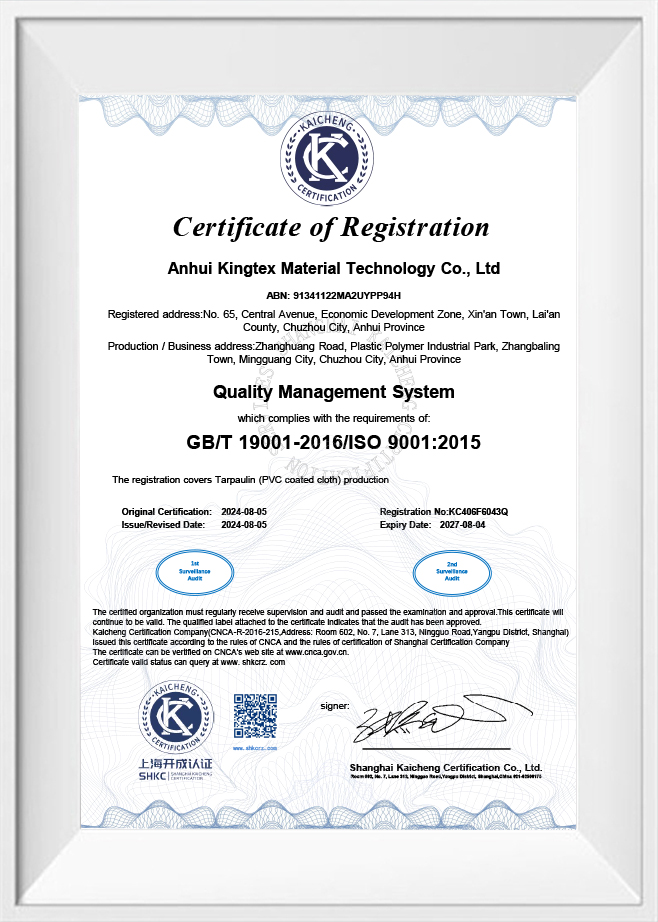
A durable surface needs consistent coating and lacquer work from the first roll to the last. Anhui Kingtex Material Technology Co., Ltd. works as a China PVC fabric waterproof manufacturer and stretch PVC fabric factory. Its range covers architectural membranes, PVC tarpaulins, PVC inflatable fabrics, mesh fabrics, biogas membranes, knife-coated fabrics, disaster prevention nets and intelligent luminescent materials.
The company operates PVC cold lamination, hot lamination and coating equipment, together with a full set of testing instruments and a dedicated R&D team. For buyers looking for a Durable PVC Tent Fabric Acrylic Coated Factory or an acrylic coated PVC tent fabric supplier, this means coating, lamination and testing can be reviewed together, including OEM, custom color and roll width requests. Customers from all sectors are welcome to visit the facility for tours and business talks.
The care schedule below spreads simple tasks across the year, so that each season has a clear job.
The Gantt style chart lays five care tasks along the four seasons. A visual check runs through the whole year and takes little time, so it is the base layer of the schedule. Rinsing is placed in summer and autumn, when dust and pollen settle on the roof most readily. The full wash appears twice, in spring and in autumn, to reset the surface before the busy season and before storage. Seam inspection takes shorter bars late in spring and late in autumn, which links it to the two full wash visits. Storage preparation fills the winter block and covers drying, folding and padding of panels. Sites near roads, coasts or factories may need more frequent visits than the chart shows.
It is a polyester scrim coated with PVC on both faces and finished with an acrylic lacquer on the outer side. It is made for tents that stand outdoors and are raised many times.
It closes the PVC surface, which helps the fabric shed dust, rinse clean and keep a more even color tone under sun and rain.
Yes. Panels are joined by high frequency or hot air welding, and the seam zone is prepared so the weld forms between the PVC layers.
Useful details include tent type and size, weight class, color, translucency, roll width, print area and the climate and storage conditions of the site.
Use clean water, mild detergent and a soft brush, then rinse fully. Avoid strong solvents and hard scrapers.
Clean and dry the fabric completely, fold it loosely, and keep it in a dry place away from sharp objects and oils.

We warmly welcome customers from home and abroad to visit our factory, negotiate cooperation, and create a bright future together.
Copyright ©Anhui Kingtex Material Technology Co, Ltd. All Rights Reserved. Wholesale Durable PVC Tent Fabric Acrylic Coated Factory
