 English
 русский
 Français
 Español
 عربى
What is 1000D 650gsm Heavy-Duty PVC Coated Fabric for Inflatables?
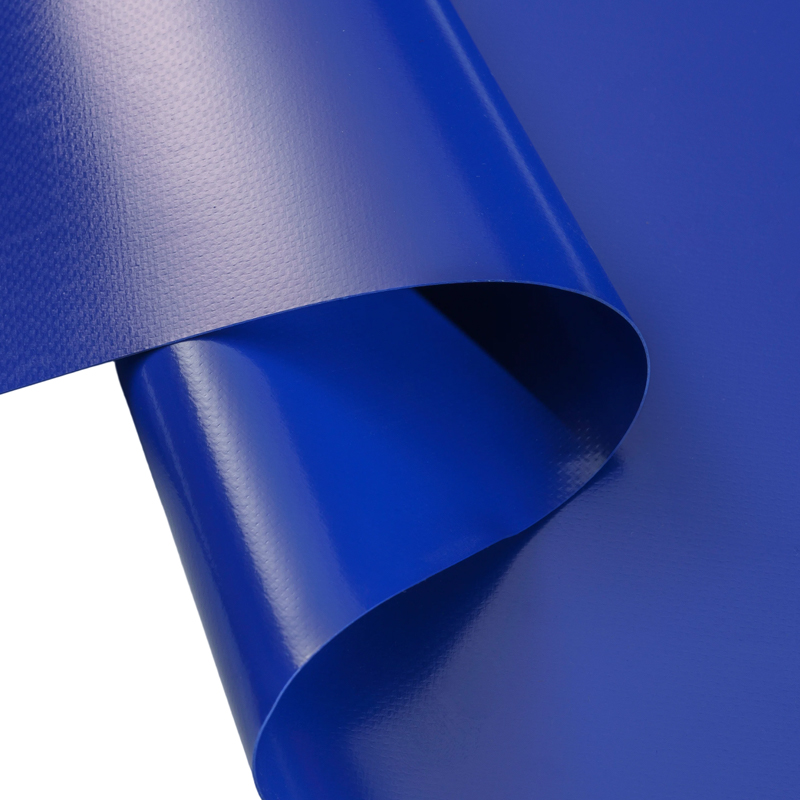
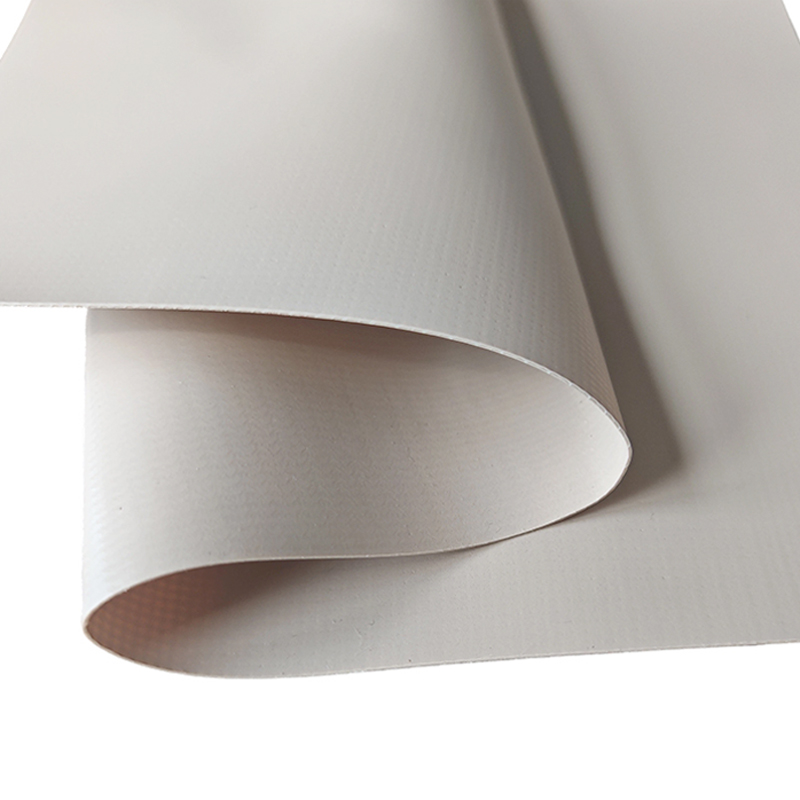
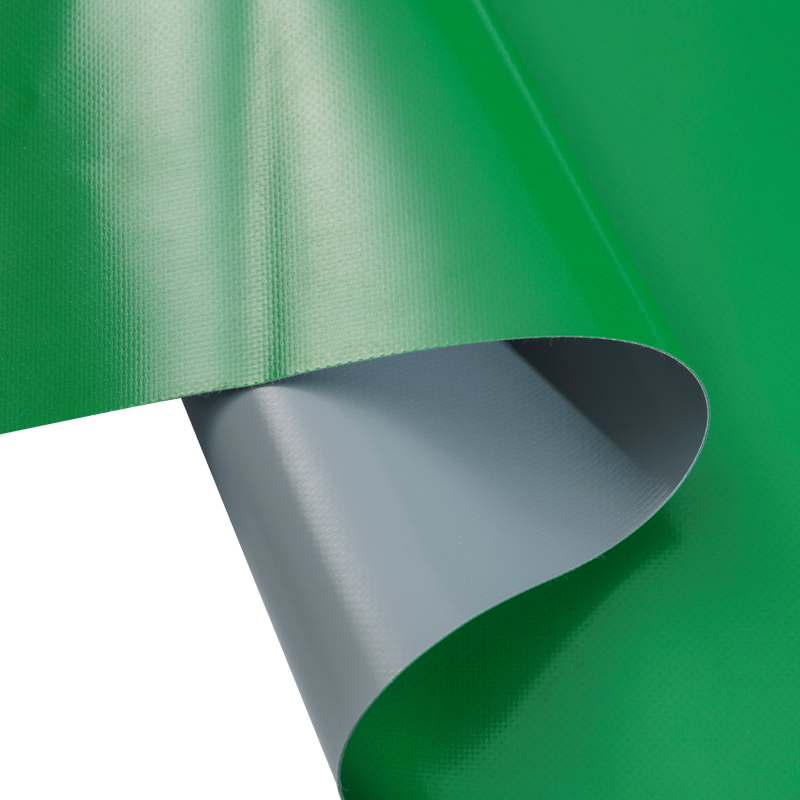
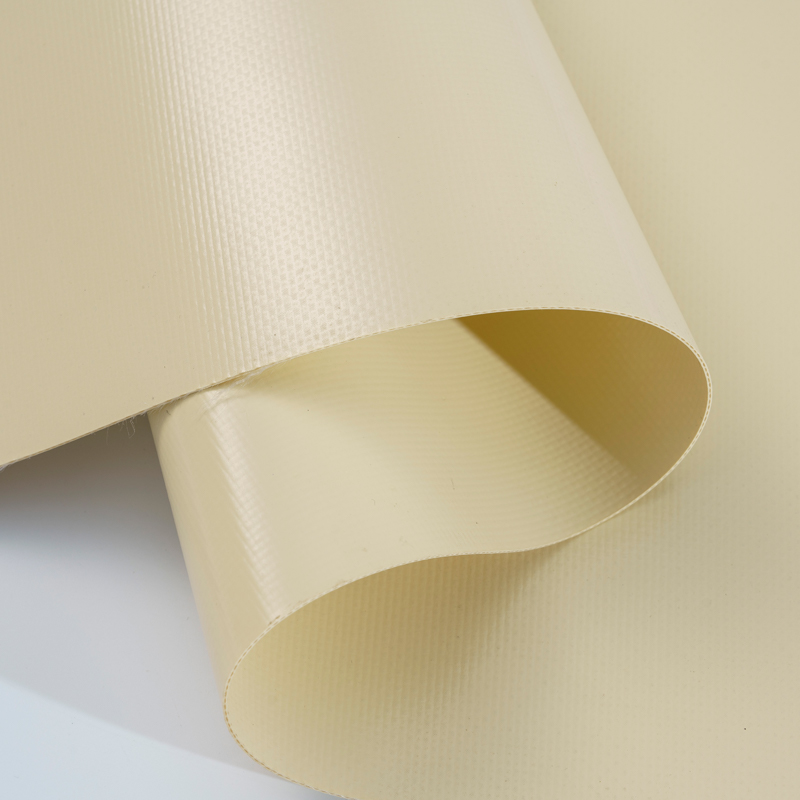
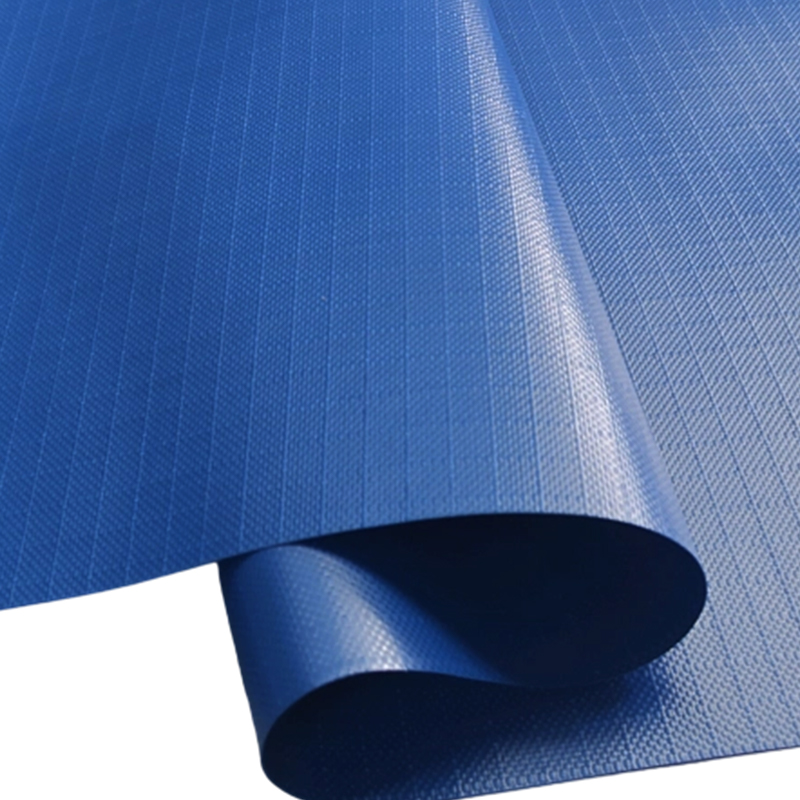
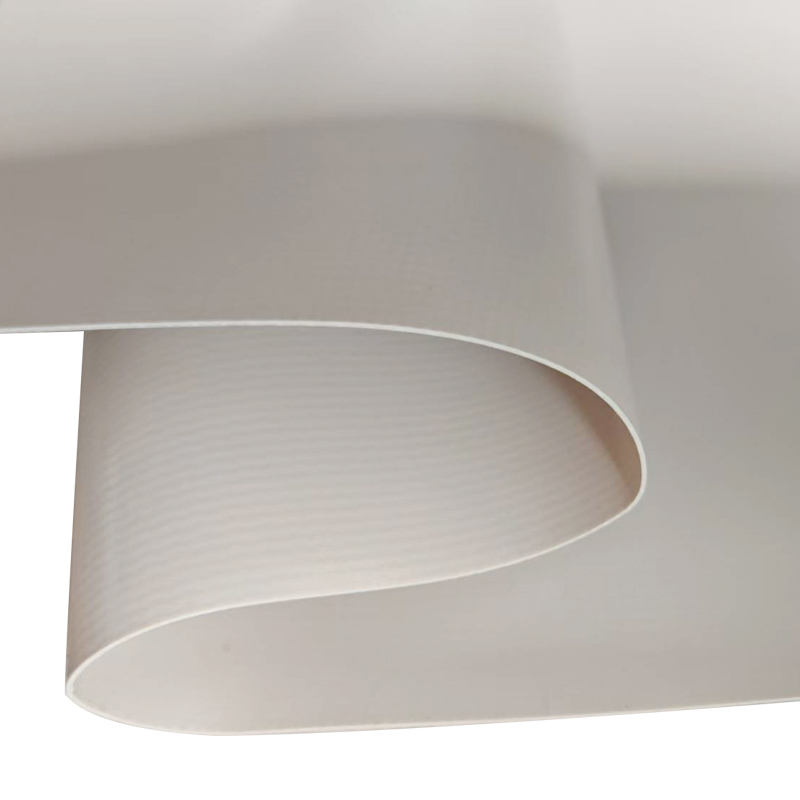
It is a woven polyester fabric with 1000 denier yarn, coated with PVC, with a finished weight of 650 grams per square meter, made for air filled products that are used hard.

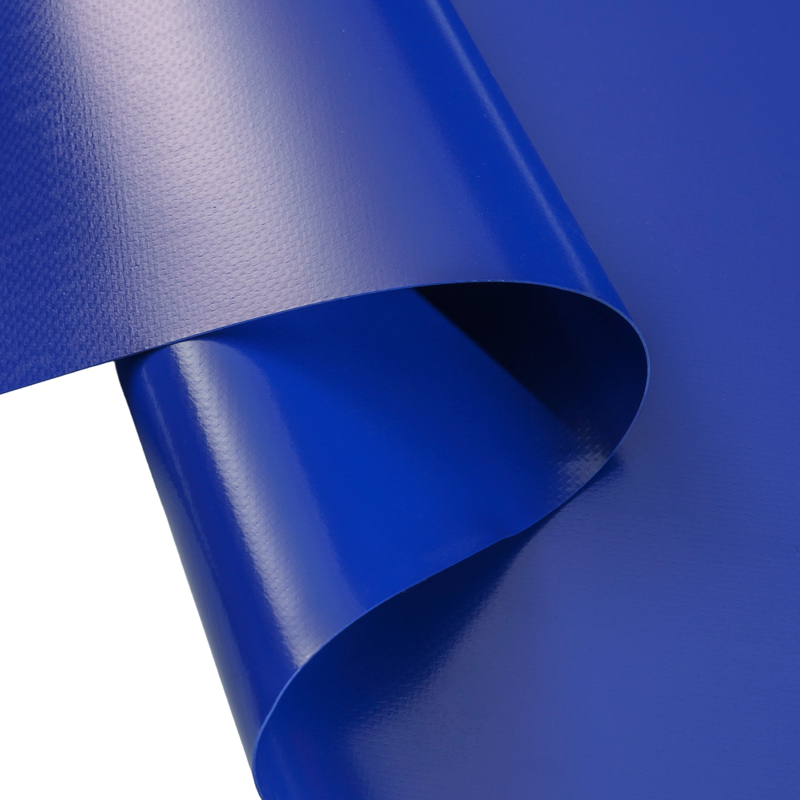
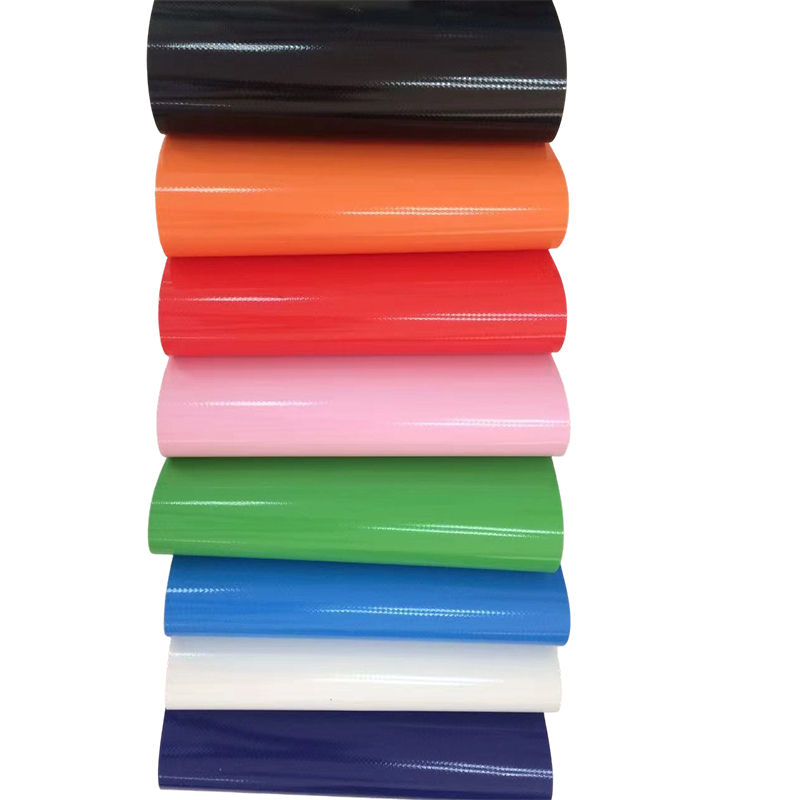
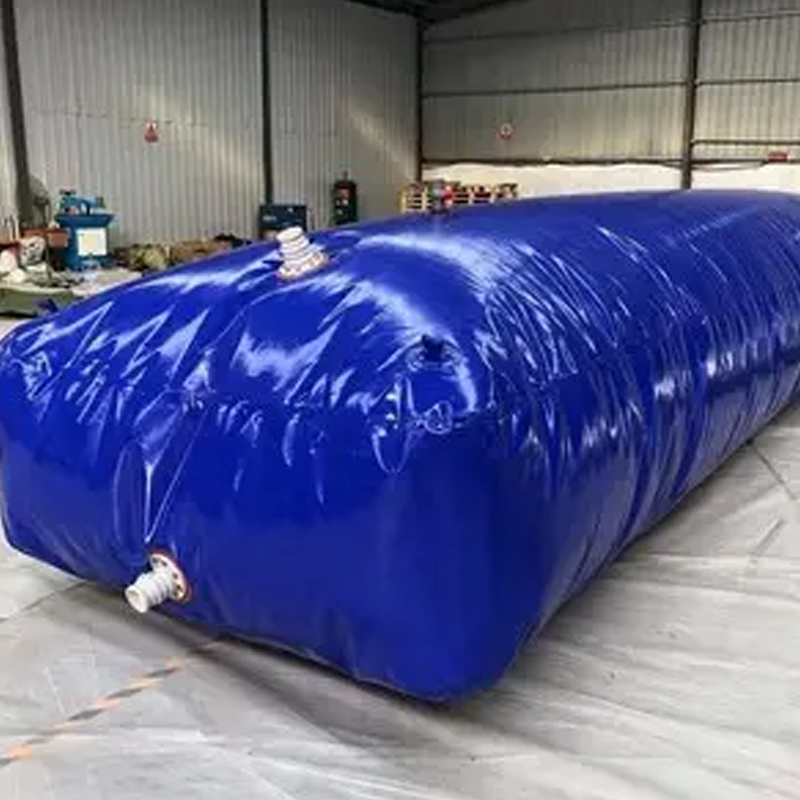
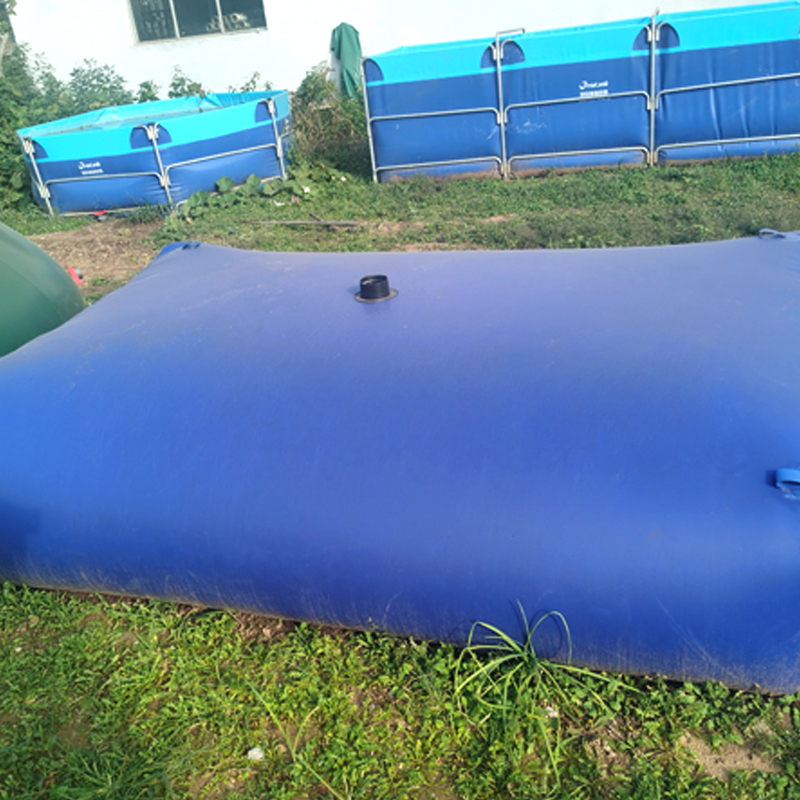
This is a heavy-duty specification within our PVC inflatable fabric range. It uses 1000D×1000D high-tenacity polyester filament yarn as the base fabric, woven at an increased density of 20×22 (inch, plain weave), giving the fabric a tighter structure and stronger support. The surface undergoes double-side PVC coating, resulting in a full, even coating layer that delivers excellent waterproof and airtight performance. Compared with the standard version, this product features an increased weight of 650g/m², offering greater thickness and load-bearing capacity — making it well suited for large-scale inflatable equipment with demanding structural strength requirements.
| Test Item | Unit | Measured Value | Test Method |
| Support Cloth | -- | 100% Polyester | DIN 6000 |
| Type of Coating | -- | PVC coated on both sides | -- |
| Width | -- | UP TO 3.2m | ( DIN EN ISO 2286-1) |
| Total Weight | g/m2 | 650 | DIN EN ISO 2286-2 |
| Yarn | D | 1000 X 1000 | DIN EN ISO 2060 |
| Specification | inch(plain weave) | 20 X22 | DIN EN 1049-2 |
| Tensile strength | N/5cm | Warp 2800 | DIN 53354 |
| Weft 2300 | |||
| Tear strength | N/5cm | Warp 300 | DIN 53356 |
| Weft 280 | |||
| Adhesion Strength | N/5cm | 100 | ASTM D 751-2000 |
Product Features
High-Density Weaving: A 20×22 high-density plain weave construction creates a tighter fabric surface, significantly improving puncture and abrasion resistance;
Heavier Fabric Weight: The 650g/m² thick base material provides stronger structural support, ideal for large-span, high-load inflatable structures;
Robust Tensile and Tear Performance: With tensile strength of 2800 N/5cm (warp) and 2300 N/5cm (weft), combined with tear strength of 300 N/5cm (warp) and 280 N/5cm (weft), the fabric withstands repeated inflation/deflation cycles and harsh outdoor conditions over the long term;
Excellent Coating Adhesion: An adhesion strength of up to 100 N/5cm ensures the coating bonds firmly to the base fabric, resisting delamination and cracking, and extending product service life;
Wide Seamless Width: A maximum width of 3.2m reduces the number of seams, improving overall sealing performance and appearance consistency;
Multiple Certifications Available: Meets lead-free, 6P, RoHS, and REACH environmental standards, and can be customized to meet flame-retardant standards such as B1, M2, and NFPA-701 upon request.
Applications
Thanks to its higher weight and denser weave, this product is especially suited for applications requiring superior durability and pressure resistance, such as large inflatable castle structures, emergency rescue slides, large-span soft barrier dams, and heavy-duty inflatable water bladders — ideal for entertainment and emergency rescue equipment that must withstand sustained high pressure and repeated use.
PVC Inflatable Fabric, PVC Cover Material and PVC Mesh Fabric: A Practical Guide for B2B Buyers PVC inflatable fabric, PVC cover material and PVC mesh fabric share the same polyester-and-PVC foundation, but each is specified for a different job: airtightness and weld strength fo...
READ MOREArchitectural Membrane Fabric, PVC Tent Fabric and Truck Cover & Side Curtains Fabric: A Practical Selection Guide Architectural membrane fabric, PVC tent fabric and truck cover & side curtains fabric are all polyester base cloths coated with PVC, but each is tuned to a ...
READ MOREPVC Fabric Product Guide: How to Select the Right Material for Structures, Covers, Inflatables and Industrial Use A PVC fabric product performs reliably when four decisions are made in the right order: the base cloth construction, the coating weight, the topcoat finish, and the ...
READ MORE1000D 650gsm Heavy-Duty PVC Coated Fabric for Inflatables is a coated textile made for air filled products that work hard. A woven polyester scrim with 1000 denier yarn carries the load, PVC coatings seal both faces, and the finished fabric weighs 650 grams per square meter. The extra weight compared with lighter inflatable fabrics comes from a thicker coating build, which adds sealing depth, abrasion cover and welding material.
An inflatable is not loaded once. It is filled, used, emptied, folded and filled again, often hundreds of times, and it rubs on the ground, on frames and on other products along the way. Heavy-duty describes a fabric chosen for that repeated cycle of flexing and contact, and for products with larger radius or higher working pressure. Buyers who contact a 1000D 650gsm Heavy-Duty PVC Coated Fabric for Inflatables Factory are usually asking how long the product will keep holding air under that cycle.
This guide explains how the inflation cycle wears the fabric, where the 650gsm class fits by pressure, where air loss usually starts, and how buyers can brief a factory.
Air inside an inflatable pushes on the wall in every direction, and the wall answers with tension in the fabric. For a simple tube the tension per unit width equals the air pressure multiplied by the radius, so a larger tube at the same pressure needs a stronger wall. In a double-side coated fabric the polyester scrim carries this tension, while the PVC coatings keep the air in and form the weldable surface. Knife coating spreads PVC paste with a blade and gels it in an oven, and lamination bonds pre-made PVC film to the scrim by heat or an adhesive system. Panels are joined by high frequency or hot air welding, which fuses the coatings into one continuous layer.
The strip follows one product through a single inflation cycle. In the first frame the product is inflated, and the wall carries steady tension from the air inside. In the second frame the air is released, the wall goes slack and creases form where the sheet settles. In the third frame the product is folded for transport, and each fold line bends the coating and the scrim sharply. When the cycle starts again, the same lines are opened and loaded once more. Over many cycles, repeated bending can tire the coating at those lines, so the thickness and flexibility of the coating matter as much as the strength of the scrim. A heavy-duty build gives the coating more depth to absorb this repeated movement.
Seams are joined by lap welds or by butt welds with cover tape. A thicker coating gives the weld more material to fuse, which supports wide and consistent seams on larger products.
Fabric engineers describe repeated loading with a fatigue curve. The sketch below compares a lighter build with a heavy-duty build as a concept.
Both curves fall from left to right, which shows that a higher load wears a fabric out in fewer cycles. The dashed horizontal line marks a working load level that is the same for both builds. The light curve meets that line sooner, while the dark curve of the heavy-duty build meets it later. The gap between the two markers on the cycle axis is the extra number of cycles the heavier build can run at the same load. This gap is the practical reason why products that are inflated often, or used hard, tend to move to a heavier fabric class. The sketch is a concept and carries no measured numbers, and real fatigue life depends on yarn, coating, seam design and handling.
| Item | 1000D 550gsm Class | 1000D 650gsm Heavy-Duty Class |
|---|---|---|
| Coating build | Balanced | Thicker, more depth |
| Folding and flex | Easier to fold | Workable, slightly stiffer |
| Abrasion margin | Good | Higher |
| Fabric per 20 m2 of surface | About 11 kg | About 13 kg |
| Typical products | Advertising and play structures | Large play, rental, air beams, rafts |
The ladder arranges inflatable products from low working pressure and small size at the bottom to high pressure and large size at the top. The bracket for the 550gsm class covers the lower middle of the ladder, where advertising pieces, play structures and moderate air beams sit. The bracket for the 650gsm class sits one step higher and covers larger air beams and rafts or floating platforms. The two brackets overlap at the air beam level, because the choice there depends on size, use pattern and how hard the product is worked. Products at the top of the ladder, such as boats and other high pressure items, usually need heavier builds than either class. The ladder is a qualitative guide, and the final choice should follow the design pressure and the radius of the product.
When an inflatable loses air, the fabric is not always the cause. The Pareto chart below ranks five common sources of air loss and shows how fast they add up.
A Pareto chart puts the largest cause first and uses a rising line to show the running total. In this illustration, seams head the list and account for the biggest share of air loss cases. Valves follow, and together the two sources make up about two thirds of the total. Punctures, fabric wear and fittings share the remaining third. The message for a buyer is that fabric quality is only one part of airtightness, and welded seam quality and valve fitting deserve equal attention. A heavy-duty fabric helps with the seam and wear items, because a thicker coating gives the weld more material and the surface more cover against rubbing. The distribution is an illustration of the method, and real products show their own pattern.
| Type | Construction Note | Characteristics | Typical Use |
|---|---|---|---|
| Knife-coated grade | Blade applied PVC paste | Even film, flexible hand feel | Rental play equipment |
| Laminated grade | Film bonded to scrim | Smooth, uniform face | Printed event inflatables |
| Anti-abrasion grade | Tuned outer coating | Resists rubbing on ground | Floor and shore contact |
| Lacquered grade | Surface lacquer on outer face | Easier cleaning, stable print | Outdoor display pieces |
| Custom color grade | Pigmented coating, matched lots | Supports brand color | OEM inflatable programs |
A clear brief helps a fabric factory match the specification to the product. The checklist below covers the details most often needed.
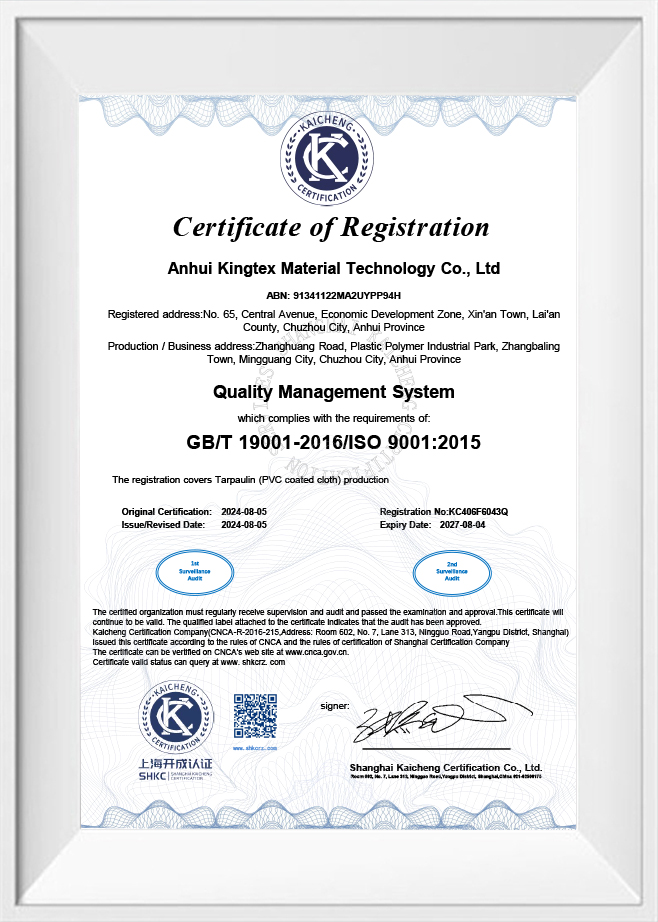
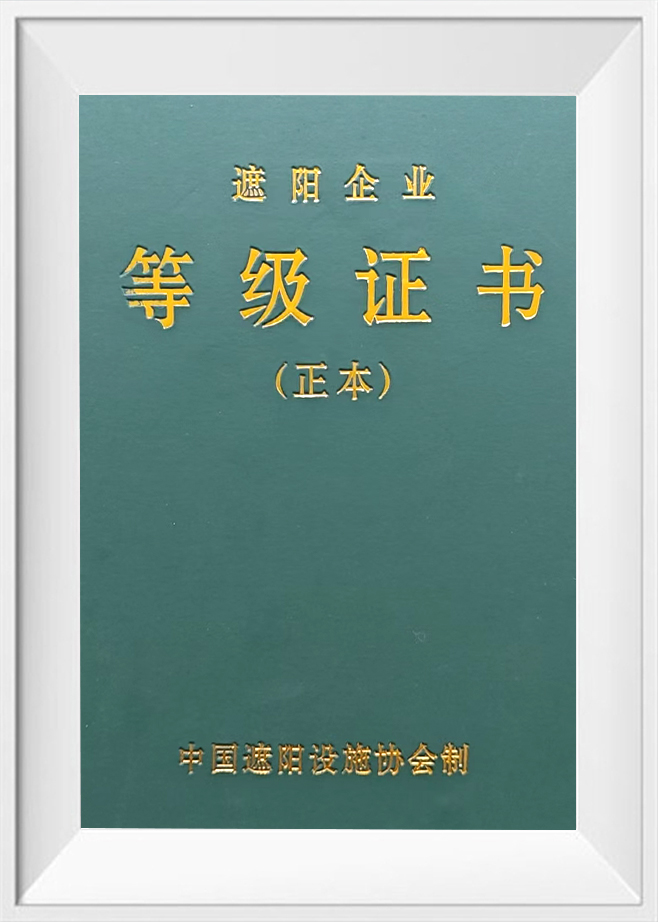
An inflatable fabric is only as dependable as the coating process that makes it. Anhui Kingtex Material Technology Co., Ltd. works as a China PVC fabric waterproof manufacturer and stretch PVC fabric factory. Its range covers architectural membranes, PVC tarpaulins, PVC inflatable fabrics, mesh fabrics, biogas membranes, knife-coated fabrics, disaster prevention nets and intelligent luminescent materials.
The company operates PVC cold lamination, hot lamination and coating equipment, together with a full set of testing instruments and a dedicated R&D team. For buyers looking for a 1000D 650gsm Heavy-Duty PVC Coated Fabric for Inflatables Factory or a heavy-duty PVC inflatable fabric manufacturer, this means scrim, coating build and testing can be reviewed together, including OEM, custom color and roll width requests. Customers from all sectors are welcome to visit the facility for tours and business talks.
Good habits at each stage of the inflation cycle keep an inflatable airtight for longer.
It is a woven polyester fabric with 1000 denier yarn, coated with PVC, with a finished weight of 650 grams per square meter, made for air filled products that are used hard.
Both can use 1000D yarn, but 650gsm carries a thicker coating, which adds sealing depth, abrasion cover and weld material. The trade off is extra weight and a slightly stiffer feel.
Large rental play equipment, air beam frames, rafts and floating platforms, and big event pieces are common matches. Boats and high pressure products usually need heavier builds.
Useful details include product type and size, working pressure, how often it is used, color, surface finish, print area, roll width and length, and the seam method.
Common sources are seams, valves, punctures, fabric wear and fittings. Fabric quality is one part, so weld quality and valve fitting deserve equal attention.
Wash with mild detergent and water, rinse well, dry completely, and fold loosely in a dry place away from sharp objects and heat.

We warmly welcome customers from home and abroad to visit our factory, negotiate cooperation, and create a bright future together.
Copyright ©Anhui Kingtex Material Technology Co, Ltd. All Rights Reserved. Wholesale 1000D 650gsm Heavy-Duty PVC Coated Fabric for Inflatables Factory
