 English
 русский
 Français
 Español
 عربى
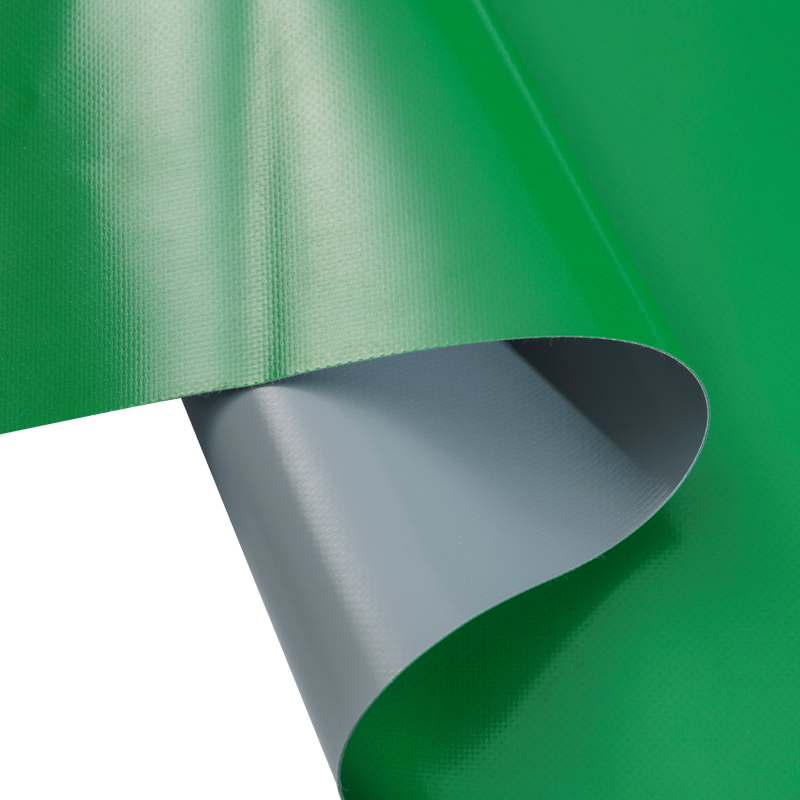
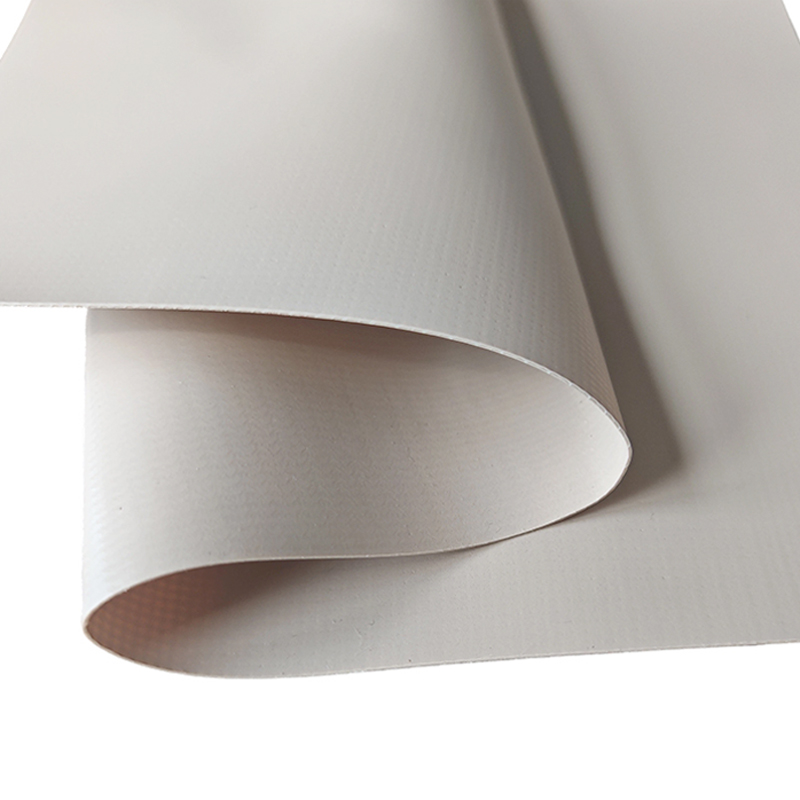
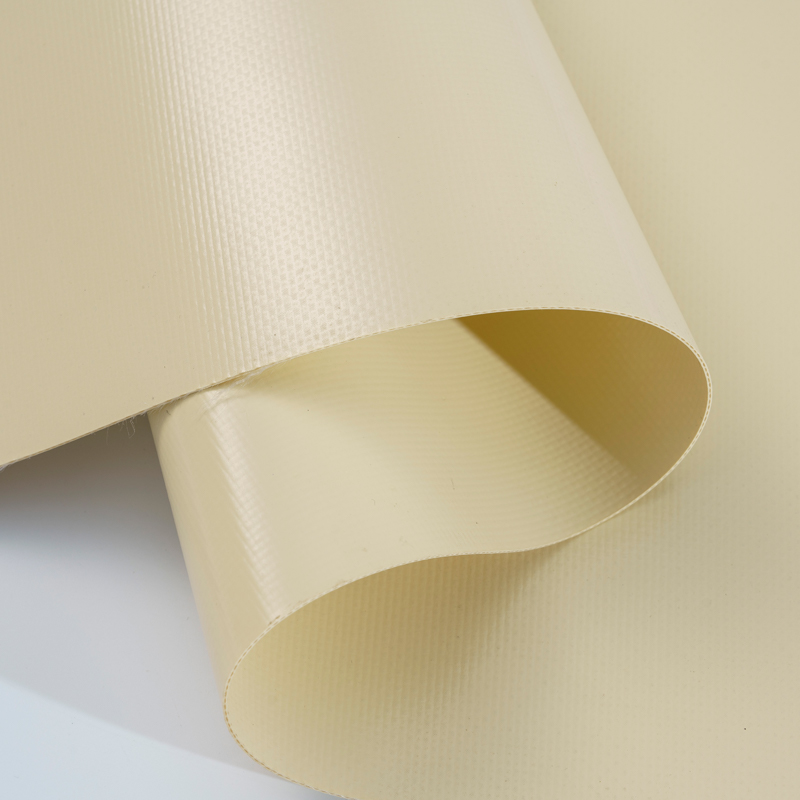
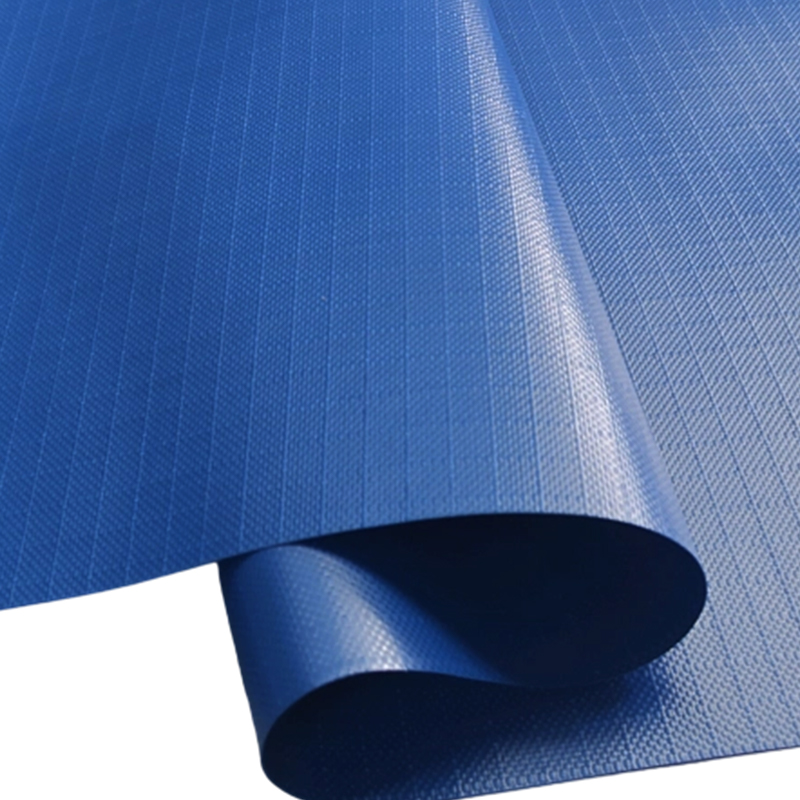
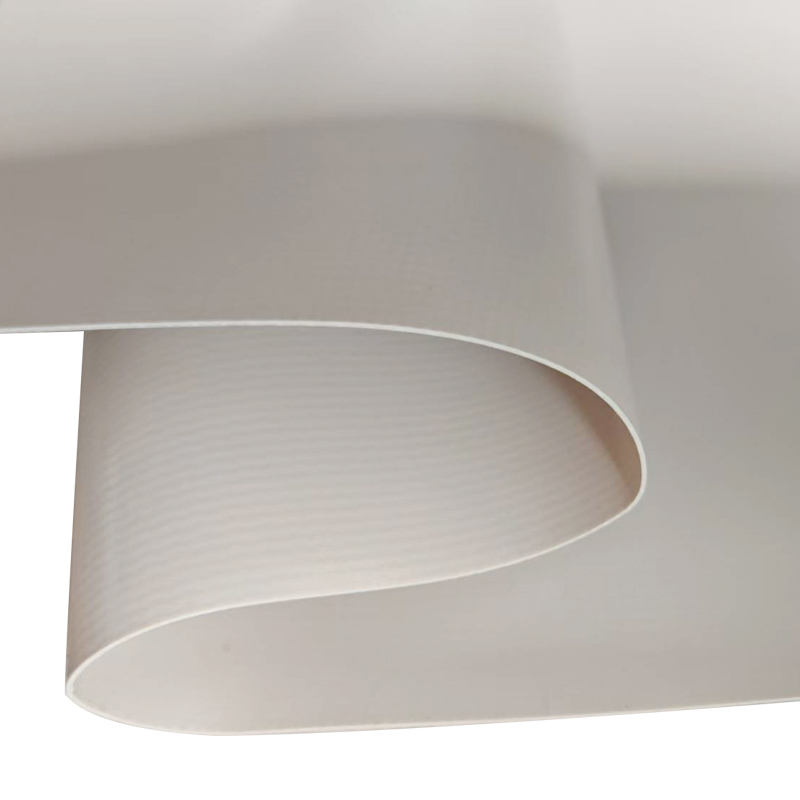
PVC Inflatable Fabric, PVC Cover Material and PVC Mesh Fabric: A Practical Guide for B2B Buyers PVC inflatable fabric, PVC cover material and PVC mesh fabric share the same polyester-and-PVC foundation, but each is specified for a different job: airtightness and weld strength fo...
READ MORE
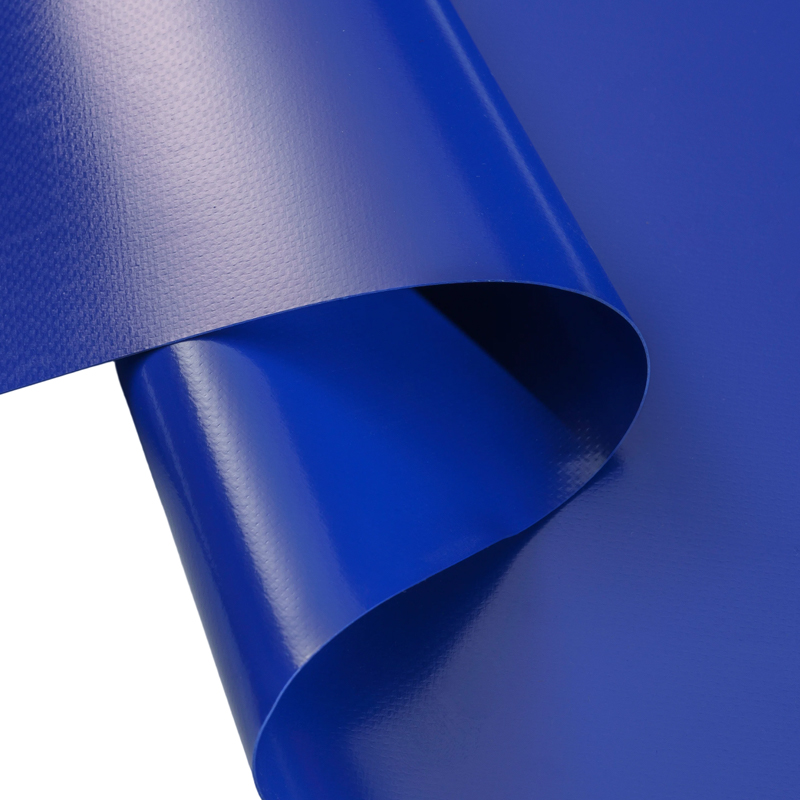
1000D 900gsm Panama Weave Heavy-Duty PVC Fabric for Inflatables
The base fabric adopts a distinctive 30 × 30 Panama weave, which differs from conventional plain weave construction. By optimizing the yarn interlacing pattern, the fabric achieves a more balanced distribution of warp and weft forces and improved resistance to tear propagation under the same yarn specification.
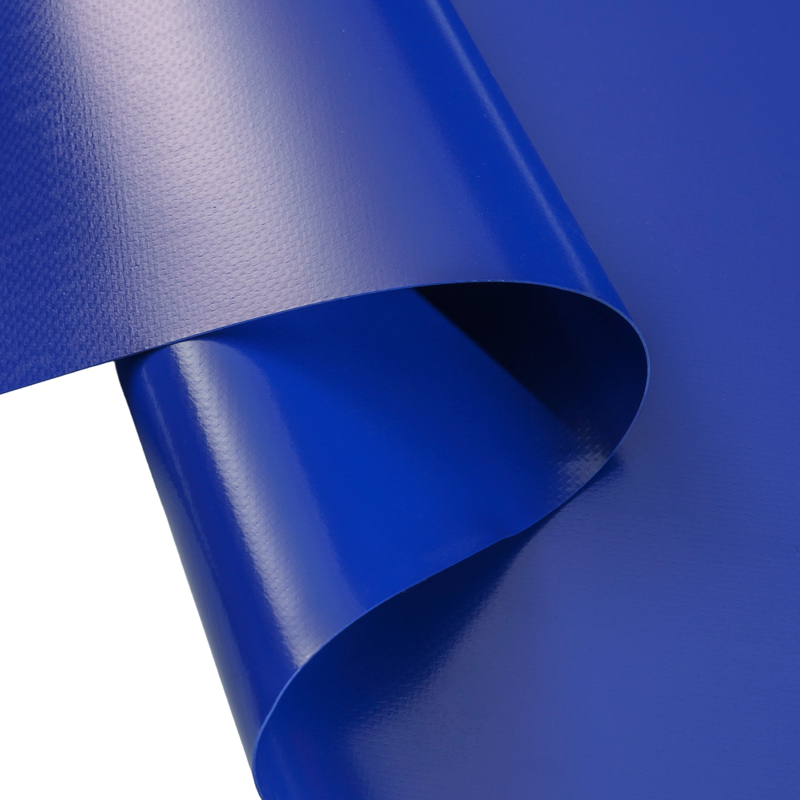
With an overall weight of 900 g/m², the fabric is combined with a double-sided PVC coating and can be optionally finished with an Acrylic or PVDF weather-resistant topcoat. These surface treatments further enhance UV resistance, stain resistance, and long-term outdoor weatherability. The fabric also supports customized flame-retardant treatments to meet standards such as B1, B2, and NFPA-701 B-S2/d0, making it suitable for professional applications with stringent safety requirements.
- Product Parameter
- Product Details
| Test Item | Unit | Measured Value | Test Method |
| Support Cloth | -- | 100% Polyester | DIN 6000 |
| Type of Coating | -- | PVC coated on both sides | -- |
| Width | -- | UP TO 3.2m | ( DIN EN ISO 2286-1) |
| Total Weight | g/m2 | 900 | DIN EN ISO 2286-2 |
| Yarn | D | 1000 X 1000 | DIN EN ISO 2060 |
| Specification | inch(plain weave) | 30 X 30panama | DIN EN 1049-2 |
| Tensile strength | N/5cm | Warp 4200 | DIN 53354 |
| Weft 3800 | |||
| Tear strength | N/5cm | Warp 550 | DIN 53356 |
| Weft 500 | |||
| Adhesion Strength | N/5cm | 110 | ASTM D 751-2000 |
| Lacquer | Acrylic or PVDF | ||
| Flame Retardant | B1,B2,NFPA-701 B-S2,do |
Product Features
Unique Panama Weave Structure
Unlike conventional plain weave fabrics, the 30 × 30 Panama weave provides a more evenly distributed yarn interlacing structure, significantly improving the material's overall resistance to tear propagation and coating delamination.
Superior Tensile Strength
With tensile strengths of 4200 N/5 cm in the warp direction and 3800 N/5 cm in the weft direction, this is the highest-strength specification in the series. It is designed for extra-large inflatable structures exposed to extreme mechanical stress.
Excellent Tear Strength
With tear strengths of 550 N/5 cm in the warp direction and 500 N/5 cm in the weft direction, the fabric effectively limits further tear propagation even when exposed to sharp-object impacts or localized damage.
Maximum Coating Adhesion
A peel strength of 110 N/5 cm ensures that the PVC coating remains firmly bonded to the base fabric, even under demanding operating conditions.
Optional Weather-Resistant Topcoats
The Acrylic topcoat offers good flexibility and cost-effectiveness, while the PVDF topcoat provides enhanced long-term UV resistance, stain resistance, and weatherability. The appropriate finish can be selected according to the expected outdoor service life and application requirements.
Multiple Flame-Retardant Options
Customized flame-retardant treatments can meet major domestic and international standards, including B1, B2, and NFPA-701 B-S2/d0. This makes the fabric suitable for inflatable facilities in public spaces and other applications subject to specific fire-safety regulations.
Premium 900g/m² Weight
At 900 g/m², this is the heaviest specification in the series. It is specifically designed for extra-large-span and high-pressure professional inflatable products requiring enhanced structural strength and durability.
Applications
With its unique Panama weave construction, superior mechanical performance, and optional weather-resistant and flame-retardant treatments, this fabric is particularly suitable for high-end inflatable applications with stringent requirements for safety, weather resistance, service life, and structural strength, including:
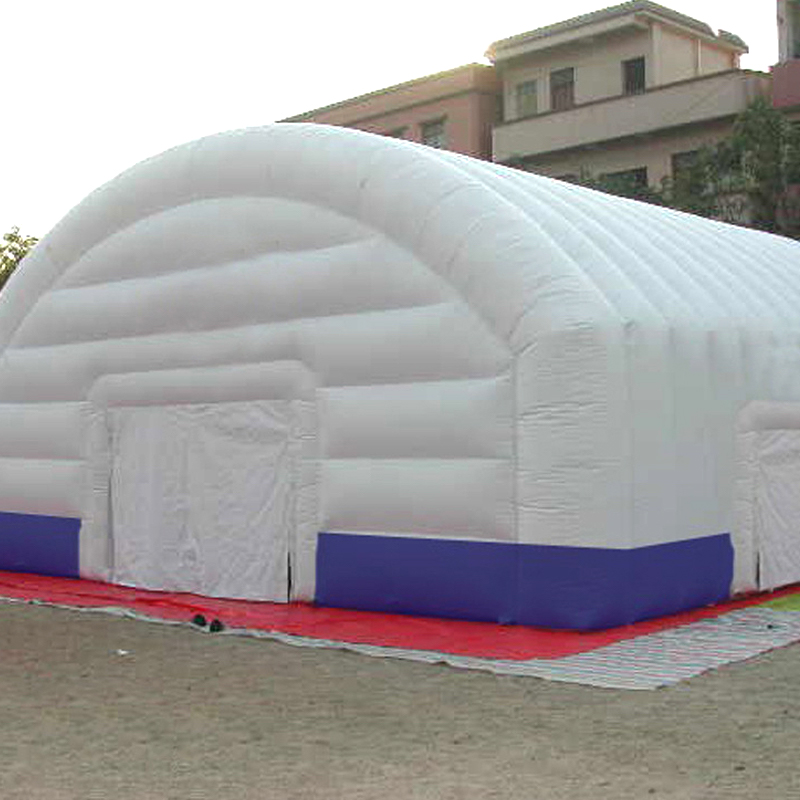
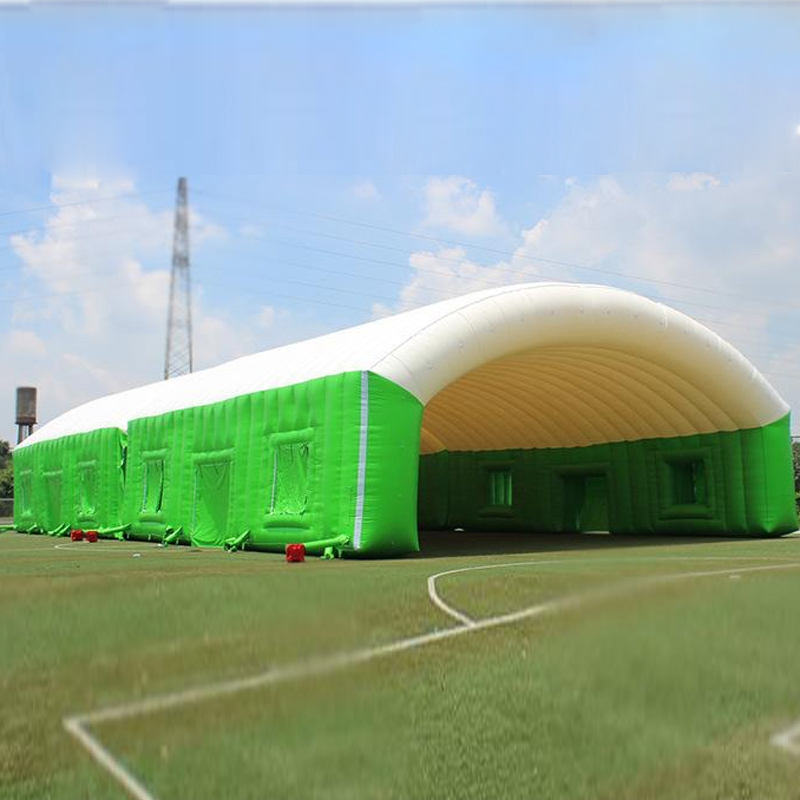
Large commercial inflatable exhibition halls
Professional inflatable amusement facilities for public spaces
Military and rescue inflatable tents for long-term outdoor deployment
Extra-large flexible barrier dams
High-pressure inflatable structures
Specialized emergency rescue and safety equipment
About Us
Anhui Kingtex Material Technology Co, Ltd.
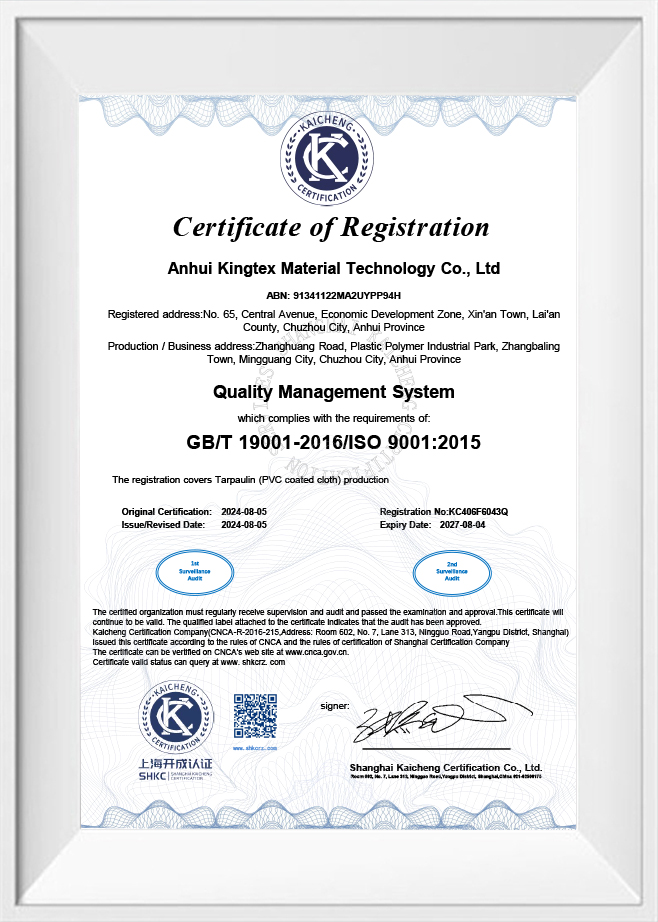
As China 1000D 900gsm Panama Weave Heavy-Duty PVC Fabric for Inflatables Suppliers and OEM 1000D 900gsm Panama Weave Heavy-Duty PVC Fabric for Inflatables Factory, Anhui Kingtex Material Technology Co., Ltd. specializes in the R&D, production, and processing of new materials, including architectural membranes, PVC tarpaulins, PVC inflatable fabrics, mesh fabrics, biogas membranes, knife-coated fabrics, fireproof nets, intelligent luminescent materials, and others. The company has established a complete and scientific quality management system to ensure product quality control throughout the entire process.
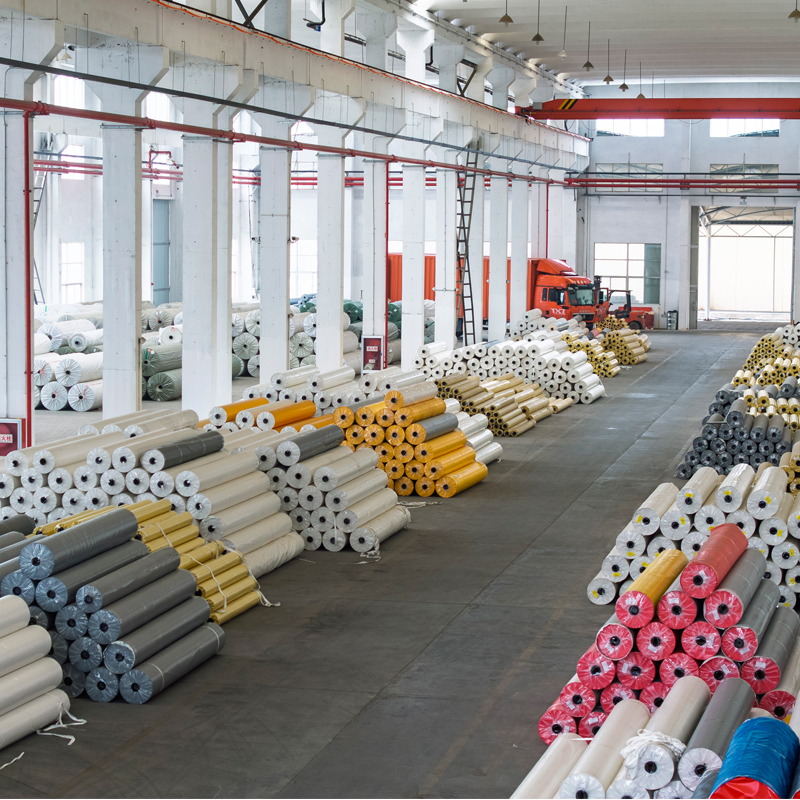
Equipped with professional PVC cold lamination, hot lamination, coating, as well as a full set of testing and inspection instruments, the company lays a solid quality foundation for products with advanced production equipment and mature manufacturing technology. At the same time, a professional scientific research and technical team has been formed. Relying on core technological R&D capabilities, it continuously provides solid support for product innovation and stable quality.
We sincerely invite customers at home and abroad to visit our factory, negotiate cooperation, and seek common development.
-
-
Architectural Membrane Fabric, PVC Tent Fabric and Truck Cover & Side Curtains Fabric: A Practical Selection Guide Architectural membrane fabric, PVC tent fabric and truck cover & side curtains fabric are all polyester base cloths coated with PVC, but each is tuned to a ...
READ MORE -
PVC Fabric Product Guide: How to Select the Right Material for Structures, Covers, Inflatables and Industrial Use A PVC fabric product performs reliably when four decisions are made in the right order: the base cloth construction, the coating weight, the topcoat finish, and the ...
READ MORE
1、Product Overview
1000D 900gsm Panama Weave Heavy-Duty PVC Fabric for Inflatables is a coated technical textile made for air-filled products that face heavy loads, rough handling, and outdoor exposure. It uses a 1000 denier high-tenacity polyester base cloth woven in a Panama pattern, then coated with PVC to a finished weight of about 900 grams per square meter. The woven base carries the tension created by internal air pressure, and the PVC layers seal the cloth and give a surface that can be welded, printed, or lacquered.
The Panama weave sets this material apart from standard plain-weave coated fabrics. Yarns are grouped in pairs, which changes how the cloth bends, how it resists tearing, and how stable it stays when it is cut, welded, and inflated. Within the wider category of PVC inflatable fabric, this grade serves products such as large boats and rafts, floating water equipment, event structures, and industrial air bags.
This article covers how the weave works, how the fabric compares with other constructions, where it is applied, what to check when selecting it, and how to maintain finished products. It is written for designers, fabricators, and sourcing teams working with a 1000D 900gsm Panama Weave Heavy-Duty PVC Fabric for Inflatables Factory or a comparable PVC coated fabric manufacturer.
| Item | Description |
|---|---|
| Base cloth | 1000D high-tenacity polyester |
| Weave | Panama (2/2 basket construction) |
| Finished weight | About 900 gsm |
| Coating | PVC, with optional lacquer topcoat |
| Fabrication | High-frequency or hot-air welding |
2、How the Panama Weave Works
(1) Paired Yarn Construction
In a plain weave, each warp yarn passes over one weft yarn and under the next. In a Panama weave, also called a basket or hopsack weave, two warp yarns move together over two weft yarns. The result is a block pattern with fewer interlacing points per unit length. Fewer crossings let the yarns sit slightly straighter in the cloth, which allows the fabric to flex more easily and spread stress across several yarns at once.
(2) Effect on Tear and Stability
When a tear begins in a woven fabric, yarns have to slide, bunch, and break. In a Panama weave, paired yarns can group together and share the load, which helps slow the progress of a tear. The open block structure also helps the cloth keep its shape during cutting and welding, so panels stay closer to their patterned dimensions.
(3) Coating Anchorage
The textured surface of a Panama base cloth gives the PVC layers more contact area to grip, which supports bonding between coating and scrim. Anhui Kingtex Material Technology Co., Ltd. operates cold-lamination, hot-lamination, and coating lines, so the coating build for a heavy fabric such as this one can be adjusted to suit the weave and the target finish.
The pattern view compares a plain weave on the left with a Panama weave on the right. In the plain weave, single yarns alternate in small squares, creating many tight crossing points. In the Panama weave, the same alternation happens in larger blocks, because two yarns travel together in each direction. These larger blocks explain why the cloth bends more easily and why paired yarns can share stress during a tear. The drawing is schematic and does not show real yarn counts, but it shows the structural idea behind the weave. Designers use this idea to decide which base cloth suits the flexing and loading expected in the finished inflatable.
3、Plain Weave and Panama Weave Compared
Both constructions are widely used in coated fabrics, and each has strengths. The radar chart below shows indicative relative scores for five attributes that matter in inflatable fabrication, using a ten-point scale.
The green shape for the Panama weave reaches further on tear resistance, flexibility, and dimensional stability. The orange shape for the plain weave reaches further on surface smoothness and weld readiness, because its tighter pattern gives a flatter base for coating. Neither shape contains the other, so the better choice depends on the product being built. Large boats, rafts, and floating equipment gain from the tear and flexing advantages of the Panama pattern. Smaller printed products may place more weight on surface flatness. These scores are indicative and meant to support planning, so sample trials remain the best way to confirm suitability.
| Feature | Plain weave | Panama weave |
|---|---|---|
| Yarn pattern | 1 over 1 | 2 over 2 |
| Bending behavior | Firmer | More pliable |
| Load sharing in tears | Single yarns | Grouped yarns |
| Surface texture | Flatter | Slight block texture |
| Common heavy-duty uses | Covers, tents, banners | Truck sides, liquid bags, inflatables |
4、Weight Bands and the Role of 900gsm
PVC coated polyester fabrics are often grouped by finished weight. Lightweight grades of roughly 500 to 600 gsm suit awnings and small printed covers. Medium grades of 650 to 750 gsm are used for tents and truck covers. Heavyweight grades of 800 to 900 gsm serve industrial enclosures, liquid containment, and demanding inflatables. The chart marks where the 900 gsm grade sits.
The chart lays out three weight bands along a shared scale. The lightweight bar covers 500 to 600 gsm, the medium bar covers 650 to 750 gsm, and the dark heavyweight bar covers 800 to 900 gsm. The dashed line at 900 gsm sits at the upper end of the heavyweight band, which is the range chosen for demanding structural use. At this weight the PVC layers are thick enough to protect the yarns from abrasion and to give a surface that welds consistently. The trade-off is added weight and folded volume, which designers weigh against the benefit of extra durability.
5、Performance Characteristics
(1) Mechanical Strength
The 1000D polyester yarn carries tension from internal air pressure. Combined with the load-sharing behavior of the Panama weave, this supports products that experience stress at seams, corners, and attachment points.
(2) Air and Liquid Containment
The continuous PVC coating closes the spaces between yarns, giving the fabric low permeability to air and water. This is why Panama weave PVC fabrics are also used for liquid bags and flexible tanks. In an inflatable, the final air retention also depends on seam quality and valve fitting.
(3) Flexibility in Use
Heavy fabrics can feel stiff, but the paired yarn structure helps the cloth fold and conform more readily than a tight plain weave of similar weight. This supports easier packing and repeated inflation cycles.
(4) Weather and Surface Care
PVC compounds can include additives for ultraviolet stability and mildew resistance, and a lacquer layer can make the surface easier to clean. These options suit outdoor products exposed to sun, rain, and humidity.
The line chart traces an indicative tear resistance index as weight rises from 600 to 900 gsm. The green line for Panama weave sits above the orange line for plain weave at each point, reflecting the grouped yarn effect described earlier. Both lines climb with weight, since heavier coatings and denser structures give the cloth more material to resist a tear. The larger marker at 900 gsm highlights the grade discussed in this article. These values illustrate a trend and are not measured results. Test reports for a specific roll should always be requested when a project depends on a particular tear value.
6、Application Scenarios and Case Examples
(1) Boats, Rafts, and Floating Platforms
Marine inflatables meet water, sun, and contact with docks and shorelines. A 900 gsm Panama weave fabric offers abrasion margin on the outer face and a flexible body that tolerates repeated folding. Fabricators often use it for tubes, floors, and protective panels.
(2) Water Play and Event Structures
Floating parks, obstacle courses, and arches depend on stable panel shapes and reliable seams. The dimensional stability of the Panama pattern helps panels stay close to their cut size, which supports consistent assembly across large production runs.
(3) Industrial Air and Liquid Containment
Temporary bulkheads, lifting air bags, and flexible liquid containers use coated fabric as a pressure-holding wall. Kingtex also produces biogas membranes and knife-coated fabrics, so project teams with several flexible-material needs can coordinate their sourcing through one manufacturer.
(4) Protective Barriers
Inflatable flood and perimeter barriers need a durable skin that resists puncture and scuffing. Heavy PVC fabric with a lacquered surface helps these products stay serviceable between deployments.
The donut chart splits typical use into four groups, with boats and rafts taking the largest share at 30 percent. Water play equipment and event structures each take 25 percent, and industrial air products take the remaining 20 percent. The split shows how wide the range of products is for a single heavy-duty fabric grade. The shares are indicative and do not come from market data, so they should be read as a planning aid. Each group places different demands on the fabric, from abrasion on boat tubes to color retention on event structures. A fabric supplier can adjust the finish and additives to suit each group.
7、Selection and Fabrication Guide
(1) Selection Steps
- Set the working pressure, largest panel span, and expected load.
- Identify the exposure: marine, outdoor, industrial, or mixed.
- Choose the base cloth, weave, and weight band, such as 1000D Panama at 900 gsm.
- Specify surface finish, color, and any functional additives.
- Run welding and inflation trials on samples.
- Confirm roll width, roll length, and delivery timing.
(2) Fabrication Notes
- Cutting: use sharp tools and consistent tension so panel edges stay clean.
- Welding: set temperature, pressure, and dwell time through test seams on the actual roll.
- Seam layout: place seams away from the highest-stress zones where the design allows.
- Lot control: keep panels for one product within the same production lot for color and thickness consistency.
A 1000D 900gsm Panama Weave Heavy-Duty PVC Fabric for Inflatables Factory that controls weaving preparation, coating, and lamination in one place makes lot control easier. Kingtex combines professional coating and lamination equipment with a full set of testing instruments and a dedicated R&D team, and customers are welcome to visit the facility for tours and business discussions.
8、Maintenance Guidance
(1) Cleaning
Wash with clean water and a mild soap using a soft brush or cloth. Work along the surface texture so dirt lifts from the weave pattern. Rinse well and dry fully before folding.
(2) Inspection
Check seams, valve areas, and contact zones on a regular schedule. Look for surface scuffs, lifting seam edges, and slow pressure loss. Record findings so patterns of wear can be reviewed.
(3) Repair
Small punctures can be repaired with compatible PVC patches and adhesive on a clean, dry surface. Round the patch corners and press firmly to help the edges stay down.
(4) Storage
Store the product clean and dry in a cool, ventilated place away from direct sunlight and sharp objects. Vary the fold lines between storage periods to reduce repeated creasing in one spot.
9、Frequently Asked Questions
(1) What does Panama weave mean?
It is a 2/2 basket construction in which pairs of warp and weft yarns interlace together, forming a block pattern in the base cloth.
(2) What do 1000D and 900gsm describe?
1000D refers to the thickness of the polyester yarn, and 900gsm refers to the finished fabric weight per square meter including the PVC coating.
(3) Which inflatable products use this fabric?
Typical uses include boats, rafts, floating water equipment, event structures, protective barriers, and industrial air bags.
(4) Can the fabric be welded?
PVC coated fabric is commonly joined by high-frequency or hot-air welding. Trial seams on sample material help set suitable process settings.
(5) Can color and finish be customized?
Color, gloss level, lacquer, and functional additives can be discussed during development with Anhui Kingtex Material Technology Co., Ltd.
(6) How should the surface be cleaned?
Use mild soap and water with a soft brush, rinse thoroughly, and dry before storage. Avoid strong solvents and hard abrasive tools.
10、Summary
1000D 900gsm Panama Weave Heavy-Duty PVC Fabric for Inflatables combines a thick polyester yarn, a paired-yarn weave, and a heavy PVC coating to serve products that need tear resistance, stable panel shapes, and dependable air retention. Its weight band suits boats, water equipment, event structures, and industrial air products. Matching weave, weight, finish, and fabrication method to the real use case gives the best results. Anhui Kingtex Material Technology Co., Ltd. welcomes project teams to discuss samples, specifications, and technical details for inflatable applications.

We warmly welcome customers from home and abroad to visit our factory, negotiate cooperation, and create a bright future together.
Contact Information
- +86-13967331581
- +86-550-2356878
info@kingtexfabric.com
Address
- No. 12, Weiyi Road, Laian County Economic Development Zone, Chuzhou, Anhui, China
Get in Touch
Copyright ©Anhui Kingtex Material Technology Co, Ltd. All Rights Reserved. Wholesale 1000D 900gsm Panama Weave Heavy-Duty PVC Fabric for Inflatables Factory
