 English
 русский
 Français
 Español
 عربى
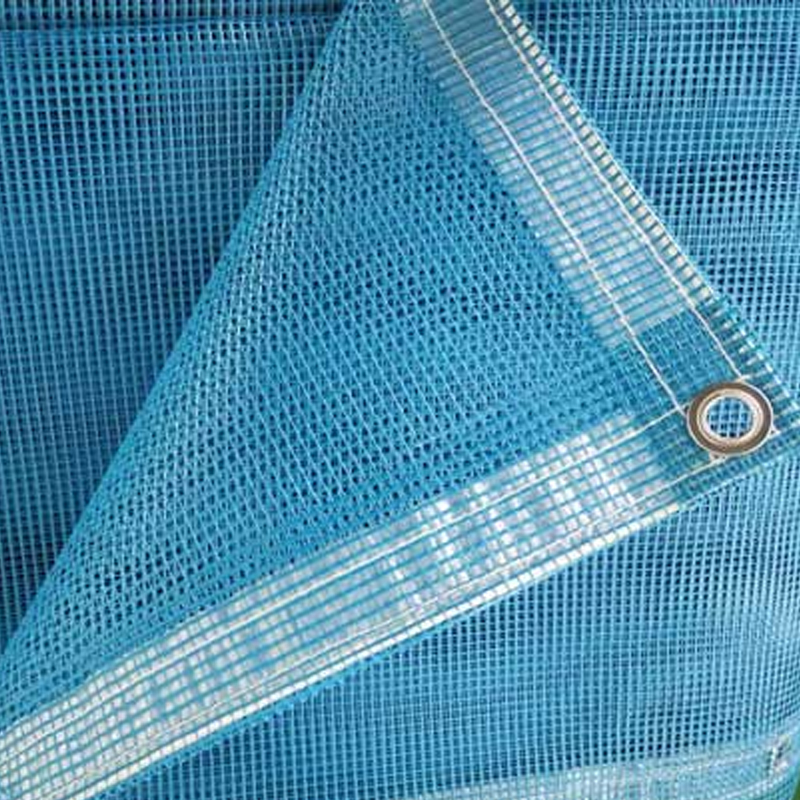
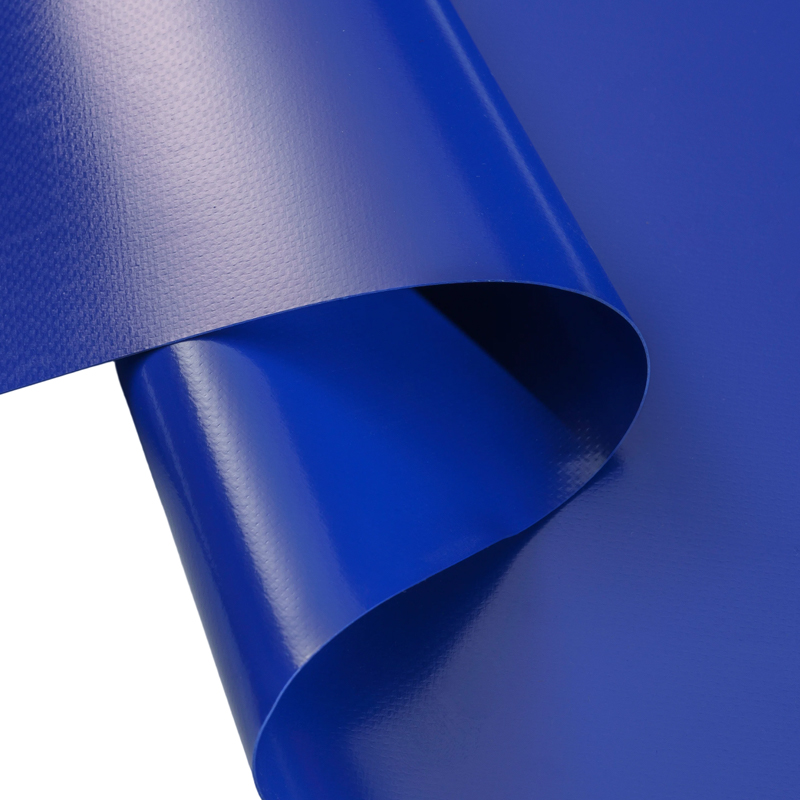
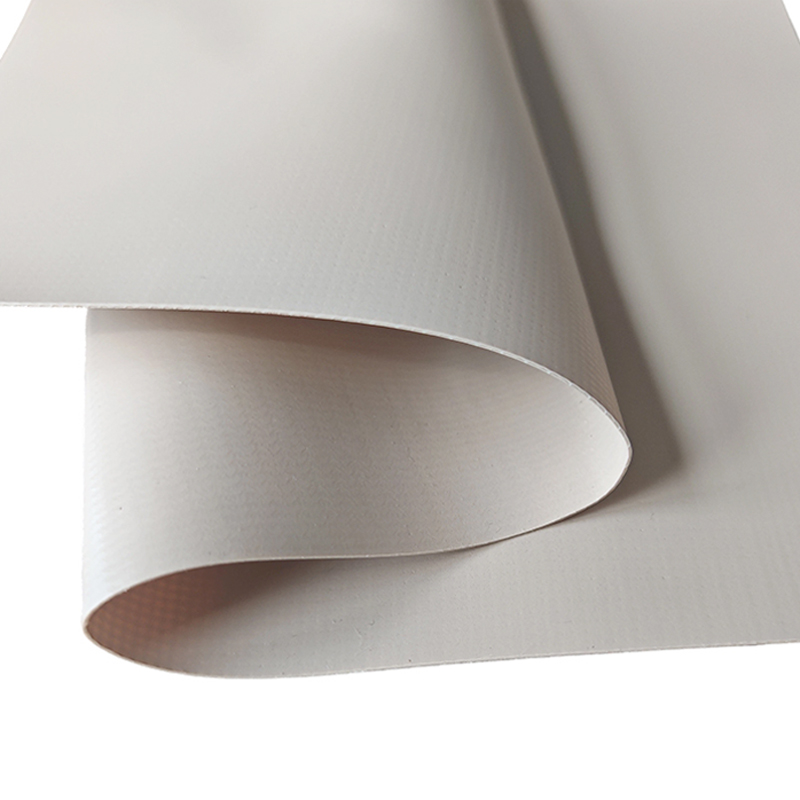
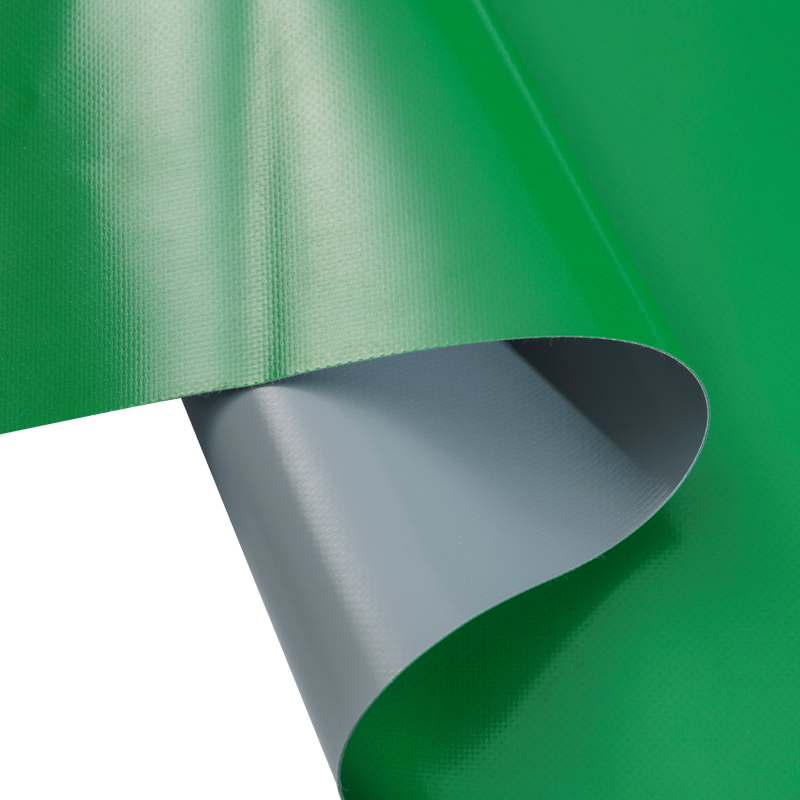
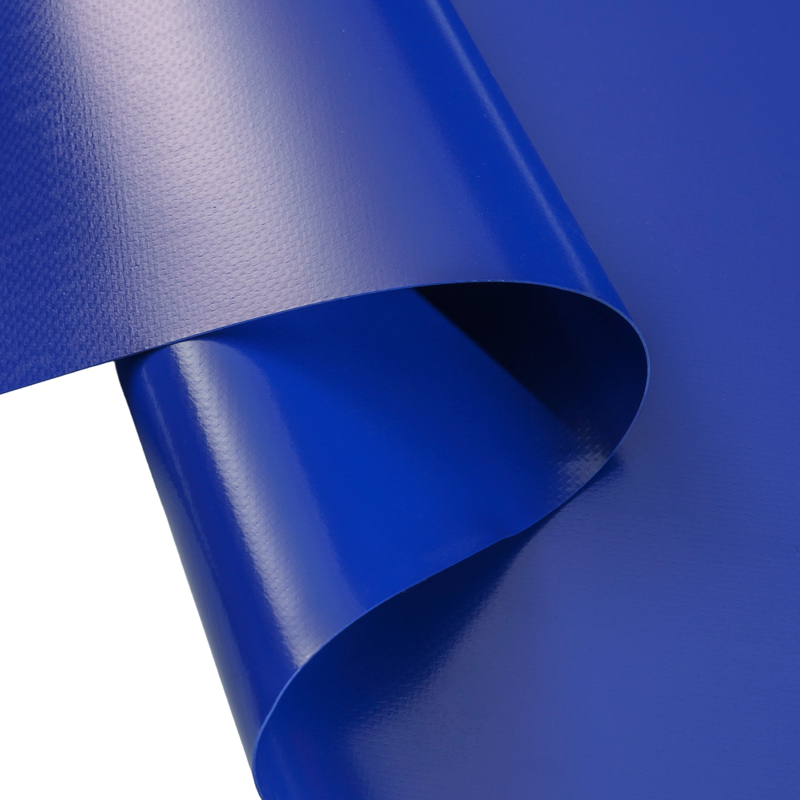
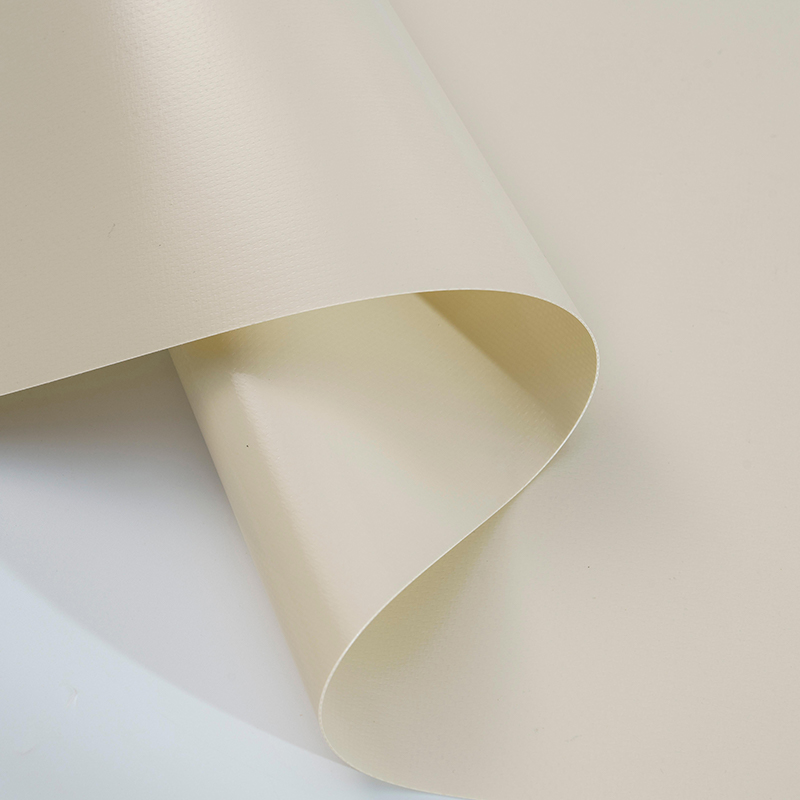
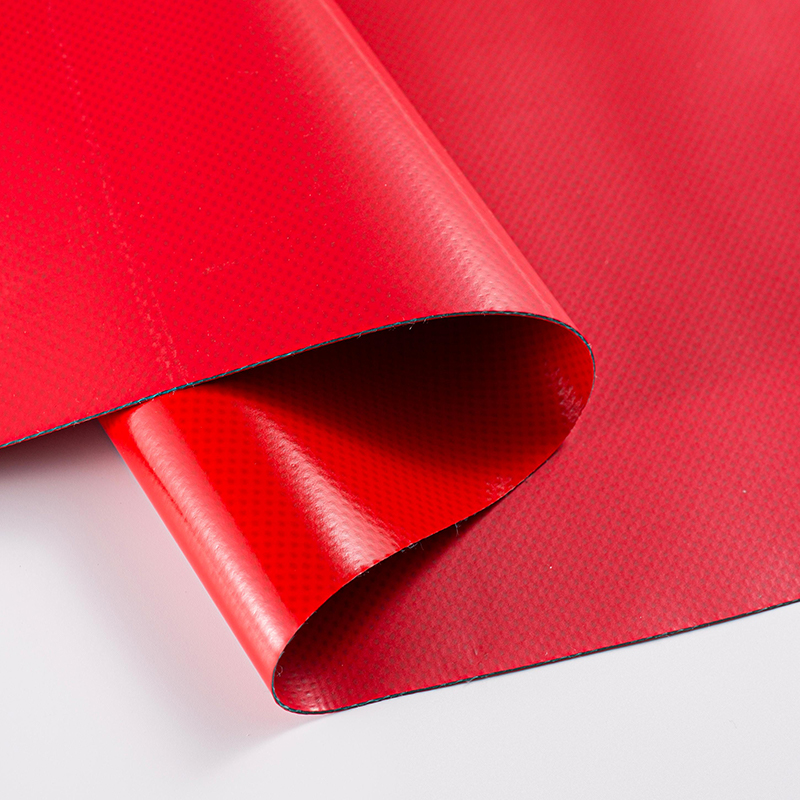
PVC Inflatable Fabric, PVC Cover Material and PVC Mesh Fabric: A Practical Guide for B2B Buyers PVC inflatable fabric, PVC cover material and PVC mesh fabric share the same polyester-and-PVC foundation, but each is specified for a different job: airtightness and weld strength fo...
READ MORE
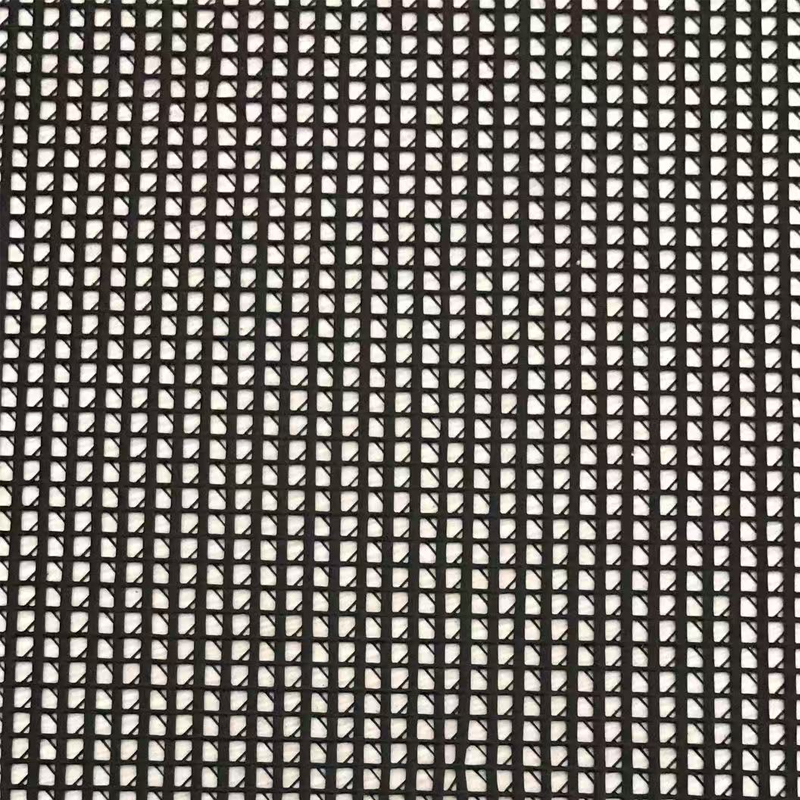
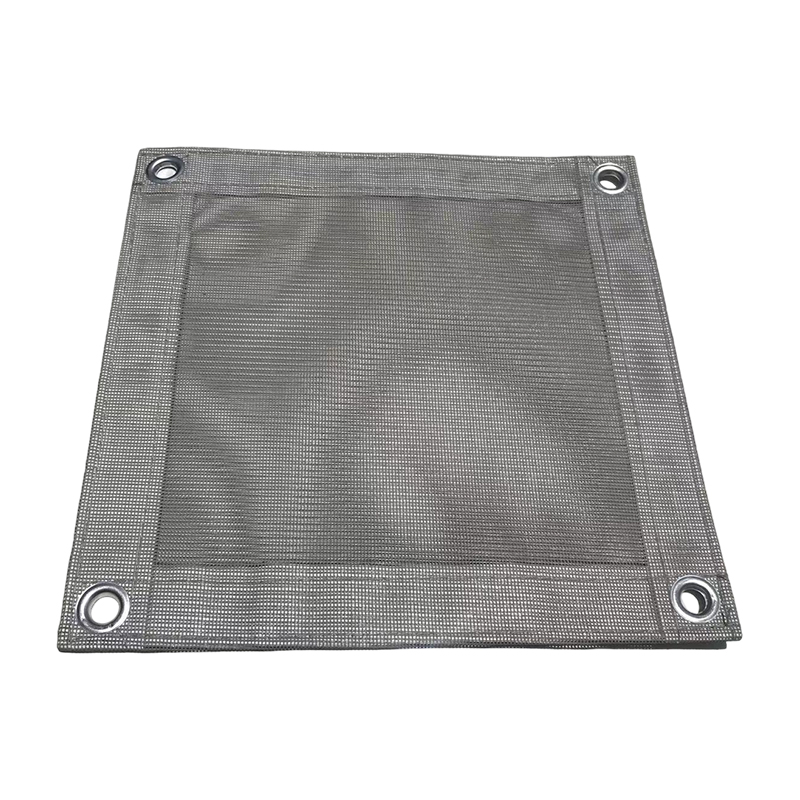
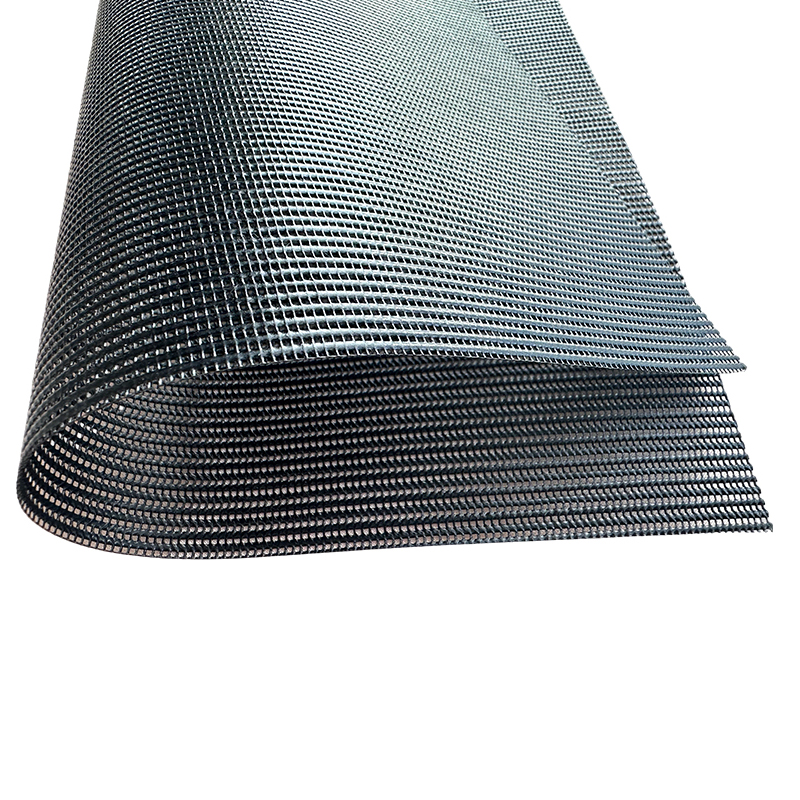
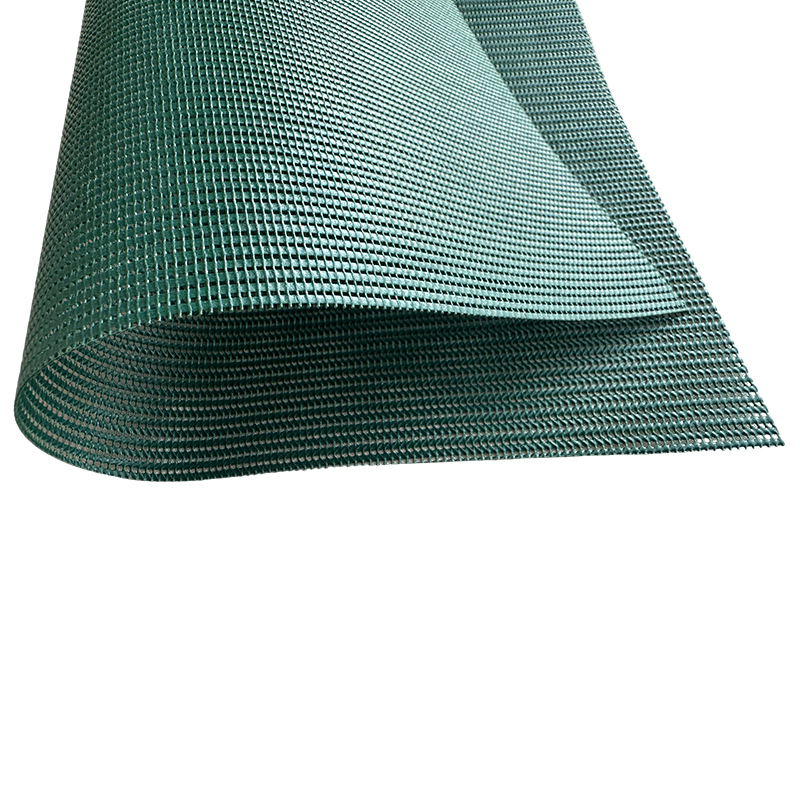
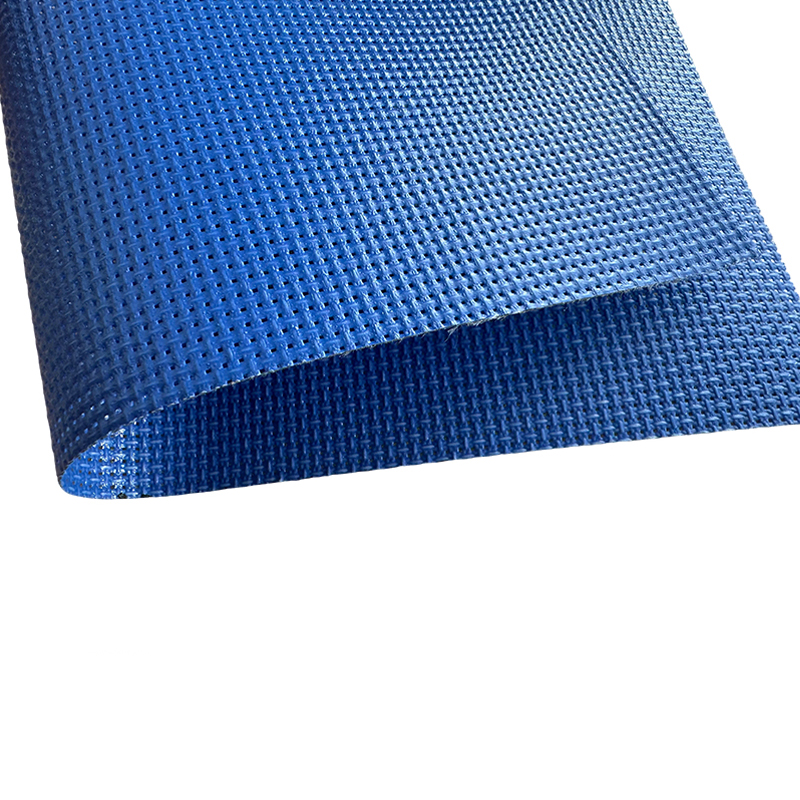
100% Polyester Base Cloth PVC Impregnated Mesh
This product is a functional mesh fabric made from a 100% polyester (woven mesh) base cloth, treated through a PVC (Polyvinyl Chloride) impregnation/coating process. Available in widths up to 3.2 meters and total weights ranging from 130-450 g/m², the fabric can be customized in yarn count and mesh density to suit various applications. It offers excellent weather resistance, abrasion resistance, and structural stability.
- Product Parameter
- Product Details
| Test Item | Unit | Measured Value | Test Method |
| Support Cloth | -- | 100% Polyester | DIN 6000 |
| Type of Coating | -- | PVC -impregnation mesh fabric | -- |
| Width | -- | UP TO 3.2m | ( DIN EN ISO 2286-1) |
| Total Weight | g/m2 | 130--450 | DIN EN ISO 2286-2 |
| Yarn | D | 250/420/500/840/1000 | DIN EN ISO 2060 |
| Specification | inch(plain weave) | 9*9/12*12/18*12/14*14 | DIN EN 1049-2 |
Key Features
High-Strength Base Fabric: Woven from polyester filament yarn, offering high tensile strength and excellent dimensional stability
PVC Impregnation Process: The coating fully penetrates the fabric fibers, ensuring strong adhesion and resistance to delamination
Multiple Options Available: Yarn counts (250D-1000D) and mesh densities available in multiple grades to meet different light/air permeability requirements
Extra-Wide Width: Maximum width of 3.2m reduces seams and improves installation efficiency
Applications
Base fabric for advertising banners/digital printing mesh
Construction safety nets and protective netting
Sun shade nets and dust-proof nets
Outdoor fencing and tarpaulin substrates
Window screens and roller blind mesh fabric
About Us
Anhui Kingtex Material Technology Co, Ltd.
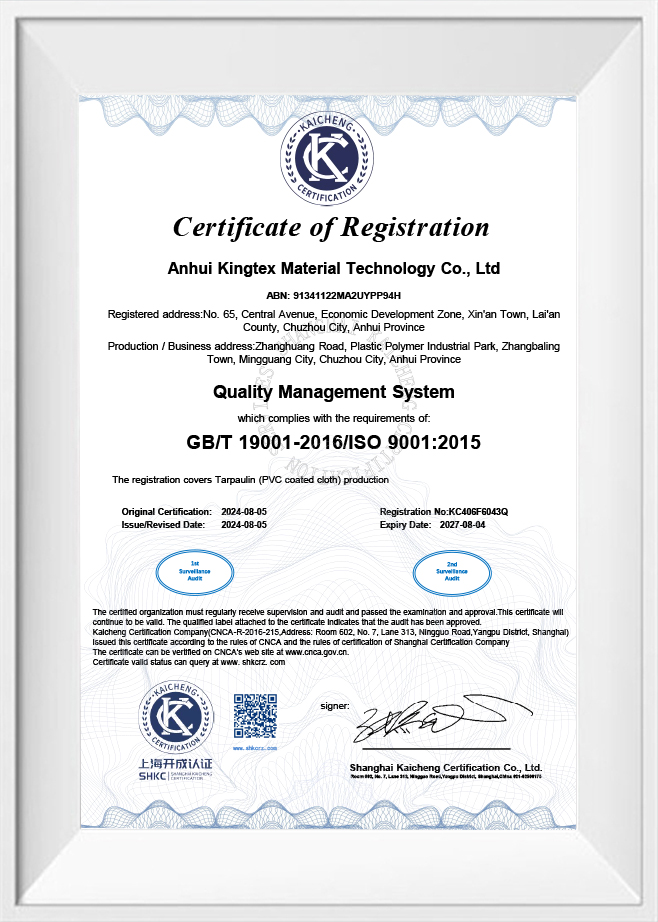
As China 100% Polyester Base Cloth PVC Impregnated Mesh Suppliers and OEM 100% Polyester Base Cloth PVC Impregnated Mesh Factory, Anhui Kingtex Material Technology Co., Ltd. specializes in the R&D, production, and processing of new materials, including architectural membranes, PVC tarpaulins, PVC inflatable fabrics, mesh fabrics, biogas membranes, knife-coated fabrics, fireproof nets, intelligent luminescent materials, and others. The company has established a complete and scientific quality management system to ensure product quality control throughout the entire process.
Equipped with professional PVC cold lamination, hot lamination, coating, as well as a full set of testing and inspection instruments, the company lays a solid quality foundation for products with advanced production equipment and mature manufacturing technology. At the same time, a professional scientific research and technical team has been formed. Relying on core technological R&D capabilities, it continuously provides solid support for product innovation and stable quality.
We sincerely invite customers at home and abroad to visit our factory, negotiate cooperation, and seek common development.
-
-
Architectural Membrane Fabric, PVC Tent Fabric and Truck Cover & Side Curtains Fabric: A Practical Selection Guide Architectural membrane fabric, PVC tent fabric and truck cover & side curtains fabric are all polyester base cloths coated with PVC, but each is tuned to a ...
READ MORE -
PVC Fabric Product Guide: How to Select the Right Material for Structures, Covers, Inflatables and Industrial Use A PVC fabric product performs reliably when four decisions are made in the right order: the base cloth construction, the coating weight, the topcoat finish, and the ...
READ MORE
1、Product Overview
100% Polyester Base Cloth PVC Impregnated Mesh is an open-weave technical fabric made from polyester yarns that are woven into a mesh and then treated with PVC. The word impregnated describes how the PVC is applied. Instead of building a continuous film over a closed cloth, the mesh is passed through PVC so that the compound wets the yarns and bonds them at every crossing, while the gaps between yarns stay open. The result is a flexible, weather-resistant net-like fabric that lets air and light pass through.
That open structure sets it apart from solid PVC tarpaulin. A solid tarpaulin blocks air, water, and light, while a mesh reduces wind load, supports ventilation, and still gives the strength of a polyester scrim. Anhui Kingtex Material Technology Co., Ltd. produces PVC mesh fabrics alongside PVC tarpaulins, knife-coated fabrics, and disaster prevention nets, so the mesh range draws on the same coating, lamination, and testing capability used across its product lines.
This article follows the material from yarn to finished roll, then covers open area, wind relief, comparison with solid fabric, applications, selection, and care. It is written for fabricators, project buyers, and engineers who source a PVC coated mesh fabric from a PVC mesh fabric manufacturer.
| Item | Reference description |
|---|---|
| Base cloth | 100% polyester, open-weave mesh |
| Treatment | PVC impregnation of the woven mesh |
| Structure | Open gaps between coated yarns |
| Surface options | Matte or glossy, with color options |
| Joining | Heat sealing, welding, or sewing |
2、From Yarn to Finished Mesh
The performance of an impregnated mesh is set by a short chain of steps. Each step affects how the final fabric behaves in wind, sun, and handling.
The flow diagram lists five stages in sequence. Polyester yarn is first woven into an open mesh with a controlled yarn count, which fixes the size of the gaps. The woven mesh then passes through PVC impregnation, where the compound coats the yarns and locks them at each crossing. Heat curing sets the PVC so it bonds firmly to the polyester surface. Finishing and inspection follow, covering width, surface, and visual checks before the roll is packed. Because Kingtex operates coating lines and a full set of testing instruments, these stages can be managed within one production system.
(1) Why 100% Polyester Matters
Polyester has good tensile strength, low moisture uptake, and stable behavior in sunlight. Using a single fiber type in the base cloth keeps the mesh predictable under tension and in wet conditions. It also bonds well with PVC compounds, which supports a durable coated surface.
(2) What Impregnation Adds
Bare polyester mesh can fray, shift at the crossings, and absorb dirt. PVC impregnation fixes the yarns in place, protects them from moisture and ultraviolet light, and gives a surface that can be heat sealed. The mesh keeps its openness while gaining shape stability and edge integrity.
3、Open Area: The Number That Shapes Performance
Open area is the share of the fabric surface that is not covered by yarn. It controls airflow, light passage, wind load, and privacy. For a simple square weave, the open share can be estimated as one minus the yarn width times the yarn count, all squared. The chart below applies that formula with an assumed coated yarn width of 0.5 millimeter.
The columns show how open area falls as the yarn count rises. A mesh with 6 yarns per inch in each direction has about 78 percent open area, while one with 18 yarns per inch has about 42 percent. The values come from the formula above with a 0.5 millimeter coated yarn width, and real products will differ with yarn denier, coating build, and weave. The chart explains why a fine, dense mesh behaves more like a screen, while a coarse mesh behaves more like a net. Buyers can use this relationship to set the airflow and block-out they need before choosing a construction.
4、Wind Relief and Airflow
(1) Why Mesh Reduces Wind Load
A solid sheet acts like a sail, so wind pressure builds on its face and transfers to the frame and fixings. A mesh lets part of the air pass through, which lowers the net force. This is why open mesh is used on fences, scaffolds, and exposed enclosures where a solid sheet would load the structure heavily.
(2) Ventilation and Condensation
Airflow through the mesh limits heat build-up and moisture trapping under a cover. This helps in storage, shading, and drying applications where stale air or condensation would cause problems.
The line chart shows relative wind load falling as open area rises. A solid sheet at zero percent open area sits at the top of the scale. As the open area grows to 40 percent, 60 percent, and 80 percent, the load drops step by step. The curve is indicative and drawn to show the direction of the trend, since actual wind load also depends on mesh shape, support spacing, and wind speed. It supports a simple design idea. If a project faces strong wind and does not need full block-out, a higher open area reduces the force on frames and fixings.
5、Mesh Compared with Solid PVC Tarpaulin
The radar chart compares PVC mesh with a solid PVC tarpaulin across five attributes, using relative scores on a ten-point scale. The green shape for the mesh extends toward airflow, wind relief, and light weight. The orange shape for the solid tarpaulin extends toward water sealing and block-out. The two shapes point in opposite directions, which shows that the products complement each other and do not compete for the same jobs. A project that needs a rain barrier calls for the solid fabric, while one that needs ventilation or wind relief calls for the mesh. Scores are indicative and meant for planning.
| Feature | PVC impregnated mesh | Solid PVC tarpaulin | Uncoated polyester mesh |
|---|---|---|---|
| Air passage | Open | Closed | Open |
| Edge stability | Fixed yarns, resists fraying | Stable | Yarns can shift and fray |
| Heat sealing | Yes | Yes | No |
| Weather protection of yarn | Coated | Coated | Exposed |
6、Application Scenarios and Case Examples
(1) Truck Covers for Loose Loads
Trucks that carry aggregate, soil, or waste often use mesh covers. The cover keeps material from flying out, while air passes through so the cover does not balloon at speed. The coated yarn resists rubbing against the load.
(2) Fencing, Windscreens, and Site Barriers
Perimeter screens around building sites, sports grounds, and storage yards reduce wind speed and give partial privacy. A printed or colored mesh can also carry site signage.
(3) Shade and Ventilated Enclosures
Canopies, pool surrounds, and ventilated storage areas benefit from the mix of shade and airflow. The openness limits heat build-up compared with a solid cover.
(4) Bags, Liners, and Protective Nets
Equipment bags, drying nets, and debris nets use the mesh for its strength and drainage. Kingtex also produces disaster prevention nets, so teams working on protective netting can discuss related constructions in the same conversation.
The donut chart divides typical uses into four groups, with truck covers taking the largest share at 30 percent. Fences and screens and shade and ventilation each take 25 percent, and bags and nets take the remaining 20 percent. The split is indicative and does not come from market data, so it is best read as a way to see the range of uses. Each group asks for a different open area and strength level. Truck covers lean toward tighter mesh and higher abrasion margin, while shade products lean toward more open mesh. A supplier can adjust yarn count and coating to suit each group.
7、Selection Guide
- Decide how much airflow and wind relief the project needs, and set a target open area.
- Select a yarn count and denier that match the strength needed at that open area.
- Choose the finish: matte for low glare, glossy for easy cleaning, or a printable surface for signage.
- Add options such as ultraviolet stabilizer, anti-mildew treatment, or flame-retardant compound where the site calls for them.
- Check roll width and length against the cutting plan to limit waste.
- Test seams and hems on samples before bulk fabrication.
Working with a PVC mesh fabric manufacturer that handles weaving preparation, impregnation, and testing in one facility makes it easier to trace results back to production choices. Kingtex welcomes customers to visit its plant for tours and business discussions.
8、Fabrication and Maintenance Guidance
(1) Cutting and Joining
Cut with sharp tools or hot knives, which seal the edge as they cut. Join panels by heat sealing, welding, or sewing with reinforced tape. Run sample seams first to set temperature and pressure.
(2) Fixing and Tension
Use reinforced hems, grommets, or tie strips at fixing points, and space them evenly. Avoid pulling the mesh tight at a single point, which can distort the openings.
(3) Cleaning
Rinse with clean water and a mild soap solution, using a soft brush. Rinse again and let the mesh dry fully. Avoid strong solvents, which can attack the coating.
(4) Inspection and Storage
Check hems, grommets, and seams on a regular schedule. Store the mesh clean and dry in a cool, ventilated place away from direct sunlight, and fold it loosely to avoid sharp creases.
9、Frequently Asked Questions
(1) What does PVC impregnated mean?
It means the woven polyester mesh is treated with PVC so the compound coats and bonds the yarns, while the gaps between yarns stay open.
(2) Why choose 100% polyester for the base cloth?
Polyester offers good tensile strength, low moisture uptake, and stable behavior outdoors, and it bonds well with PVC compounds.
(3) What is open area and why does it matter?
Open area is the share of the surface not covered by yarn. It sets airflow, light passage, wind load, and privacy.
(4) Can the mesh be heat sealed?
Yes. The PVC surface allows heat sealing and welding, and the mesh can also be sewn with reinforced hems.
(5) Can color and construction be customized?
Yarn count, color, finish, and functional additives can be discussed with Anhui Kingtex Material Technology Co., Ltd. during sampling.
(6) How should the mesh be cleaned?
Use mild soap and water with a soft brush, rinse well, and dry completely before storage.
10、Summary
100% Polyester Base Cloth PVC Impregnated Mesh combines the strength of polyester yarn with a PVC treatment that fixes the weave, protects the fibers, and keeps the structure open. Open area drives airflow, wind relief, and privacy, so choosing the yarn count is the first design step. The material suits truck covers, screens, shade structures, bags, and protective nets. Anhui Kingtex Material Technology Co., Ltd. invites project teams to request samples and discuss mesh constructions for their applications.

We warmly welcome customers from home and abroad to visit our factory, negotiate cooperation, and create a bright future together.
Contact Information
- +86-13967331581
- +86-550-2356878
info@kingtexfabric.com
Address
- No. 12, Weiyi Road, Laian County Economic Development Zone, Chuzhou, Anhui, China
Get in Touch
Copyright ©Anhui Kingtex Material Technology Co, Ltd. All Rights Reserved. Wholesale 100% Polyester Base Cloth PVC Impregnated Mesh Factory
